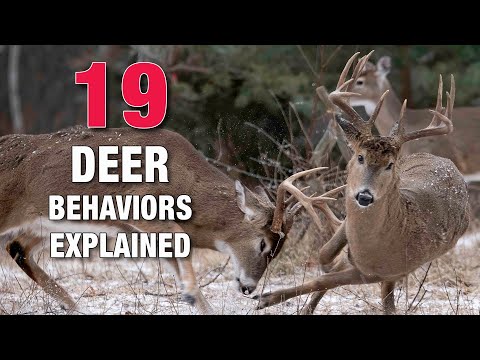
You know that moment when you’re out in the woods and you spot a deer? It’s like nature’s own magic show, right? Well, imagine if you could peek inside that deer’s head and see what makes it tick. Sounds a bit creepy, but stick with me!
Deer heads can tell us a whole lot about wildlife and how they live. Not only do they have those fabulous antlers, but there’s way more going on beneath the surface. Like, seriously!
When we talk about the anatomy of deer heads in wildlife science education, it’s not just for kicks. This stuff helps us understand ecosystems and animal behavior. Pretty cool, huh?
So grab your favorite snack and let’s explore what makes those lovely creatures so fascinating!
Exploring Deer Anatomy: A Comprehensive Guide to Organ Systems in Cervid Biology
When we talk about deer anatomy, it’s all about understanding how these fascinating animals work, you know? There’s a lot going on inside those majestic bodies! So let’s break it down, focusing especially on their organ systems and how they fit into the big picture of cervid biology.
Circulatory System: First off, deer have a pretty standard mammalian circulatory system. They’ve got a four-chambered heart, which is crucial for keeping oxygenated blood separate from deoxygenated blood. This setup makes them efficient runners. Imagine sprinting away from danger with a pump that works like a charm!
Digestive System: Now, here’s where things get interesting! Deer are ruminants, which means they have a unique digestive process. They’ve got four stomach compartments—the rumen, reticulum, omasum, and abomasum. This fancy system allows them to break down tough plant materials like leaves and grasses. After munching their food, they’ll chew it again later (that’s called “cud”). Crazy, right?
Skeletal System: It’s also worth mentioning their bones. Deer have long legs built for speed. Their skeleton has adaptations that allow them to leap or run quickly to escape predators. The knee joints are quite flexible which helps with those high jumps!
- Skull:Their skull structure includes large nasal passages that help with both smell and heat regulation.
- Antlers:Anatomically fascinating too—they’re not just for looks! They grow and shed annually and are made of bone!
Nervous System: Deer rely heavily on their senses to survive. Their brains are wired to process sensory information quickly. For instance, their keen eyesight helps them detect movement even in low light conditions. And don’t underestimate their sense of smell; it plays a massive role in how they interact with other deer and detect dangers.
Reproductive System:This is another important piece of the puzzle! Male deer develop antlers as part of their mating ritual; females can give birth to one or two fawns after a gestation period of about 200 days. The mother will care for her young until they’re ready to fend for themselves—a real labor of love!
Bodies are amazing—and deer are no exception! Each organ system works together in harmony so these animals thrive in the wild. So next time you spot one leaping across your path or munching grass, maybe take a moment to appreciate all the intricate systems working behind the scenes!
The thing is, understanding these systems isn’t just about science—it adds depth to our appreciation for wildlife as a whole.
Anatomy of Deer: A Comprehensive Overview from an Aerial Perspective in Wildlife Biology
Alright, let’s chat about the anatomy of deer, particularly their heads. It’s a super interesting topic, especially if you think about how these animals have adapted to their environments over time. So grab a comfy seat, and let’s break it down!
Deer Heads: The Basics
A deer’s head is like a miniature toolkit for survival. It’s packed with features that help them thrive in the wild. You’ve got the skull, which protects their brain—a critical part for any living creature. Deer also have large eyes on the sides of their heads, giving them a wide field of vision. This helps them spot predators from afar.
Then, there are those big ears! Seriously, they can swivel around to catch sounds from all directions. That’s pretty handy when you’re trying to avoid becoming someone’s dinner.
Antlers: A Unique Feature
Now, let’s talk about antlers! Male deer grow antlers each year as a sign of maturity and health. They’re made of bone and covered in velvet while growing—quite the transformation! Once they mature, bucks will shed these antlers in winter and grow new ones come spring.
Antlers aren’t just for show; they play a role in mating rituals. During the rutting season, males use their antlers to establish dominance and attract females.
Mouth and Teeth
Speaking of feeding habits, check out a deer’s mouth. They have
,
, and
. This combo makes munching on leaves and grasses pretty efficient!
It’s interesting how deer have adapted their teeth based on what they typically eat. They’re browsers more than grazers—meaning they prefer shrubs and trees over open grasslands.
Facial Structure
Next up is the facial structure! The snout is elongated which helps with browsing vegetation at various heights. The shape has evolved to maximize efficiency while feeding.
One cool thing is how their nose is designed for smelling. Deer have an incredible sense of smell—estimated to be thousands of times better than ours! This ability helps them detect predators or locate mates from quite a distance.
Skin and Fur
Let’s not forget about the skin and fur! Deer have thick fur that changes with seasons; it keeps them warm during winter yet light enough for summer heat. Plus, during the fall months, some species develop more vibrant coat colors which can help with camouflage amid changing leaves.
Oh! And this fur isn’t just for looks or warmth—it also plays a role in controlling body temperature through its insulating properties.
Aerial Perspective
Thinking aerially gives us another layer of understanding! From above, you can see how deer move through their habitats—often following trails that minimize exposure to predators or allowing easy access to food sources.
Their body structure supports quick escapes too; long legs provide speed while jumping abilities help navigate through dense underbrush or escape threats.
So when you look at it all together—the skull structure, senses like sight and smell, adaptations like antlers—it paints a vivid picture of why deer are such successful creatures in so many environments across forests and fields alike.
In wildlife biology education specifically related to deer anatomy heads-on study from various perspectives like this can really enhance understanding—not just academically but also practically observing these magnificent animals in action makes it all come alive!
So next time you’re out in nature or even watching wildlife documentaries at home think about all these intricate details that make up our four-legged friends like deer—they’re way more complex than we often give them credit for!
Understanding Deer Anatomy: A Comprehensive Guide to Quartering Toward Behavior in Wildlife Science
Deer anatomy is super interesting, especially when you think about how it affects their behavior in the wild. It’s all about understanding how these animals are built and how their bodies help them survive. So, let’s break it down a bit.
Head Structure
The deer’s head is not just for looking cute. It’s got a lot of functionality packed into it. For example, they have large, expressive eyes that provide them with a wide field of vision. This helps them spot predators from afar, but it also means they can see pretty well in low light. Their ears are like radar dishes; they can swivel around to catch sounds from different directions, which is crucial when they’re trying to figure out if danger is lurking nearby.
Quartering Toward Behavior
Now onto something called quartering toward behavior. This is when deer position themselves in a way that makes them less vulnerable to threats while feeding or resting. It’s not random; it’s strategic! When deer quarter towards something, like bushes or trees, they can nibble on tasty leaves while still keeping an eye out for anything suspicious.
Imagine being at a picnic with your back to the road and facing the trees instead. You’d enjoy your sandwich but still glance over now and then to watch for cars or people, right? That’s kind of what deer do!
Key Anatomy Features
Check out these important features:
- Nostrils: Deer have highly developed nostrils that help them pick up scents from far away. This sense of smell is often more powerful than their eyesight.
- Mouth and Teeth: They’ve got specially adapted teeth for grinding plants. Their bottom jaw moves side to side, helping them chew tough foliage.
- Neck Muscles: A strong neck allows bucks (male deer) to fight during mating season as they use their antlers to assert dominance.
- Paws: Deer hooves are split into two parts which provide balance and support as they navigate through various terrains.
Behavioral Adaptations
Behaviorally speaking, these anatomical features play a significant role in survival strategies:
– The large eyes give deer an advantage during dawn and dusk when they’re most active.
– Their ability to turn quickly at the waist lets them flee from danger more effectively.
– By constantly moving their heads while feeding, they stay aware of their surroundings even as they’re focused on eating.
So picture this: You’re walking in the woods when suddenly you spot a deer delicately munching on some grass. If you watch closely, you’ll probably notice its ears flicking back and forth—like it’s dancing to music only it can hear! It’s listening for sounds while still enjoying its meal.
Understanding these aspects of deer anatomy not only helps wildlife enthusiasts appreciate these beautiful creatures but also aids researchers in studying their behavior in various environments.
Next time you’re out hiking or hunting, take a moment to observe how those long legs carry them gracefully through underbrush or how silently they move through the trees—it’s all connected back to their amazing anatomy!
Walking through a forest and spotting a deer can be such a magical moment, right? Those graceful creatures, with their big eyes and twitchy noses, just kind of steal your heart. But have you ever thought about what’s going on under all that beauty? Yeah, I’m talking about the anatomy of deer heads. It might sound a bit technical, but it’s actually pretty cool when you break it down.
So, let’s picture this: you’re in a wildlife science class, and the instructor pulls out a deer skull. Suddenly, things get real! You can see those impressive antlers up close. Antlers are fascinating because they’re made of bone but they grow from skin-like tissue called velvet. When the velvet dries out and sheds, bam—there’s the solid bone we often associate with them. I remember once being in a similar class; we were all gathered around this skull, trying to guess if it was male or female based on its features. It was like playing detective!
Now, speaking of male and female differences—it’s not just the antlers that set them apart. Male deer typically have larger skulls compared to females because their antler growth contributes to that extra size. Plus, there are other elements at play too! For example, the eye sockets are larger in males than females—perfect for spotting predators from afar.
But anatomy isn’t just about size; it’s also about function. The structure of their jaws has this amazing design for grazing on grasses and leaves—just think about how much chewing goes into that diet! It’s like nature’s way of setting them up for success in their environment.
And let’s not forget those ears! Deer have fantastic hearing abilities because of their ear structure—so they can pick up on even the slightest rustle in the bushes. Imagine being able to hear branches snapping or predators sneaking around!
The beauty in examining something as specific as a deer head is the connection it gives us to nature and ecosystems as a whole. Each part has evolved beautifully for survival—like an intricate puzzle coming together over thousands of years.
Sometimes I think back to that wildlife class—the excitement in everyone’s voices when uncovering how everything works together fascinates me even now. Analyzing animal anatomy isn’t just science; it’s a way to appreciate life itself and understand these creatures better.
So next time you see a deer (or even better—a deer head), remember: there’s so much more going on than meets the eye! Seriously—it’s all connected in one big beautiful web out there in nature!