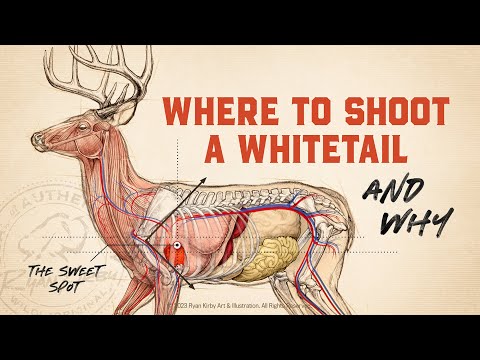
You know that moment when you spot a deer in the wild? It’s like, whoa, there it is—majestic and graceful. But have you ever thought about what makes those legs so cool?
Seriously, if you’ve ever seen one leap effortlessly over a fence, you’re not alone in being totally amazed. Those long legs? They’re not just for show. There’s some real science behind them!
So let’s chat about deer legs—their structure and how they work. I mean, it’s wild when you think about all the stuff going on under those furry coats. Get ready to geek out a bit!
Anatomical and Physiological Insights into Deer Leg Strength for Evasion from Predators
So, let’s chat about deer legs, right? You probably don’t think about them much, but they’re actually pretty fascinating when it comes to how these animals escape predators. When you take a closer look at **deer leg anatomy**, it’s like uncovering a secret weapon in the wild.
First off, deer have incredibly strong legs. Their legs are built for **speed** and agility. Each leg has long bones—like the femur and tibia—which provide leverage and support. This structure allows deer to make those impressive leaps you see when they’re trying to dodge danger.
Muscles play a huge role here too! Deer have large muscle groups in their hind legs that help them sprint away quickly. These muscles are designed for explosive power, which is critical when a predator is closing in.
Now, let’s talk motion for a second. Deer use a special sort of gait called “bounding.” It’s like they’re hopping on both back legs at once while their front legs help steer them through thick forests or open fields. This motion gives them stability and speed—great combo when you’re trying to escape!
And those hooves? Seriously cool stuff there! Deer have hooves that act like natural shock absorbers. They can grip different terrains whether it’s muddy, snowy, or rocky, so they maintain speed while dodging predators.
Think about this: Have you ever seen a deer suddenly change direction? That’s thanks to their **flexible joints**! Their knees bend in such a way that makes turning on a dime possible, allowing for quick escapes from threats. It’s almost like they’ve got built-in dance moves!
Also worth noting is how their sensory abilities tie into all this strength and agility. Deer have excellent hearing and eyesight adapted for detecting movement in their environment, alerting them even before a predator gets close. They combine sight and speed effectively—a true survival tactic!
In the grand scheme of things, each element of **deer leg anatomy** works together seamlessly. Their long bones, powerful muscles, flexible joints, and specialized hooves create this sophisticated system meant to evade danger effectively.
So there you go! Next time you spot a deer bounding gracefully through the woods, remember there’s some serious biological engineering happening just beneath the surface! Nature really knows how to craft an athlete!
Exploring the Scientific Significance of Deer Leg Bones: Uses in Anatomy and Ecology
Deer leg bones are super interesting when you start thinking about their anatomy and the role they play in the ecosystem. Basically, these bones work like the ultimate support system. They’re designed to handle all that running and jumping deer do. Let’s break it down a bit.
When we look at the anatomy of deer legs, we see a few key bones: the femur, tibia, and fibula. These bones come together to create a strong yet flexible structure. The femur, which is the thigh bone, connects to the pelvis and gives deer that power to push off the ground. Can you imagine those long leaps? Pretty amazing!
Now, onto the tibia. This bone runs along the front of the leg and takes a lot of weight when a deer is walking or running. It’s really sturdy but also light enough for speed, which is essential for escaping predators. Then there’s the fibula, which is smaller and sits next to the tibia—kind of like a sidekick that supports but isn’t as stressed out under pressure.
You know what else is cool? The joints in deer legs—like their knees and ankles—allow for flexible movement. These joints are cushioned with cartilage, which acts like a shock absorber when they land after taking those big jumps. Imagine jumping off a picnic table; you’d want something soft under your feet too!
Then there’s also ecology to consider! Deer are an important part of many ecosystems. They graze on plants, influencing what grows in their habitats. Their legs help them reach high branches or sprint away from danger—seriously important stuff in maintaining balance in nature.
And let’s not forget about how deer interact with other species! For example, their movements can help spread seeds through their droppings as they wander around munching on different plants. This movement creates opportunities for new plant growth elsewhere.
Looking at things from another angle, researchers often study these leg bones when they look at animal health or environmental changes over time. Changes in bone structure can indicate shifts in diet or stresses caused by habitat loss or climate change.
To sum it up:
- The anatomy of deer leg bones includes crucial structures like femur, tibia, and fibula.
- The design allows for strength and flexibility—key for survival.
- Joints provide mobility while cushioning against impacts.
- Deer play an important role within ecosystems through grazing habits.
- The study of these bones can reveal information about environmental conditions.
So next time you see a deer hopping through the woods, think about all that hard work going on inside those legs! It’s not just about looking graceful—it’s about survival and balance within nature’s intricate web.
So, let’s chat about deer legs for a second. I mean, when you see a deer bounding through the forest, it’s easy to be mesmerized by how graceful they look, right? But there’s actually some serious science going on underneath all that elegance.
Deer legs are like a marvel of engineering—no joke. They’re built for speed and agility. Picture this: those long bones, especially the femur and tibia, help them sprint away from predators. And the joints—oh man! The knees and hocks allow for those powerful leaps that make them seem like they’re flying over ground. Each movement is pretty much poetry in motion.
But here’s where it gets really cool: their legs also adapt to the environment. In snowy regions, deer might develop thicker fur on their legs and wider hooves to help them navigate tricky terrains. It’s like nature’s little way of giving them snowshoes! Can you imagine? One minute they’re sprinting across open fields; the next, they’re gracefully tiptoeing through deep snow.
I remember a time I was hiking in a national park when I caught sight of this beautiful deer leaping effortlessly over fallen logs and snowdrifts. Just watching it made me think about how their legs aren’t just limbs—they’re tools crafted by evolution itself to thrive in their habitats.
And speaking of tools, their hooves are another fascinating aspect. They have this split structure that gives them stability while running over uneven ground. So instead of tripping or slipping, they can dart away from danger or maneuver around obstacles with ease.
You know what’s funny? Most people never really think about how important these simple-looking limbs are for survival in nature; but without strong legs to get around, that graceful leap would turn into a not-so-graceful stumble! So next time you spot a deer in the wild—or even at your local zoo—take a moment to appreciate those amazing legs doing all the work behind their stunning beauty in nature!