You know that feeling when you forget to charge your phone and then it dies right before an important call? Yeah, that stress. Now, imagine if our planet was feeling that way with its energy sources. Kinda scary, huh?
So here’s the deal: we’re in a pickle. Fossil fuels are like that reliable friend who always bails on you at the last minute. But don’t worry! There’s a whole bunch of other energy sources out there waiting to take center stage.
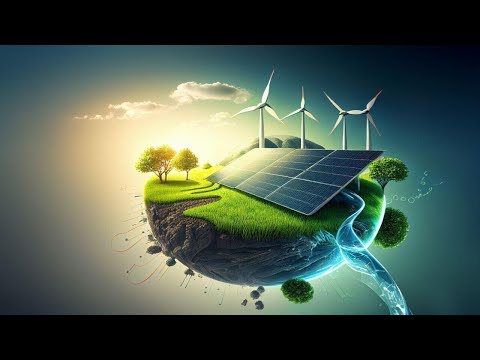
Wind, sun, water—these are the new cool kids on the block when it comes to powering our lives sustainably. Seriously, it’s like they’re just waiting for us to invite them over for a never-ending party of clean energy.
Let’s dive into this colorful world of renewable options and see how they can help us create a happier planet for everyone (and everything) living on it! Sound good?
Exploring Renewable Energy Sources: Key Solutions for a Sustainable Future in Science
Renewable energy is basically about harnessing natural resources that can be replenished over time. It’s like using Mother Nature’s toolkit to power our lives without depleting the Earth. Let’s break down some main sources of renewable energy.
Solar Energy is probably what you think of first. It uses sunlight, kinda like how plants soak up the sun. You’ve seen solar panels on roofs, right? They convert sunlight directly into electricity, and it’s super clean! Imagine a world where every house has these panels—no more pollution from burning fossil fuels!
Then there’s wind energy. Wind turbines are those big fans you see in fields or along coastlines. They capture wind movement and turn it into electricity. Think of it as spinning a pinwheel; the more wind, the faster it spins! And get this: some places are so windy that they produce loads of power just from catching a few breezes.
Another cool source is hydropower. This one involves water—usually from rivers or dams. When water flows, it can turn turbines to generate electricity. It’s like nature’s version of a water slide but for power! Countries with big rivers often rely heavily on this for their energy needs.
There’s also geothermal energy, which uses heat from inside the Earth. You might not notice this in your daily life, but think about hot springs or geysers; they’re tapping into that heat. In places like Iceland, people use geothermal for heating homes and generating electricity.
And we can’t forget about biomass. This involves using organic materials like plant waste or even animal waste to produce energy. It’s kind of recycling at its best! Instead of letting waste rot away and release greenhouse gases, we can burn or convert it into fuel.
All these sources together create a pretty powerful mix for a sustainable future. The thing is, we need them all working hand-in-hand to reduce our reliance on fossil fuels and cut down on carbon emissions.
So picture this: If we collectively invest in these renewable technologies, not only will we protect the environment, but we’ll also create jobs and enhance our economies! That means more innovation, cleaner air to breathe—and who doesn’t want that?
Switching gears to that emotional side for a moment: I remember visiting a small village in another country where they had no electricity at all until solar panels were installed. The looks on people’s faces when they flipped on light switches for the first time—it was pure joy! It really drives home why moving towards renewable energy is so crucial.
When we talk about solutions for a sustainable future in science, renewable energy stands out like a beacon of hope for everyone. It shows us that we can live harmoniously with nature while still enjoying modern comforts—and isn’t that amazing?
Assessing the Most Sustainable Energy Sources for a Greener Future: A Scientific Perspective
Renewable energy sources are becoming more of a big deal as we all realize the importance of keeping our planet in shape. Basically, these are energy sources that can replenish themselves naturally. So, let’s break down some of the most sustainable options out there and what they mean for our greener future.
Solar Energy is one of the most popular renewable sources. It’s all about harnessing the sun’s rays to generate electricity or heat. Solar panels, those shiny things you might see on rooftops, convert sunlight directly into power. What’s awesome is that they can be used in homes, businesses, and even on a larger scale in solar farms. The math is simple: more sun = more energy.
Then we have wind energy. This one’s kind of cool too! Wind turbines capture kinetic energy from wind and turn it into electricity. You know those giant windmills on hills? Yup, that’s them! They’re super efficient in areas where the wind blows consistently. In fact, some countries like Denmark generate a huge chunk of their energy just from wind!
Let’s chat about hydropower. This is another heavyweight champ in the renewable arena. It relies on moving water—like rivers—to generate power. Dams are built to hold back water, which when released spins turbines to create electricity. However, while it produces lots of energy with low emissions, building dams can disrupt local ecosystems and river habitats.
Then there’s geothermal energy. It taps into the heat from within the Earth. This heat can be found in volcanic areas or hot springs and is used to produce electricity or even provide direct heating solutions for buildings! It’s pretty neat because it doesn’t depend on weather conditions like solar or wind.
Lastly, biodiversity plays a role too! Bioenergy comes from organic materials—like plants and waste—that can be converted into fuel or electricity. Imagine using leftover food scraps to power your home! Of course, sourcing these materials sustainably is super important to avoid land-use conflicts or over-farming.
Now, mixing these different types of renewable energies creates a balance that can lead society toward sustainability:
- **Diversity**: Each source has its pros and cons; using a mix helps mitigate risks.
- **Flexibility**: Different locations may suit different types better; so localizing efforts makes sense!
- **Resilience**: A varied approach means we’re not putting all our eggs in one basket.
Overall, assessing sustainable energy sources involves looking at efficiency, environmental impact, cost-effectiveness and how well they integrate with existing systems. As Mary Poppins would say (well kinda!), it’s practically perfect; but remember that while renewables have clear benefits, challenges exist too—just like balancing your schoolwork with fun stuff!
So yeah! The journey towards greener energy isn’t just about picking one over another but creating a harmonious blend of these technologies that works for everyone and keeps our planet happy too!
Exploring the Future of Renewable Energy: Promising Technologies in Science for Sustainable Development
Exploring the future of renewable energy is like taking a peek into a world where we can meet our energy needs without destroying the planet. With climate change knocking at our door, it’s time to embrace some seriously cool technologies that can help us live sustainably.
Solar Energy is definitely one of the front-runners. You’ve probably seen those shiny solar panels on rooftops, right? Well, these bad boys turn sunlight into electricity. And there’s more good news! Innovations are popping up in perovskite solar cells, which could be cheaper and more efficient than traditional silicon panels. Imagine a future where buildings have solar paint that absorbs sunlight!
Then there’s wind energy. Wind turbines have already made a big impact, but new designs are taking things up a notch. Some are even floating in the ocean, harnessing powerful winds far from shore. These floating turbines can generate loads of electricity without cluttering up landscapes or interfering with wildlife on land.
Let’s not forget about geothermal energy. It taps into the Earth’s internal heat for power and heating. There are areas where this is already happening, like Iceland, but scientists are figuring out how to access this heat from deeper underground, opening up opportunities in more places.
And speaking of deep dives, wave and tidal power is another area that holds promise! The ocean is like this giant battery just waiting to be tapped into. Using underwater turbines or buoys that move with waves can capture vast amounts of energy while being subtle enough not to disturb marine life too much.
Then you’ve got bioenergy. This means turning waste materials—like food scraps or agricultural leftovers—into fuel or electricity. It’s like giving trash a second life! Advanced processes like anaerobic digestion let bacteria break down organic matter to produce biogas that can be used for cooking or electricity.
Don’t forget about breakthroughs in energy storage. We have solar and wind power generating energy when it’s sunny or windy but what about when it’s cloudy or calm? That’s where batteries come in! New types of batteries—like solid-state batteries—are being developed to store energy more efficiently and safely than ever before.
So what does all this mean for sustainable development? Well, it means we’re moving toward an energy landscape that’s cleaner and more resilient. If these technologies catch on widely—and they seem to be gaining traction—we might finally start reducing our dependence on fossil fuels.
In short, the future of renewable energy isn’t just bright—it’s downright exciting! All these technologies work together to bring us toward a greener horizon filled with possibilities we might have only dreamed about before. And hey, every step we take counts towards leaving behind a healthier planet for the next generations!
Imagine waking up one day, and your phone is fully charged without being plugged in. Sounds cool, right? Well, that’s kinda where we’re heading with renewable energy. You see, our planet’s future hinges on how well we embrace different renewable energy sources. Not just one or two, but a whole mix of ‘em.
So, let’s take a moment to think about all the options we have: solar power, wind energy, hydroelectric power… there’s a bunch out there! I mean, just think about the last time you stood on a beach feeling that ocean breeze. That windy refreshment could be turning turbines to create clean electricity. Crazy thought! Just feels good knowing nature can help us.
I remember visiting a small town once and noticing how they’d transformed their old factories into solar panel farms. At first, I was skeptical—like how can this work? But when a local explained their energy bills had dropped significantly and they were even selling power back to the grid, my jaw basically hit the floor! It made me realize how doable it is to turn our backs on fossil fuels.
But it’s not just about making things cheaper or cleaner; it’s like being part of something bigger than ourselves. Using diverse sources means spreading our bets across nature’s various gifts instead of relying solely on oil or coal, which are like that annoying friend who always shows up late and brings chaos along.
And then there’s climate change hanging over us like an ominous cloud. The more we invest in renewables, the better equipped we are to tackle this looming threat. Wind farms aren’t just pretty sights on the horizon; they’re warriors in the fight against climate change! It feels empowering to know that each step towards renewables could mean cleaner air for future generations.
So yeah, embracing different renewable energy sources isn’t just smart; it’s necessary for sustainability and ultimately making life better for everyone—not just here but also for those who’ll come after us. Each little effort counts; it’s all part of this beautiful tapestry we’re weaving for a sustainable future.
Let’s keep that momentum going!