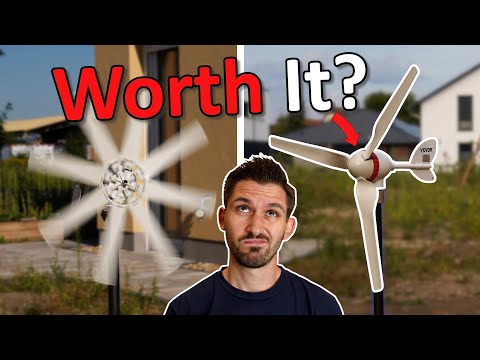
You know that moment when the wind picks up, and you’re just standing there, feeling like a superhero? Like you could totally harness that power and put it to work? Well, hold onto that thought!
Wind turbines might seem like something out of a sci-fi movie, but they’re actually super cool and way more accessible than you think. Seriously, have you ever imagined creating your own mini wind turbine right in your backyard?
I mean, picture this: you’re sipping your morning coffee while your DIY turbine spins away, generating clean energy. Talk about a bragging point at the next barbecue!
And the best part? It’s not as complicated as it sounds. With a little creativity and some basic materials, you can join the green energy movement from your own home. So why not give it a shot? Let’s talk about how to turn that gusty breeze into something awesome!
Building Your Own Wind Turbine at Home: A Scientific Guide to Sustainable Energy
So, you’ve been thinking about building your own wind turbine at home? That’s awesome! Wind energy is not just cool; it’s a way to tap into a natural resource that’s free and, like, totally sustainable. Let’s break this down so you can get started on your own mini wind power project.
What You Need to Know About Wind Energy
Wind energy comes from the movement of air. When the wind blows, it moves the blades of the turbine. This motion is what generates electricity. Pretty neat, huh? You’re essentially turning kinetic energy (from moving air) into mechanical energy (from spinning blades) and then into electrical energy.
Your DIY Wind Turbine: The Basics
- Site Selection: First off, find a good spot for your turbine. You want an area with consistent wind flow—like open fields or rooftops away from tall buildings or trees.
- Choosing Materials: For a simple turbine, you can use PVC pipe for the blades and wood or metal for the frame. Seriously, be creative! Recycled materials work too.
- The Generator: You’ll need a generator to convert mechanical energy into electricity. DC motors are often used because they’re affordable and effective.
- Assembly: Building it isn’t as hard as you might think. Attach the blades to your generator using a hub (you can make one from wood or metal). Then mount everything on a tower that will keep it high enough to catch the wind.
Let’s take a moment here—I remember visiting my grandparent’s farm once, and they had this old windmill that powered their grain mill. Even back then, I was like wow! Nature doing its thing while saving money? It made me think about how we could all use those same principles today!
Tuning It In
You’ll need to connect your generator to some wiring that leads to wherever you want to store or use that electricity. Batteries work great for storing power at home! Also, check any local regulations about setting up turbines; sometimes there are rules regarding height or noise levels.
A Few Tips
- Maintenance: Keep an eye on moving parts. Lubricate as needed and check connections regularly—rust is no friend of yours!
- Sizing Matters: If you’re serious about generating enough electricity for home use, you’ll want a larger setup with more efficient components.
- Create a Backup Plan: Sometimes Mother Nature doesn’t cooperate—so pairing your turbine with solar panels could be beneficial!
The thing is, making your own wind turbine is more than just an eco-friendly project; it teaches us about renewable resources and helps reduce our carbon footprint in practical ways. And who doesn’t love getting their hands dirty while learning something new? So go ahead—embrace this fun challenge and contribute to clean energy right from your backyard!
If you have any more questions or ideas about power generation at home through things like solar panels or even hydropower, just give me a shout!
Determining the Optimal Size of Wind Turbines for Residential Energy Needs
So, let’s chat about wind turbines, shall we? If you’ve ever thought about using one at home to go green and save some cash, you’re probably wondering: “What size do I need?” Well, the size of a wind turbine is super important because it directly affects how much power you can generate. Let’s break it down.
First off, the power output of a wind turbine is closely linked to its diameter. Basically, bigger turbines can capture more wind. This means they can generate more electricity. So if you’re imagining a tiny little thing on your roof, think again. For residential use, most turbines range from 1 kW to 10 kW, depending on how much energy you need.
Now, when determining the best size for your needs, consider these key factors:
- Your Energy Usage: Check your monthly electricity bill. The average household in the U.S. uses about 877 kWh per month. That translates to roughly 29 kWh daily.
- Wind Resources: You’ll want to know the average windspeeds in your area. Turbines need a minimum of around 8-9 mph to really kick into gear.
- Turbine Height: Taller turbines capture stronger winds often found at higher altitudes. A small increase in height can mean a big difference in efficiency!
- Avoiding Obstacles: Make sure there are no tall trees or buildings blocking the wind flow around your turbine; otherwise, its performance will tank.
Let’s say you live in an area with great wind resources—lucky you! A 5 kW turbine should cover most of your energy needs if you’re using under 800 kWh monthly. But if you’re living somewhere calmer—like near the beach with pretty stable but lighter breezes—you might lean towards something larger like a 10 kW model.
Also important? The type of turbine matters. There are horizontal and vertical axis designs. Horizontal ones are more common and generally have better efficiency for residential setups, while vertical ones can be easier to install in tighter spaces.
And then there’s that sweet feeling of being self-sufficient! Picture this: after investing time and money into building and installing your own turbine—just you and nature working together? It feels pretty awesome!
There are rules and regulations too; it varies by location but make sure you check zoning laws or any restrictions before getting started on your project!
In summary, determine your energy needs first! Then think about wind speed and height for maximum efficiency when selecting a turbine size that fits just right into your life without making things complicated or inefficient.
So what do you think? Are you ready to harness those breezy days and nights? The clean energy vibe is strong!
Understanding Permit Requirements for Residential Wind Turbines: A Scientific Perspective
Building a wind turbine at home can be super exciting! But before you get started, it’s really important to understand the permit requirements that come with it. Trust me, navigating through regulations can be a bit tricky, but it’s not impossible.
First off, check your local laws. Different places have different rules. Some areas might need a permit for any type of wind turbine, while others may only require it if the turbine exceeds a certain height or power output. For instance, in some counties, anything over 30 feet might need a special application. Kind of crazy to think about how height changes everything!
Next up is zoning regulations. These are basically local rules about how land can be used. If you live in a neighborhood with strict zoning laws, there’s a chance you might face hurdles. Some places may not allow wind turbines at all—yeah, I know! It’s like putting the brakes on your green energy dreams. So make sure to check if your area has any restrictions on having structures like turbines.
Then there’s the whole building code stuff. This sets standards for safety and construction practices. For example, if your turbine is going to have some heavy-duty components or be in an area prone to strong winds or storms, you’ll want it built sturdy and safe. Local building codes will help guide you on what materials to use and how to construct it properly.
Also worth mentioning is environmental impact assessments. In some cases—especially if you’re near protected wildlife areas—you might need an assessment to figure out how your turbine could affect local wildlife or ecosystems. Like, imagine putting up a turbine right next to a bird sanctuary! Not exactly the best idea.
You should also consider costs involved. Permits and inspections usually come with fees that vary from place to place. Don’t forget about possible costs linked to making changes based on what regulations say! Sometimes permits even require you to submit plans drawn up by professionals.
And don’t underestimate the importance of talking with neighbors! You’d be surprised at how much smoother things go when everyone’s onboard and knows what’s happening next door. Sometimes just having those conversations can ease concerns folks might have about noise or aesthetics.
Lastly, keep an eye out for incentives and grants. Depending on where you live, there might be programs designed to support renewable energy projects like yours! It could ease some financial burdens related to permits too.
So yeah, before you sprint off into this amazing project of building your own wind turbine for clean energy at home—stop and take stock of these permit requirements and regulations along the way! Doing your homework upfront could save you loads of time and headaches down the line.
So, let’s chat a bit about wind turbines, okay? You know, the big, spinning things you see on those breezy hillsides or offshore? They’re kind of amazing. I mean, harnessing wind to create energy? That’s some superhero level stuff!
Now, if you’ve ever thought about getting into the DIY spirit and building your own wind turbine for clean energy at home, it can feel like a big leap. But honestly? It’s a pretty cool idea! There’s something really satisfying about taking a handful of materials and turning them into something that helps save the planet. Plus, think of all that sweet energy savings! Who wouldn’t want their electricity bill to be lower?
Imagine this: one summer evening, I was chilling outside with my friends when the wind picked up just enough to get our hair all messy. You know how it goes—the laughter and playful shoving. And there it was in my mind: why not channel that wind power into something useful? Like creating your own little mini-turbine! I’m telling you; the excitement alone could light up a room.
But here’s the thing—building your own turbine isn’t just about having some fun. It means understanding how wind works and learning a bit about engineering too. You’ll need to figure out things like how tall it should be and what materials to use (like PVC pipes or maybe some old bicycle parts!). And if you make mistakes along the way? No biggie, right? That’s just part of learning.
Of course, you’d want to consider where you live as well. Not every spot has consistent winds; some places are more like breezy whispers instead of gusty howls. And while personal turbines can generate usable power, they might not replace all your energy needs unless you’re really committed.
But hey, there’s an emotional aspect too—like feeling connected to nature. You’re using something as natural as air to fuel your home! Can’t help but feel small moments of joy when watching those blades turn in the breeze.
So yeah, building your own wind turbine can seem daunting at first glance—but think of it more as an adventure than a chore! It opens up so many doors: from being environmentally friendly to simply learning new skills along the way. You might even inspire others around you after they see what you’ve whipped up! Who knew that harnessing the power of wind could lead not only to clean energy but also spark creativity and connection with nature?