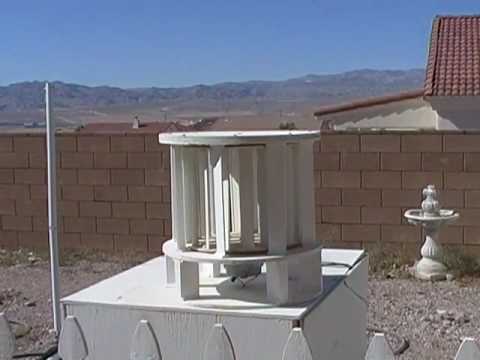
So, picture this: you’re sitting at home, and out of nowhere, a gust of wind knocks over your lawn chair. And you think, “Wow, there’s gotta be a way to harness all that energy instead of just getting blown away!”
Enter the vertical axis wind turbine! Yup, these nifty little machines can turn all that wild wind into electricity. Seriously cool, right?
Imagine being the genius on your block who not only has fresh air blowing through the windows but also powers up your gadgets with their own mini turbine. You could impress neighbors, feel like an eco-warrior, or simply enjoy showing off your DIY talents!
Building one might sound complicated, but it’s totally doable—like crafting a model airplane, but with a bit more wind power magic involved. So grab some materials and let’s get spinning!
Step-by-Step Guide to Building a Vertical Wind Turbine for Home Energy Efficiency
Building a vertical wind turbine for home energy efficiency can be a pretty cool project. Seriously, it’s like taking a piece of nature and turning it into energy right in your backyard. So, let’s break down the process of creating one without getting lost in too many technical details.
First off, you gotta know what a vertical axis wind turbine (VAWT) is. Unlike the more common horizontal ones, VAWTs have their blades arranged vertically. This makes them great for areas with gusty winds or changing wind directions. Plus, they’re usually less noisy than their counterparts.
Materials are key! Here’s a quick list of what you might need:
- PVC pipes or aluminum for the frame
- Wood or metal sheets for the blades
- A motor or generator to convert wind energy into electricity
- Batteries for storing energy
- Wires and connectors
- A sturdy base to mount your turbine
Once you’ve gathered everything, it’s time to get your hands dirty.
Step 1: Build the Frame. Start by cutting those PVC pipes or aluminum pieces to create a cylindrical shape. You want it strong enough to withstand strong winds but light enough to move easily if needed.
Step 2: Craft the Blades. For the blades, use wood or metal sheets and cut them into an aerodynamic shape—think of how airplane wings curve! You can make two or four blades depending on how much power you want.
Step 3: Assemble Everything. Attach the blades securely to the frame’s top part and connect them so they can spin freely around that central axis (the pole). Then fix your motor at the bottom of this setup where it can catch all that energetic fun!
Step 4: Set Up Your Generator. Connect your motor to your generator. As the wind spins those blades, they’ll turn the motor which produces electricity—magic! Well, not really magic; it’s just physics doing its thing.
At this point, you should also think about safety measures. Make sure everything is secure and doesn’t wobble in high winds. You wouldn’t want this lovely contraption flying away on a breezy day!
Now comes storing all that sweet energy. That’s where batteries come in handy! You’ll connect these bad boys to store any excess electricity for when it’s calm outside.
Once you’re all set up outside, find an open space where there aren’t too many obstacles like trees or buildings blocking those precious winds. Trust me; location matters!
Last but not least—keep an eye on maintenance! Just like anything else around your house, ensure that everything is tight and clean every now and then so you can maximize efficiency.
Building a vertical wind turbine might sound big-time complicated at first glance, but really? It boils down to basic construction skills and some knowledge about wind energy. And hey! If my uncle Jerry can figure out how to make one after watching only two videos online? So can you!
Determining the Optimal Size of Wind Turbines for Residential Energy Needs: A Scientific Approach
So, you’re thinking about getting your hands dirty and building your own vertical axis wind turbine at home? That’s really cool! But before you jump in, let’s talk about how to figure out the best size for that turbine based on your energy needs.
First off, it’s important to understand why size matters. The size of the wind turbine influences how much energy it can generate. A larger turbine can catch more wind, which usually means it can produce more electricity. But don’t get carried away; bigger isn’t always better. You have to balance between what you need and what fits in your space.
Now let’s break things down. You’ll want to start by looking at your energy consumption. This is basically how much electricity you use in a day. Take a peek at your utility bill for a month or two. Look for the kilowatt-hours (kWh) used per month. For an average household, this can range from 500 to 1000 kWh monthly—or even more depending on how many gadgets you’ve got running.
Once you’ve got that number, you’ll want to estimate how much of that energy you’d like to cover with your new wind turbine. Maybe you’re aiming for 50%? Or if you’re feeling ambitious, go for 100%!
Next up is understanding wind resources. Not all locations are created equal when it comes to wind speed and consistency. You’ll want to check average wind speeds where you live, which can usually be found online from local weather stations or databases like the National Renewable Energy Laboratory (NREL). For effective generation, look for areas with an average of at least 10 mph.
With those numbers in hand, start thinking about the size of your turbine. A good rule of thumb is that a residential vertical axis wind turbine usually ranges from 1 kW to 10 kW. If you’re aiming for 500 kWh/month and have decent wind speeds, a 3-5 kW model might do the trick.
Also consider the height of your turbine! Wind speeds generally increase with height because ground obstacles—like trees or buildings—can block airflow. Taller turbines not only catch stronger winds but also generate more power overall.
Besides just height and power rating, take into account where you’ll place the turbine because local regulations play a huge role too! Some places have strict zoning rules regarding where turbines can be built—so check what’s allowed before finalizing anything.
And let’s not forget about making sure it’s safe and sound! When designing or building a homemade unit, consider using materials that are sturdy enough to withstand windy conditions without falling apart or becoming a hazard.
To sum things up:
- Calculate Your Energy Needs: Look at past electric bills.
- Assess Your Wind Resources: Gather data on local wind speeds.
- Select Turbine Size: Opt for something between 1-10 kW based on outputs.
- Height Matters: Go taller for better wind.
- Caution & Regulations: Keep safety and laws in mind.
Building a vertical axis wind turbine is not just about slapping some parts together; it’s like crafting an art piece that runs on nature’s breath! So yeah, take some time planning it all out—it’ll pay off when you’re watching those energy savings stack up!
DIY Wind Turbine: A Scientific Guide to Building Your Own Renewable Energy Source at Home
Alright, let’s talk about making your own wind turbine at home. Seriously, building a DIY wind turbine can be super rewarding and a fun way to tap into renewable energy. You might be wondering how this works, so let’s break it down!
First off, what’s a wind turbine? Well, it’s a device that converts the energy from the wind into electrical power. Think of it like catching the breeze and turning it into something useful—like electricity for your house or charging up your gadgets.
Now, if you want to build a **vertical axis wind turbine (VAWT)** at home, you gotta know some basics first. These turbines are cool because they can catch wind from any direction. Plus, they’re usually easier to make for DIY projects compared to horizontal ones.
Here are some key points to consider:
- Materials: You’ll need some stuff like PVC pipes or wood for the frame. A bicycle wheel can also work well for the rotor blades.
- Design: There are various designs out there—some look like giant egg beaters while others resemble an S shape. Pick whichever you vibe with!
- Assembly: Start by creating the base and then attach the rotor blades securely. Balance is crucial; otherwise, your turbine might wobble like a toddler learning to walk.
- Generator: To convert the mechanical energy into electrical energy, you’ll need a small generator or alternator. You might find one from an old bike or purchase one online.
- Safety First: Make sure everything is sturdy and secure because nobody wants their homemade turbine taking flight during high winds!
Before you start cutting and assembling things, though, take a moment to think about where you’re gonna place this bad boy. Ideally, you want it somewhere that gets consistent wind—like on your rooftop or in an open backyard area.
Once you’ve got everything set up and connected properly (don’t forget that wiring!), all that’s left is testing it out! Feeling that rush of air hitting your creation while it spins is seriously satisfying—like watching your little project come alive!
Now, here’s where things get emotional for me: I remember helping my friend build one in his backyard during sophomore year of college. We didn’t know much about turbines back then but just figuring things out together really made us feel like mad scientists! Every time we saw those blades spin in the wind, we cheered like we had just discovered fire! It was a blend of trial and error but mostly pure excitement.
In short, building your own vertical axis wind turbine can be not only educational but also energizing (pun intended!). Plus, when you see that green energy flowing from something you created? That’s just epic! Grab some tools and give it a shot—you might surprise yourself with what you can achieve!
So, building your own vertical axis wind turbine at home? Seriously, it’s such a cool project! I mean, just imagine harnessing wind energy right from your backyard. It’s like having a small piece of renewable energy at your fingertips. Plus, it’s a great way to connect with the environment and maybe even save on electricity bills along the way.
I remember when I first got into DIY projects. I was around ten years old and super curious about everything. One sunny afternoon, my dad and I decided to build a simple model airplane out of cardboard and some scrap wood. It didn’t fly, of course—more like a wobbly flop—but the excitement of creating something on our own was unforgettable. That feeling of turning an idea into something real? Priceless.
Now, with wind turbines, it’s a bit more technical but totally doable! You can research designs online or even adapt some ideas from existing projects you find in DIY communities. The beauty of vertical axis wind turbines is that they’re pretty simple to construct compared to their horizontal counterparts. They catch wind from any direction—no need for fancy pivots or gigantic towers.
When you think about materials, you can use stuff lying around the house—PVC pipes for the frame, some old bicycle parts for the rotor blades, and maybe even an old alternator to generate electricity. Sounds fun, right? And when that turbine starts spinning because of just a gust of wind…? That’s pure magic!
But hey, while it might seem exhilarating and awesome to create this little powerhouse in your yard, managing expectations is key here too. Don’t go thinking you’ll power your entire house overnight! These homemade setups usually produce just enough energy for small gadgets or lights. Still, every little bit adds up!
And yeah, there are challenges involved too! You might run into issues like wobbling or noise if things aren’t balanced well or if you pick the wrong materials. But that’s all part of the learning curve—embracing those little “oops” moments makes it all worthwhile.
At its heart, building your own vertical axis wind turbine is about more than just energy; it connects us with nature in this hands-on way while teaching us valuable lessons about sustainability and creativity. So if you’ve got some time on your hands—and perhaps an afternoon free—why not give it a shot? You might surprise yourself with what you can create!