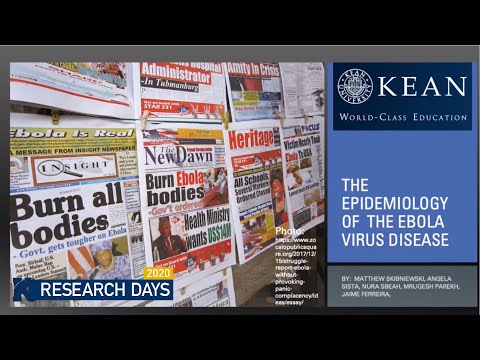
So, picture this: you’re at a party, and someone brings up Ebola. The room goes quiet, right? It’s like, one minute you’re chatting about the latest Netflix series, and the next, it feels like you’re discussing a horror movie. But here’s the scoop — Ebola is real and has some serious twists.
Now, you might think of it as just another scary disease in the news. But there’s so much more going on! Like, did you know that it’s been hanging out in certain parts of Africa for decades? And its effects ripple way beyond those borders. That’s what makes it such an intriguing topic.
I mean, when you dive into Ebola’s history and how it spreads, you’ll be surprised by how interconnected our world really is. It’s not just about virus outbreaks; it’s about global health systems and how we all play a part.
So let’s take a closer look at this whole situation because understanding Ebola can teach us heaps about our health in today’s world! Grab your coffee and let’s chat!
Comprehensive Analysis of Ebola Virus Research: Access the Latest Findings in Our PDF Repository
Alright, let’s chat about the Ebola virus. This virus has been a big topic in health circles ever since it first popped up in the late 1970s. You know, it’s one of those things that can really shake up entire communities and even countries. Understanding how it spreads and its impact on public health is super crucial.
Ebola is a viral hemorrhagic fever, which sounds intense, right? Symptoms can start off kinda flu-like but quickly escalate into severe issues, like bleeding and organ failure. It’s spread through direct contact with bodily fluids, which means if you’re caring for someone who’s infected or handling their fluids, your risk goes way up.
So, here’s a quick rundown of some key points to keep in mind:
- Transmission: The virus can be transmitted through things like sweat, saliva, vomit—basically any bodily fluid from an infected person.
- Reservoir Animal: Fruit bats are considered the likely reservoir for Ebola. They don’t get sick from it but can spread it to other animals and humans.
- Outbreaks: Most outbreaks have happened in Africa. For example, the 2014-2016 outbreak in West Africa was one of the largest and had devastating effects on health systems.
- Current Research: Scientists are working hard to understand how the virus behaves and mutates over time. Understanding this helps them develop better vaccines and treatments.
Let’s take a moment to remember what happened during that 2014 outbreak. I mean, people were going through extreme measures just to protect themselves and their loved ones. Hospitals were overwhelmed; communities banded together while also being scared about getting sick themselves. It was a tough time.
Now onto research—what’s the latest buzz? There’s lots happening! Researchers are looking into new vaccine candidates that could prevent outbreaks before they start. Plus, there are treatments being developed that could help those who do get infected recover better than before.
The global implications? Huge! Ebola doesn’t respect borders—it spreads quickly if not contained properly. Countries have to work together with international organizations to monitor outbreaks closely and respond fast because any delay could lead to chaos.
In terms of prevention, education is key! People need to know safe practices when caring for sick individuals or when handling potential carriers of the virus.
So yeah, understanding Ebola isn’t just about lab studies; it’s about people—how they react under pressure and what we learn from each outbreak helps prepare us for future ones!
Epidemiology of Ebola: Understanding Transmission Dynamics and Public Health Implications
Ebola is one of those viruses that really grabs your attention, right? It’s incredibly serious and can spread quickly, which is why we need to understand it better. So, what’s the deal with how Ebola moves from person to person? Let’s break it down.
First off, Ebola is transmitted primarily through direct contact with bodily fluids from an infected person. This means blood, saliva, sweat—anything like that. If you’ve ever seen a movie where someone gets infected and then they’re quarantined, that’s pretty much what happens in real life! You don’t just catch it by breathing the same air as someone else.
But it doesn’t stop there. Healthcare workers are at high risk since they often handle patients directly. There was this one outbreak in 2014 that really hit hard in West Africa. Many health workers got sick because not enough protective gear was available at the time. Imagine being in a hospital and worrying about catching something deadly just by doing your job!
Another important aspect is the role of bats as natural carriers. These little creatures can host the virus without getting sick themselves. They’re kind of like tiny virus taxis! When humans come into contact with bats—think hunting or eating them—there’s a chance they could pick up Ebola. This connection highlights just how interconnected our ecosystems are.
- The transmission cycle includes animals to humans (zoonotic transmission) and then human-to-human interaction.
- Poor healthcare infrastructure can exacerbate outbreaks significantly. Places without enough medical resources struggle to contain the virus effectively.
- Sociocultural practices, like funeral rites that involve touching dead bodies, can further spread Ebola during outbreaks.
- The incubation period, which can range from 2 to 21 days, makes it tricky since symptoms don’t show immediately.
- Community education and awareness are crucial for prevention efforts. People need to understand how Ebola spreads!
You see, each outbreak teaches us something new about transmission dynamics and public health responses. After an outbreak ends, countries analyze what worked and what didn’t so they can be better prepared next time—kind of like taking notes after a tough exam!
The global implications? Well, if we don’t manage outbreaks effectively in one part of the world, things could potentially spiral out of control internationally because of travel and trade connections. Just think about how quickly a flight can take someone across continents!
Coping strategies for Ebola include strengthening health systems globally and investing more in research for vaccines and treatments. Remember when the first vaccines were rolled out during that recent outbreak? It was a huge deal because it showed how far we’ve come in our fight against viruses.
In summary, understanding the epidemiology of Ebola isn’t just about numbers or studies; it’s about real lives affected by this virus every day. It reminds us that while science has made incredible advances, we still have work to do to protect communities everywhere from serious threats like Ebola.
Comprehensive Guide to the Prevention and Control of Ebola Virus Disease: Strategies and Protocols (PDF)
Sure, let’s talk about Ebola virus disease, or EVD for short. It’s a serious illness that can spread pretty quickly in certain conditions. Basically, it all comes down to understanding how to prevent and control it, which is absolutely crucial for keeping ourselves and others safe.
First things first: what’s Ebola? It’s caused by the Ebola virus and usually comes from animals like bats or monkeys. When humans get infected, it can lead to severe symptoms, like fever, vomiting, and in some cases, bleeding. Scary stuff for sure!
Now, if we’re looking at prevention strategies, they really center on understanding transmission. Here are some key points:
- Personal Protective Equipment (PPE): This is super important for healthcare workers. They need gloves, masks, gowns—basically everything to protect against exposure.
- Hygiene Practices: Handwashing with soap and water or using alcohol-based sanitizers can reduce the risk significantly. You know how washing your hands often is just a good habit? Well, it’s critical here too!
- Safe Burial Practices: This one might sound odd but handling bodies of those who died from Ebola needs special care. Cultural practices around burials can lead to further spread if not managed properly.
- Avoiding Contact: Staying away from wild animals or places where outbreaks occur goes a long way in preventing new infections—seriously!
Just reflecting on this reminds me of an article I read about how communities came together during an outbreak in West Africa back in 2014. Families started working with health officials to spread awareness about the virus’s symptoms and risks. It was incredible seeing people rallying together so proactively!
Now let’s talk about control measures after an outbreak happens:
- Contact Tracing: This involves tracking down anyone who may have come into contact with someone infected so they can monitor their health closely.
- Quarantine: If someone shows symptoms or has been exposed, isolating them until we know for sure helps prevent spreading the virus.
- Crisis Communication: Keeping everyone informed is vital! Misinformation can lead to panic; accurate information helps maintain calm and encourages people to seek help if needed.
The thing is—with all these strategies combined—communities become more resilient against this type of outbreak. Countries that invest in their healthcare systems and education about diseases tend to fare better overall.
Remember that controlling EVD isn’t just a local issue; it’s global! The interconnectedness we have today means that monitoring outbreaks across borders matters now more than ever.
In summary, when it comes to Ebola virus disease prevention and control: PPE, hygiene practices, safety when handling bodies, contact tracing, quarantine, and effective communication. Each plays its part—like pieces of a puzzle coming together.
So that’s the gist! Being informed gives you tools to stay safe while promoting community health awareness when it counts most!
Ebola, man. Just the mention of it can send chills down your spine, right? It’s one of those diseases that not only shakes the communities it affects but also sends ripples around the globe. I mean, think about the last time you heard about an outbreak. It was all over the news—people in hazmat suits, quarantines, and a lot of uncertainty.
So what is it that makes Ebola so noteworthy? Well, for starters, let’s talk about how it spreads. This virus is sneaky; it’s transmitted through direct contact with bodily fluids from infected individuals—like blood or saliva—and let me tell you, when someone gets sick, it’s pretty intense. The symptoms hit hard: fever, vomiting, and often severe bleeding. Imagine being in a place where this virus just breaks out, and suddenly everything you know about daily life flips upside down.
Here’s where things get really interesting—or maybe a bit heartbreaking. You see communities in West Africa facing not just a health crisis but also social chaos. Families are torn apart because loved ones are quarantined or worse. Healthcare systems can get overwhelmed really quickly; resources become scarce, and fear spreads faster than the virus itself.
But here’s where we go global—Ebola doesn’t just affect one region; it has implications everywhere! The 2014 outbreak wasn’t contained easily; flights were canceled, borders were shut down… people panicked. Countries had to mobilize resources to help those affected but also to protect their own populations. It raises questions about preparedness and response on an international level. What do we do if something similar happens again? Are we ready?
The emotional weight of this situation is heavy too. I remember reading stories about healthcare workers who went into those hot zones—many of them risking their lives to help others while facing stigma back home for potentially carrying the virus with them! Seriously powerful stuff when you think about people putting everything on the line for humanity.
But here’s an uplifting thought: there have been major advancements since then! Vaccines have been developed; countries are learning how to better respond to such outbreaks both locally and globally. It’s like humanity’s way of saying “we’ve got your back.” Still though, vulnerability lingers because infectious diseases don’t care about borders or politics.
So yeah, while Ebola may seem like something distant or just a past concern now—its epidemiology paints a broader picture that reflects our interconnected world and shows how vital global health cooperation really is. Life is fragile; health security connects us all in ways we often don’t notice until it’s right there in our faces!