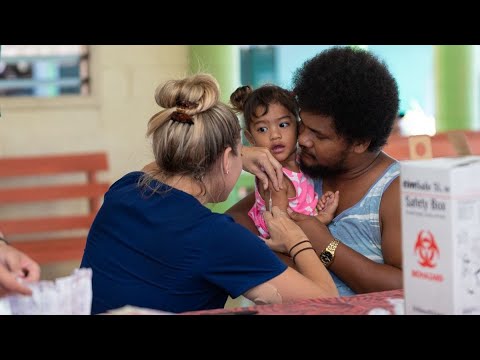
So, here’s a funny story for you. A couple of years ago, I was at this huge festival—think food trucks, live music, and tons of people everywhere. I heard someone joking about “catching measles” from the bumper cars. Honestly, it made me laugh but also got me thinking—wait, what’s up with measles these days?
You might think it’s a thing of the past. But here’s the kicker: measles isn’t just some old-school virus that disappeared when we got vaccines. Nope! It’s still around and causing all sorts of chaos in some parts of the world.
Like, seriously—a highly contagious virus that can lead to serious health problems? That sounds like something out of a horror movie, right? Well, it affects millions globally each year. So let’s chat about why measles matters more than ever and how its journey impacts global health. You with me?
Analyzing Measles Mortality Rates Across Different Age Groups: Implications for Public Health
Measles is one of those diseases that can really hit hard, especially for certain age groups. When we talk about measuring how many people die from measles, or the **measles mortality rates**, we need to look closely at various age brackets. The reason is simple: different ages have different vulnerabilities.
- Infants: Babies under one year old are super vulnerable. Their immune systems are still developing, and if they catch measles, they can end up with severe complications like pneumonia or encephalitis, which is swelling of the brain. Studies show that in some regions, around 30% of infants who get measles might not survive.
- Children aged 1 to 5: Toddlers and preschoolers also face high risks. Although they usually have some immunity from their mother’s antibodies, it’s not always enough. This group often sees higher mortality rates compared to older kids. The stats can be shocking: somewhere between 1-3% of kids in this age range may die after contracting the disease.
- Younger Adults: Believe it or not, adults can suffer too! Young adults who weren’t vaccinated as children can also get measles and face serious risks. However, the mortality rate typically drops compared to younger children. But hospitalization rates? They climb as complications arise more frequently.
- The Elderly: While measles isn’t super common among older folks because most were vaccinated as kids, there are still cases. Their immune systems aren’t as strong either! If an older adult does catch it—while mortality isn’t extremely high—it’s certainly something to be wary about.
The implications for public health are huge! First off, targeting vaccination efforts at infants and young children is key since that’s where most fatalities occur. Countries with low vaccination coverage often see spikes in measles cases leading to tragic outcomes.
Think about a recent outbreak example: In 2019-2020, some areas saw a resurgence due to misinformation about vaccines. Kids who missed their shots faced severe consequences when outbreaks hit their communities.
Another important point is **herd immunity**. When a high percentage of people are vaccinated within a community, it helps protect those who can’t get vaccinated—like very young babies or people with certain health conditions.
Also, health education plays a massive role too! Scrambling for shots during outbreaks isn’t enough; ongoing awareness about the importance of routine vaccinations can make a big difference over time.
So basically? Keeping an eye on these mortality rates across age groups gives us valuable insight into where our focus should be in public health campaigns. By addressing vulnerabilities based on age and ensuring higher vaccination rates among at-risk groups, we might just save lives!
Understanding the Etiology of Measles: Identifying the Measles Virus in Virology
The measles virus is, in a nutshell, a sneaky little critter. It belongs to the paramyxoviridae family and is quite contagious. If you’re not vaccinated and come into contact with someone who’s infected, your chances of catching it are super high—like 90%! So, let’s break down what this virus is all about.
Etiology of Measles
The term “etiology” is just a fancy way of asking, “What causes this thing?” In the case of measles, it’s specifically caused by the measles virus. This virus can hang out in your nose and throat secretions. When an infected person coughs or sneezes, tiny droplets filled with the virus can be released into the air. You breathe them in or get them on your hands and then touch your face—and bam! You might be on your way to developing measles.
How It Infects
Once inside, the virus finds its happy place in respiratory epithelial cells. Those are just a posh way of saying cells lining your lungs and throat. The virus latches onto these cells using specific proteins that act like keys unlocking a door. After entering these cells, it hijacks their machinery to make copies of itself. As it reproduces, it spreads throughout your body and can even affect other organs.
Symptoms to Watch Out For
A week or two after infection, if you’re unlucky enough to catch it, symptoms start popping up. Initially, they might feel like any old cold: you could be sneezing, running a fever, or feeling super tired. But then comes something distinctive—those red spots that start appearing! They usually show up about 14 days after exposure and begin at the head before making their way downwards.
The Importance of Vaccination
So why is all this important? Well, beyond being incredibly contagious and potentially serious—or even deadly—measles can lead to complications like pneumonia or encephalitis (which is basically swelling in the brain). Vaccination does wonders here! The MMR vaccine—measles, mumps, rubella—has drastically reduced the number of measles cases worldwide.
- Epidemiology: Measles outbreaks happen when vaccination rates drop below what’s needed for herd immunity.
- Global Health Implications: Regions with low vaccination coverage often see higher rates of infection.
- The Role of Public Health: Public health initiatives work hard to promote vaccines and educate communities.
In many parts of the world today, we still see outbreaks due to misinformation around vaccines or people simply not having access to them. One emotional story involved families crying as they watched loved ones suffer from complications that could have been avoided through vaccination—you just can’t help but feel for them.
In summary: understanding how the measles virus works helps us appreciate how critical vaccination is for public health globally. As long as we keep pushing for high immunization rates and educate ourselves about this disease’s etiology, we can work towards keeping our communities safe from such contagious illnesses.
Exploring the Three Types of Measles: A Scientific Overview and Classification
Measles is one of those diseases that you might think we don’t see much anymore, but it still pops up in certain areas. The thing is, there are actually three types of measles, and understanding them can really help us grasp how they spread and affect people globally. So, let’s break this down.
First up, we have **Classical Measles**, which is what most people picture when they hear “measles.” This type is caused by the measles virus itself from the Morbillivirus family. You know those classic red spots all over your body? Yeah, that’s classic measles for you! It’s pretty contagious – like a sneeze that spreads through the air and can infect others even if you’re not around anymore.
Then there’s **Atypical Measles**, which is somewhat sneaky. This version can happen in people who’ve been vaccinated with an older type of vaccine. It’s not the usual rash and fever situation; it actually manifests with more serious symptoms like pneumonia or other complications. This kinda makes folks think they’re completely safe because they’ve been vaccinated, but it can still hit hard in unexpected ways.
Now we get to something a bit different called **Subacute Sclerosing Panencephalitis (SSPE)**. Okay, brace yourself; this one isn’t as common but is super serious. SSPE occurs years after someone has had measles. It’s like the virus hides out in your body for a while before saying “Hey! I’m back!” This leads to severe neurological issues and usually results in death within a few years after diagnosis. Just goes to show how unpredictable these viruses can be!
So, why does all this matter? Well, understanding these types helps health professionals determine how best to control outbreaks. For example:
- Vaccination programs: Knowing that classical measles is highly contagious reinforces vaccination efforts.
- Public Awareness: Being informed about atypical measles helps parents recognize symptoms quicker.
- Long-term Monitoring: Keeping an eye on those who had measles for possible SSPE symptoms could save lives.
You see? Each type of measles carries unique challenges for public health systems worldwide. The fight against measles doesn’t just stop at vaccination campaigns; it requires ongoing education and vigilance.
So next time you hear about an outbreak or a new vaccination campaign, remember there’s a whole lot more going on beneath the surface. Understanding these three types of measles isn’t just fascinating—it’s crucial for global health initiatives everywhere!
You know, when I think about measles, it kinda takes me back to my childhood. I remember the first time I heard a friend mention they had measles. It was this big deal at school—everyone was super worried about catching it. Like, back then, we all thought of it as just a kids’ thing. But honestly, measles isn’t just a childhood illness; it’s a serious global health issue that deserves more attention than we usually give it.
Measles is an incredibly contagious virus. If someone has it and sneezes or coughs, you can catch it just by being in the same room! It’s way more infectious than COVID-19 or the flu—crazy, right? That’s why outbreaks can happen so quickly and spread like wildfire.
But here’s the kicker—this disease is largely preventable! Vaccination is super effective at stopping measles from spreading. The MMR vaccine (that’s for measles, mumps, and rubella) can basically keep you safe and help create herd immunity in communities. Still, some areas around the globe have low vaccination rates. And this leads to outbreaks popping up again. It’s wild how something so preventable can still cause severe complications like pneumonia or encephalitis in those infected.
The global implications of measles are huge. With travel being so common these days, an outbreak in one country can easily ripple across borders. Public health organizations continue stressing vaccination to avoid these scenarios because nobody wants to go backward to a time where diseases like measles run rampant again!
What hurts my heart is thinking about young children who are too small to get vaccinated but become victims when others aren’t vaccinated themselves. When I read stories of kids suffering from complications or even dying from something that could’ve been prevented—that’s real tough to swallow.
So yeah, while we often think of measles as just something from the past or an afterthought in today’s world of vaccines and medical advancements, it’s clear that it still holds a significant place in public health discussions. We have the tools to combat it—it’s all about using them wisely and ensuring everyone has access to vaccines. The world would be a much safer place if we did!