You know that moment when you decide to throw a dinner party? You’re excited, right? You start imagining all the delicious food and great conversations. But then comes the big question: how many people should I invite? Too few, and it feels empty. Too many, and you’re scrambling for chairs!
That’s kind of like figuring out sample sizes for research. Seriously! It’s all about finding that sweet spot between not enough data and drowning in too much.
If you get it wrong, your results can be… well, let’s just say “off.” Trust me, no one wants to spend months studying something just to find out their sample was too small to paint a real picture. So let’s dig into this whole sample size thing together!
Understanding the 10 Times Rule for Sample Size in Scientific Research: A Guide to Effective Data Collection
When diving into scientific research, one crucial element you’ll face is figuring out how many samples you need to collect. This is where the 10 Times Rule comes in handy. Think of it as a simple guideline for making sure your findings are reliable and meaningful. So, what does this rule mean exactly? Well, let’s break it down.
First off, the 10 Times Rule suggests that for every variable you’re studying, you should aim to have at least 10 observations or samples. This helps ensure that your analysis has enough data to generate valid conclusions. Imagine you’re trying to understand how different fertilizers affect plant growth. If you’re testing three types of fertilizers, then you’d want at least 30 plants (10 per fertilizer) to get a clearer picture of which one works best.
Now, why is this number so important? Well, when your sample size is small, there’s a higher chance that random chance will skew your results. You don’t want your findings to be just a luck thing! So, having a decent number helps smooth out those irregularities.
But there’s more! The beauty of the 10 Times Rule is in its flexibility. It’s not just about getting numbers; it’s about balancing them with what you can realistically handle in terms of time and resources. For instance:
- If you’re on a tight budget or timeline, maybe aim for 7 or 8 samples per variable initially and see how that works out.
- If you’re studying something complex or variable—that might impact results—you may need even more than 10!
You see? It’s all about context and adapting to the situation.
Let’s also chat about what happens if you ignore this rule—or misjudge your sample size altogether. Say you’ve got only two observations for each type of fertilizer—yikes! The data could lead you astray: maybe one plant didn’t thrive because it was hit by a rogue squirrel instead of due to the fertilizer itself. Suddenly, your conclusions could be wildly inaccurate.
Another cool thing about knowing your sample size: it can help with planning future studies too! If researchers keep valid track records showing solid outcomes from their sample sizes based on this guideline, others can learn from it and build their work on that foundation.
So here’s the gist: The 10 Times Rule isn’t just some random number plucked from thin air; it’s grounded in practical experience and science. Whether you’re conducting a simple survey or experimenting with complex variables, keeping this rule in mind will lead you toward solid data collection practices—and ultimately more trustworthy results.
And remember—research is all about learning! Even if things don’t pan out as expected at first glance, refining your approach gives way for better discoveries down the road. Keep asking questions and collecting data wisely; it’s key in any scientific endeavor!
Understanding the Golden Rule of Sample Size in Scientific Research
When you think about conducting research, one of the most crucial decisions you’ll face is how many participants or samples to include. This is all about sample size, and getting it right can mean the difference between solid results and total confusion. So, let’s break it down!
First up, what’s the golden rule? Well, it’s pretty simple: a larger sample size generally leads to more reliable results. Sounds straightforward enough, but there are some nuances to grasp here.
You see, when we study a small group of people or things, our findings might not really reflect what’s true for a larger population. It’s like trying to guess your favorite ice cream flavor by only tasting one scoop from a single tub—what if it’s vanilla and you actually love mint chocolate chip?
Now, here are some key points about sample sizes that can help clarify why they matter:
- Variability: If your sample is too small, it might not include enough diversity to represent the bigger picture. Imagine studying heights in your neighborhood but only measuring five kids—you’re likely missing out on all sorts of different heights!
- Statistical Power: Larger sample sizes increase the likelihood that you’ll detect a true effect if there is one. Basically, you want to be able to say with confidence that your findings aren’t just random noise.
- Error Margin: Smaller samples have bigger margins for error. Lets say you’re trying to estimate an average score—if you’ve only got data from three tests, who knows if that’s accurate? But with 100 tests, your average gets way more trustworthy.
- Generalizability: The more representative your sample is of the broader population, the more you can generalize your findings. This means your research can really make an impact!
Of course, while bigger is often better when it comes to sample size, it’s not just about going huge for no reason. More participants also mean more resources: time, money, effort—all that good stuff! You’ve got to balance practical considerations with statistical need.
So how do researchers figure out what their magic number should be? They often conduct a power analysis before starting their study. It sounds fancy but basically helps determine the smallest sample size needed so they can get reliable results based on their expected effect size.
Let’s say you’re researching how much caffeine affects attention spans in college students. If early studies suggest caffeine has a moderate effect (you know how jittery some folks get!), a power analysis helps you estimate how many students you’ll need in your experiment so you’re confident about those conclusions.
Oh! And remember that not all fields require massive samples! Some areas like qualitative research may focus on fewer subjects but still provide rich insights through in-depth analysis.
So yeah, understanding sample size isn’t just academic mumbo jumbo—it directly affects how we interpret data and apply it in real life! When done right, good sampling leads us toward meaningful discoveries and knowledge that’s actually helpful out there in the world.
The Impact of Sample Size on Research Outcomes in Scientific Studies
Sure thing! Let’s dive into the nitty-gritty of how sample size affects research outcomes.
Sample Size Matters. When researchers conduct studies, they usually can’t test every single person or thing they’re interested in. So, they choose a smaller group, or a sample. The size of this group can totally change the results. A larger sample size generally gives more reliable results. Why? Because it better represents the whole population.
Now, let’s get technical for a sec: Statistical Power. This is a fancy term that refers to the likelihood that a study will detect an effect when there is one. Basically, if your sample is too small, you might miss important findings just because you didn’t have enough data to see them clearly.
Think about it like this: Imagine you’re trying to figure out if people prefer chocolate or vanilla ice cream. If you only ask three friends, their answers might not reflect what everyone thinks. But if you ask a hundred people from different backgrounds and places? You’ve probably got a way clearer picture.
Another point to consider: Error Rates. With smaller samples, you’re likely to get more variability in your results—meaning they’re less consistent and could lead to higher chances of both Type I errors (saying something works when it doesn’t) and Type II errors (missing something that actually works). In simple terms, smaller samples can mess with your ability to make solid conclusions.
Also, let’s touch on Generalizability. This just means how well the results can apply to the bigger population. A small sample that’s not diverse won’t give you accurate insights about everyone else out there. For instance, if all your participants are college students in one city, good luck applying those findings nationwide!
Now here’s an emotional side note: I remember reading about a health study that focused on a specific medication but used only fifty participants—mostly older adults from affluent neighborhoods. Turns out the drug worked really well for them! But when tested on a larger scale across different age groups and socioeconomic backgrounds? The effectiveness dropped significantly because it simply wasn’t as effective for others who were not like those original fifty.
So yeah, having an appropriate sample size is basically setting up your research for success—or failure! It gives you better chances of getting reliable results that hold up under scrutiny.
In summary:
- Larger Sample Sizes: Generally provide more accurate results.
- Statistical Power: Bigger samples increase chances of spotting real effects.
- Error Rates: Smaller samples can lead to misleading conclusions.
- Generalizability: Diverse samples help apply findings broadly.
That’s the scoop! Keep these points in mind next time you’re sifting through research—you’ll see just how crucial sample size is in the big picture!
You know, when you’re digging into research, one of the trickiest yet super crucial parts is determining the sample size. It’s like trying to find that sweet spot—you want enough people involved to get solid results, but not so many that it becomes overwhelming or unmanageable.
I remember back in school, we had this big project, and everyone was excited to collect data. We thought more participants would mean better outcomes. We rushed in and surveyed like a hundred people without any real thought about whether we’d actually get meaningful insights from it. Spoiler alert: half of our data was all over the place! It taught me a big lesson about quality over quantity.
So what’s the deal with sample size anyway? Basically, it’s all about balance. If you select too few participants, your findings could be skewed or just not representative of the larger group you’re studying. Imagine polling just your friends about a new movie; their opinions probably won’t reflect the wider audience’s thoughts at all.
On the flip side, if you gather way too many responses—let’s say thousands—it might feel like you’re swimming in data without knowing how to make sense of it all. Like trying to read a book that has too many characters but no plot! You end up wasting time and resources.
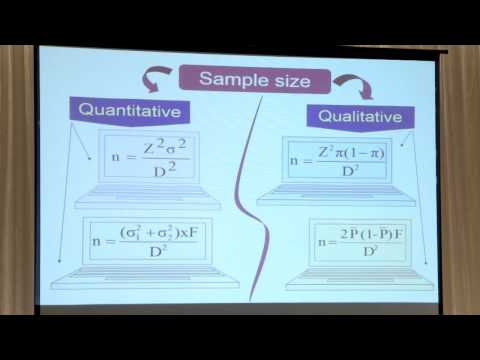
The magic number for sample size often depends on what you’re researching and how precise you want your results to be. Statisticians have these nifty formulas for calculating it based on things like expected variability in your data and how confident you wanna feel about your conclusions.
And let’s not forget practical considerations. Budget constraints and time limits can really impact how much data you can handle while still ensuring it’s effective research. So it’s always good to keep an eye on those aspects too.
It’s kinda wild how something as simple as determining who gets included in your study can shape everything from conclusions drawn to policy changes down the line. Every decision counts! So next time you’re looking at research design or planning out a survey, remember: think quality over quantity and always aim for that perfect balance!