You know, the other day, I was sitting in my living room, trying to charge my phone. I reached for the charger and thought, “Why are we still messing around with these cables?” It’s wild how we’re constantly surrounded by energy but still need to plug things in.
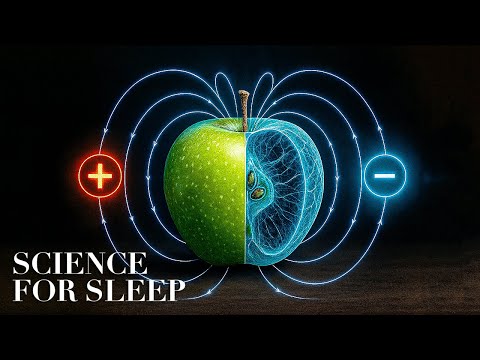
But here’s the kicker: there’s this thing called electromagnetic fields. They’re not just some sci-fi mumbo jumbo; they’re all around us! Seriously, from your microwave to that flickering lightbulb. These invisible forces have some serious potential we just can’t ignore.
Imagine using that energy to power your gadgets without ever plugging them in. Sounds dreamy, right? Well, that’s what we’re gonna unpack here—how harnessing electromagnetic field energy could change our lives and the environment for the better. So pull up a chair!
Unlocking the Potential of Electromagnetic Energy: A Comprehensive Guide to Scientific Applications and Innovations
So, you’ve probably heard about electromagnetic energy, right? It’s a big deal in the world of science and technology. Basically, it’s all around us and it comes from different sources, like the sun and even our own gadgets. Let’s break it down and see how we’re using this fascinating energy in real life.
What is Electromagnetic Energy?
Well, to put it simply, electromagnetic energy refers to waves of electric and magnetic fields that travel through space. These waves include a variety of phenomena like light, radio waves, microwaves, and X-rays. Each type has its own unique characteristics. For instance, radio waves are great for communication because they can carry information over long distances without needing much power.
Everyday Uses
You might not notice it daily, but we harness electromagnetic energy in so many ways. Here are some significant applications:
- Communication: Think about your cellphone or Wi-Fi. They rely on electromagnetic waves to transmit data over airwaves.
- Medical Imaging: Ever heard of MRI machines? They utilize strong magnetic fields and radio waves to create images of our insides—pretty cool!
- Solar Power: Solar panels capture sunlight (which is a type of electromagnetic radiation) and convert it into electricity. This is one way we’re tapping into renewable energy.
The Science Behind It
So how does this all work? When electrons move through materials, they create electric fields. If those electrons accelerate or change direction, they generate magnetic fields too. Together—they form an electromagnetic wave! Think of throwing a stone in a pond: the ripples you see are similar to how these waves travel through space.
Now here’s something super interesting: the speed of light, which is basically the fastest thing out there at about 299,792 kilometers per second! That’s how quickly these electromagnetic waves can move; they don’t mess around!
Innovations on the Horizon
Researchers are constantly finding new ways to utilize this energy more effectively. For example:
- Energizing Devices Wirelessly: You know those charging pads for your phone? That’s basically using electromagnetic fields! Scientists are working on making this technology more widespread—imagine never having to plug in again!
- Molecular Manipulation: Some scientists are experimenting with manipulating molecules using specific frequencies of electromagnetic radiation for better drug delivery systems.
- Sustainable Energy Solutions: Think about capturing more solar energy without bulky panels—a lot is happening in terms of improving efficiency.
Anecdote Time!
I once had a buddy who insisted on fixing his old radio using only household items because he didn’t want to buy new parts. He was super excited when he figured out he could use an empty cereal box as an antenna! It reminded me how even basic concepts like electromagnetism can inspire creativity and innovation—sometimes the simplest ideas have the biggest impact!
In summary, electromagnetism isn’t just a fancy term for science nerds; it’s genuinely woven into our everyday lives and innovations that shape our future! So next time you’re using your phone or turning on a light bulb, remember those invisible waves have quite the story behind them!
Understanding the Three-Finger Rule in Electromagnetism: A Key Concept in Physics
Alright, let’s talk about the Three-Finger Rule in electromagnetism. This rule is all about figuring out the direction of magnetic fields, electric currents, and forces acting on charged particles. It’s like a little trick that helps you visualize what’s going on in the world of electromagnetic fields. Pretty neat, huh?
So, you know how our hands can be pretty handy? Literally! The Three-Finger Rule uses your right hand to show the relationship between these three important things: the magnetic field, the current, and the force. Here’s how it works:
First, when you extend your thumb, it points in the direction of the current. Just imagine you’re pushing something with your thumb—it’s all about that direction!
Second, your index finger represents the direction of the magnetic field. Picture it as a compass needle pointing north. So when you point that way with your first finger, you’re showing where that magnetic field is.
Finally, your middle finger sticks out at a right angle to both your thumb and index finger. This one shows the direction of force acting on a positive charge. Think about it like giving someone a high-five while keeping everything perpendicular.
Now picture this: You’re in physics class, and there’s this huge electromagnet just sitting there. It’s pretty cool to watch it lift metal objects using its magnetic field strength. If you were to use the Three-Finger Rule while observing this magnet, you’d see how currents flowing through wires create those magnetic fields that allow the magnet to do its thing.
Let me break down some key points:
- The current, which is basically electric flow, is shown by your thumb.
- Your index finger shows where that magnetic field is pointing.
- The force experienced by a charge is represented by your middle finger.
It’s super useful for understanding motors and generators too! Ever played around with toys powered by batteries? Those little motors work thanks to these electromagnetic principles! When current flows through them, they create rotational motion due to these forces acting within magnetic fields.
But here’s something interesting: if you’re dealing with negative charges instead of positive ones, you just flip things around. It’s like turning around for a better view—just switch directions!
In summary, grasping this Three-Finger Rule opens up another window into understanding electromagnetic principles. And who doesn’t want an extra tool for their science toolbox? It’s one of those magical moments in physics where something simple helps explain something really complex! So next time you’re tinkering with anything electric or just curious about how magnets work, remember this nifty trick—it really does help connect all those dots!
Exploring the Heart’s Magnetic Field: A Comparative Analysis with Brain Electromagnetism in Science
So, let’s chat about something pretty cool: the heart’s magnetic field and how it stacks up against the brain’s electromagnetism. You might not think about your heart being all that electric, but it’s like a little powerhouse. It generates a magnetic field that’s surprisingly strong compared to the brain.
The heart creates this magnetic field because it is constantly pumping blood, right? Every heartbeat sends electrical signals through the heart muscle, causing it to contract and push blood out. This electrical activity generates a magnetic field that can actually be measured outside of your body! In fact, this field extends several feet beyond your body, which is wild when you think about it.
Now, on the flip side, we’ve got the brain. The brain is all about those electrical impulses too—it’s firing off signals constantly so you can think, feel, and move. The electromagnetic activity in your brain is produced by neurons communicating with each other through these electrical signals. It’s more intricate than a web of tiny wires sparking back and forth!
- Strength of Fields: The heart’s magnetic field can be more than 100 times stronger than that of the brain. It’s like comparing a small campfire to a roaring bonfire!
- Measurement: We use tools like electrocardiograms (ECGs) for the heart and electroencephalograms (EEGs) for the brain to capture their electromagnetic activities.
- Interconnectivity:<!–b>The heart and brain are deeply connected—stress or emotions can even influence your heart rate. Ever felt your heart race when you’re excited or anxious?
A little story here: I once watched a documentary where they showed someone meditating and how it affected both their heart rate and brain waves simultaneously. It was fascinating seeing those two systems work together harmoniously. They’re not just separate entities; they communicate in ways we are still trying to fully understand!
An interesting aspect is how some researchers believe that by tapping into this knowledge about electromagnetic fields from both organs, we could unlock new wellness practices or therapies for anxiety and stress-related issues. Imagine using your heartbeat’s rhythm as some kind of biofeedback tool—it’s like having an inner compass guiding you through emotional ups and downs!
I mean, it’s pretty clear that both fields represent essential parts of our biology—and maybe even aspects of who we are as individuals! There’s so much potential in exploring how these energies interact with everything around us.
The takeaway? Both the heart and brain have their own electric personalities! And together they create an electromagnetic dance that plays a crucial role in our health and emotions. Pretty amazing stuff if you ask me!
Imagine standing in a wide-open field, the sun shining down, and feeling that warm breeze against your skin. You’re alive, tuned into nature. Now, think about all that energy swirling around you. That’s kind of what electromagnetic fields (EMF) are like. But instead of just feeling the warmth of the sun, we’re diving into something that’s all around us—yet pretty much invisible to our eyes.
So, here’s the thing: electromagnetic fields are everywhere. They come from natural sources like the Earth itself and then there are those man-made ones—think cell phones, microwaves, and all those gadgets we can’t live without! It’s wild to consider that these waves carry energy through space, connecting everything in a way you wouldn’t imagine.
Let’s take a moment to appreciate what this means for us. A while back, I was sitting at a café with a friend who was super into renewable energy—always buzzing about solar panels and wind turbines. But he caught me off-guard when he started talking about EMF energy. I mean, I thought I had heard it all! He explained how we could harness this seemingly endless source of energy for things like charging our devices or even powering homes down the line.
It got me thinking: if we could tap into this fundamental force of nature more efficiently—wow! We’d be looking at a future where clean energy isn’t just an idea but reality. But there’s also some controversy around EMF exposure and health concerns that make this topic complicated. You know how sometimes you hear mixed things about something? That sense of uncertainty is totally part of it.
I guess what strikes me most is how interconnected everything really is—the technology we create and the natural world we rely on go hand-in-hand. The possibilities for harnessing EMF are kinda thrilling but also come with responsibilities. We have to ask ourselves: How do we use this power wisely? Like any great tool, it’s not just about getting what you want; it’s also considering what will happen afterwards.
In the end, it feels like every day is an adventure in exploring these energies swirling around us—wondering how they shape our lives and future possibilities for clean energy solutions! So next time you’re out enjoying nature or scrolling through your phone, remember there’s some pretty cool science happening behind the scenes every single moment!