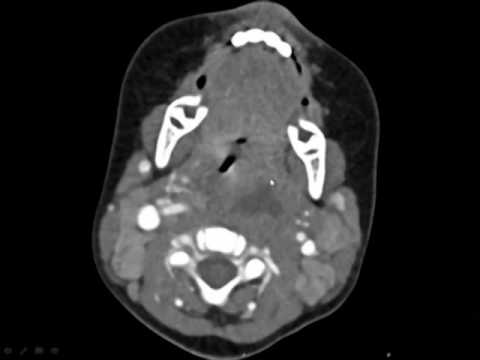
Have you ever heard someone say, “I feel like there’s a bowling ball stuck in my throat”? Yeah, it sounds kind of funny, but sometimes it’s not just a joke.
Enter the retropharyngeal abscess. It’s one of those things that can turn a silly sore throat into something more serious really fast. Imagine being unable to swallow because there’s this painful pressure back there. Ouch.
So, you might be wondering, how do we figure out what’s going on in that crazy maze of tissues? That’s where imaging comes into play. With all the medical tech we have nowadays, it’s like having a superpower to look inside the body without any surgery!
In this chatsy piece, we’re gonna explore some recent advances in radiological imaging that help doctors spot these pesky abscesses before they become a big problem. It’s pretty wild how far we’ve come! Ready to take a peek?
Comprehensive Review of Retropharyngeal Abscess in Pediatric Patients: Clinical Insights and Management Strategies
Well, let’s jump into the topic of **retropharyngeal abscesses** in kids. So, imagine this: you’re at home with your little one who suddenly has a really sore throat, fever, and is looking a bit off. You’re worried it could be something serious like an infection in their throat—like a retropharyngeal abscess.
A **retropharyngeal abscess** is essentially a collection of pus that forms in the tissue behind the throat. It can be super scary because it can interfere with breathing and swallowing. And yeah, kids are more susceptible to this due to anatomy and age factors.
Clinical Insights
When we talk about symptoms, there’s a few key things to keep an eye out for:
- Difficulty swallowing or pain when swallowing (dysphagia)
- Neck stiffness or swelling
- Fever that just won’t quit
- Drooling or inability to handle secretions
- A change in voice (like sounding muffled)
If your child shows any of these symptoms, it’s essential to get them checked out. Doctors usually start with a physical examination followed by imaging tests.
Now here comes the cool part—**imaging techniques** have made a big difference! Advances in radiological imaging, like CT scans or MRIs, help doctors see exactly what’s going on without needing to do an invasive procedure right away.
Management Strategies
Once diagnosed, treatment often involves:
- Antibiotics are first-line treatment because they fight off the infection.
- If the abscess is really big or causing major issues like trouble breathing, surgery might be needed to drain it.
- Corticosteroids might also be used to reduce swelling.
One thing that’s interesting is how fast kids bounce back after treatment. I remember my cousin had one of these infections when he was little. He got treated and was back playing with his LEGO sets just days later! That’s how resilient they can be.
In terms of follow-up care, keeping an eye on recovery is really important too. Sometimes symptoms can linger even after treatment starts; you want to make sure everything continues healing as it should.
So yeah, dealing with a retropharyngeal abscess isn’t something any parent wants to think about—but knowing what you’re up against helps take some of that fear away!
Optimizing Unasyn Dosing for Effective Management of Retropharyngeal Abscess: A Comprehensive Review
Alright, let’s break down the nitty-gritty of optimizing Unasyn dosing to tackle a pesky condition like a retropharyngeal abscess. Sounds intense, right? But don’t worry, we’ll keep it real and straightforward.
A retropharyngeal abscess is basically a collection of pus that forms in the back of your throat. It can cause serious problems if not managed quickly. Symptoms often include fever, neck pain, and difficulty swallowing. Now, how does Unasyn fit into all this? Unasyn is a combination of two antibiotics: ampicillin and sulbactam. It’s like a tag team effort against bacteria.
The real question is: how do you find the right dose to fight off that infection effectively? Well, optimizing Unasyn dosage isn’t just about throwing some drugs at the problem. It’s more about understanding factors like:
- Patient’s weight: Dosing often depends on how much you weigh. Heavier folks might need more.
- The severity of the abscess: If it’s pretty bad—think big and angry—you might need higher doses.
- Kidney function: Your kidneys play a huge role in processing medications. If they’re not working well, less medication might be needed.
Your doctor will look at all these factors to come up with a treatment plan tailored just for you. And guess what? They might even adjust it if things aren’t getting better quickly enough!
Radiological imaging has made leaps lately too! With advanced techniques like CT scans or MRIs, doctors can pinpoint where the abscess is hiding and how big it is. That means they can decide on the best course of action faster than ever before.
If an abscess is found early, sometimes it can be treated with antibiotics alone (like our buddy Unasyn). But if it’s already causing trouble—blockages or breathing issues—they may need to drain it surgically. Yikes! That said, effective imaging helps catch these problems before they escalate.
A recent study pointed out that combining good imaging with proper antibiotic dosing leads to better outcomes. So yeah, that’s super important!
In summary: optimizing Unasyn dosing involves understanding patient specifics and leveraging advanced imaging techniques for effective management of retropharyngeal abscesses. It’s all about teamwork—doctors gathering info from tests and then using their knowledge to help you heal properly!
And remember—always consult with your healthcare provider when dealing with these situations because they’ll know exactly what’s best for you!
Understanding Infant Retropharyngeal Abscess: Clinical Insights and Management Strategies in Pediatric Medicine
So, let’s talk about infant retropharyngeal abscesses. If you’re wondering what that is, let me break it down for you. Basically, a retropharyngeal abscess is a pocket of pus that forms in the back of the throat. It can happen when infections spread to the lymph nodes in that area. Sounds serious, huh? Well, it definitely can be!
This condition usually pops up in young kids, especially those under five. It’s often related to bacterial infections which can start from things like a cold or even a bad ear infection. Can you imagine how painful and scary that must feel for them? Just think about how hard it is to swallow when you have a sore throat!
When doctors think a child might have this abscess, there are some common signs they look for:
- Painful swallowing or difficulty swallowing—like they just can’t get the food down.
- A fever that just won’t go away.
- A stiff neck—which looks pretty alarming but it’s usually just because they’re trying to avoid pain.
- A change in voice; sometimes kids will sound all raspy or muffled.
If your little one starts showing these symptoms, it’s super important to get them checked out by a doctor right away. The thing is, this abscess can lead to more serious issues like breathing troubles if not treated quickly.
Now comes the part where imaging comes into play. Doctors often use advanced technologies like CT scans or ultrasounds to see what’s going on inside there. These imaging techniques help them pinpoint the exact location of the abscess and assess its size. Imagine trying to find your way through a dark maze—and then suddenly someone turns on a light! That’s basically what these scans do for doctors—they illuminate the situation.
Treatment generally involves antibiotics to tackle that nasty infection first. However, if the abscess is big or if antibiotics aren’t doing their thing quickly enough, surgery might be necessary to drain it out. Just picture needing an emergency cleanup because things got messy—you want to fix it before more problems come along!
Kids recover remarkably well with proper treatment! Most will get back on track quite quickly after surgery or antibiotics kick in. But always keep an eye out for any recurring symptoms after treatment—it’s crucial for preventing future problems.
To summarize:
- Retropharyngeal abscesses are mostly seen in young children due to infections.
- If untreated, they can lead to serious complications—like breathing issues!
- Advanced imaging techniques, such as CT scans and ultrasounds, are essential for diagnosis and management.
- Treatment typically involves antibiotics and possibly surgery if needed.
The critical takeaway? If you notice those signs in your child—don’t wait around! Getting prompt medical attention could make all the difference!
Alright, let’s chat about retropharyngeal abscesses and how the whole radiological imaging thing has changed the game. First things first—trying to imagine a bunch of pus trapped in your neck doesn’t exactly sound like a walk in the park, right? But that’s what a retropharyngeal abscess is. It’s this nasty collection of infection that can be super serious if you ignore it.
So, here’s where it gets interesting. Back in the day, doctors relied on physical exams and their gut feelings to figure out what was wrong. You’d be in pain, maybe having trouble breathing or swallowing, and they had to take their best shot based on what they could see and hear. Feels pretty stressful for both you and the doctor, doesn’t it?
But now, thanks to advances in imaging techniques like CT scans and MRIs, doctors can peek inside your body without even touching you! It’s like going from black-and-white TV to 4K ultra HD overnight. These fancy machines let them visualize what’s happening behind your throat much clearer than ever before.
I remember hearing about this one kid who was constantly getting sick—sore throat after sore throat—until finally someone got smart with imaging technology. They saw this massive abscess lurking back there that everyone else had missed! Suddenly, he went from being just another kid with a “bad throat” to getting the treatment he needed right away. You could almost feel that collective sigh of relief when they realized what was really going on.
With these imaging advancements, not only are we catching these abscesses earlier, but we’re also able to determine if surgery is needed and how bad it actually is. It gives everyone involved—doctors, patients, families—a clearer picture (pun intended) of what they’re dealing with.
But here’s the kicker: while technology has come so far and saved countless lives by making diagnoses faster and more accurate, it still boils down to real human skills—like those doctors spending time listening to symptoms or feeling for lumps—that make a difference too.
So yeah, while we’ve made leaps in radiological imaging for conditions like retropharyngeal abscesses over the years, the human touch remains irreplaceable. And that mix? Well, that’s where some real magic happens!