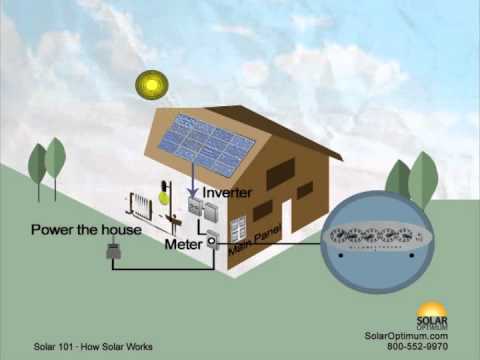
Hey, did you know that the sun is like this massive nuclear reactor just hanging out in the sky? Seriously! It’s dishing out energy every second and we’re just…well, lounging around while it’s doing all the hard work.
Remember that summer day with friends at the beach? You couldn’t help but feel that warm sun on your skin. Well, imagine capturing that sunshine and turning it into power for your home. Cool, right?
Solar PV arrays—those fancy panels you see on rooftops or fields—are basically solar energy’s biggest fans. They take sunlight and convert it into electricity. Magic? Nah, just science at work!
And trust me, using solar energy isn’t just smart; it’s like giving a high-five to Mother Earth. So hang tight! We’re about to explore how harnessing this bright star can help us clean up our act and keep our planet happy.
Harnessing Solar Energy: Innovative Scientific Approaches and Technologies for Sustainable Power Solutions
So, let’s chat about solar energy. Yeah, that bright stuff coming from the sun! It’s one of our best shots at clean energy. There’s a lot happening in this space, from cool technologies to innovative ways we use it. You follow me?
First off, let’s talk about photovoltaic (PV) arrays. These are basically the panels you see on rooftops or in big solar farms. They work by converting sunlight directly into electricity. It’s all thanks to something called the photoelectric effect, which sounds a bit fancy but just means that light can knock electrons loose in certain materials.
Now, here’s where it gets even more interesting. There are new types of materials being developed for these panels. For instance, researchers are looking into perovskites, which are cheaper and can be made flexible! Imagine sticking solar cells on your backpack or even your shirt. Pretty neat, huh?
But wait! There’s more than just PV arrays. Have you heard about concentrated solar power (CSP)? It uses mirrors to focus sunlight onto a small area, heating up a fluid which then makes steam to drive a turbine. This method can store energy for later use too and is super helpful when the sun isn’t shining.
Then there’s also solar thermal technology. This is different from PV because it captures heat instead of converting light into electricity directly. Think about how your car gets hot when parked under the sun; that heat can be used to warm up water or even generate power.
Of course, all these amazing techs need some smart integration into our existing infrastructure. That’s why researchers work on creating better energy storage systems like batteries or even pump hydro storage—where excess energy is used to pump water uphill and then released later to generate electricity again.
Oh! And let’s not forget the role of smart grids. These nifty systems help balance supply and demand, making sure the electricity generated from solar is used efficiently without waste.
Lastly, though challenges exist—like energy efficiency and cost—tackling climate change goes hand-in-hand with harnessing this sunny resource effectively. From policy support to community projects using solar power for everything from cooking to lighting homes in rural areas—a lot of good stuff is happening out there!
In summary:
- Photovoltaic (PV) arrays: Convert sunlight to electricity.
- Perovskites: New materials for flexible solar cells.
- Concentrated Solar Power (CSP): Uses mirrors for heating and electricity generation.
- Solar thermal technology: Captures heat instead of light.
- Smart grids: Improve efficiency by balancing supply and demand.
So yeah, harnessing solar energy isn’t just about putting up some panels—it’s a whole world of innovation aimed at creating a sustainable future!
Understanding the 20% Rule for Solar Panels: Insights from Solar Science and Efficiency Standards
So, let’s get into this whole 20% rule for solar panels. You might’ve heard it tossed around when people talk about solar energy and efficiency. It’s kinda like the standard way to measure how well solar panels convert sunlight into usable electricity. Let’s break it down, shall we?
First off, what does the 20% rule even mean? Simply put, it means that most solar panels out there can convert about 20% of the sunlight that hits them into electricity. Now, I know 20% might not sound like a lot at first glance, but think of it this way: if you had a big ol’ sponge (the solar panel) and you’re trying to soak up water (sunlight), getting 20% of that water isn’t too shabby!
Now, you might be wondering why this percentage is considered the benchmark. Well, it’s all about the materials used inside those panels. Most residential solar panels are made with silicon cells, which have reached this sweet spot of efficiency over time thanks to advancements in technology and manufacturing processes.
Here’s something cool: higher efficiency means more power generation from the same amount of space. So if your neighbor has panels that are 15% efficient and you have ones at 20%, you’re getting more juice without taking up extra roof space. That’s pretty neat!
But wait! The story doesn’t just end with efficiency ratings. The angle at which your solar panels are installed plays a big role too! If they’re flat or not tilted correctly towards the sun, they won’t capture as much sunlight, even if they’re highly efficient panels. That’s why positioning them right can often be just as important as how efficient they are.
Now here’s an emotional moment for you: Imagine finally deciding to go green with your energy and installing those shiny new solar panels on your roof after saving up for years. You wake up on a bright sunny day full of hope—only to find out that because of some shade from a nearby tree or improper angle, your fancy new setup isn’t working at its best capacity! Bummer, right? It’s crucial to consider all these factors if you’re thinking about going solar.
To sum it up:
- The 20% rule indicates most solar panels convert about 20% of sunlight into electricity.
- This percentage is based on materials used in the cells.
- Higher efficiency means more power generation from less space.
- The installation angle also affects output—position matters!
So when you’re looking into going solar or chatting with friends about it, keep the 20% rule in mind! It really reflects what current technology can achieve but remember there’s more than just numbers at play—aspects like installation and location make all the difference in harnessing that sweet sunshine for clean energy!
Exploring Optimal Methods for Harnessing Solar Energy: A Scientific Perspective
So, let’s talk about solar energy—specifically how we can tap into it in the best way possible. Basically, solar energy comes from the sun, and it’s an incredibly abundant resource. Just think about it: every hour, the sun sends more energy to Earth than we use in a whole year! Cool, right?
Now, one of the most common methods to harness this golden power is using solar photovoltaic (PV) arrays. These are like big panels that turn sunlight into usable electricity. When you place these panels where they can soak up lots of sun—like rooftops or open fields—you start generating clean energy. But here’s the thing: not all setups are created equal.
One big factor to consider is the orientation and tilt of the panels. If you’re not careful with this, you could miss out on some serious energy production. Ideally, you want your solar arrays facing south (in the Northern Hemisphere) at an angle that matches your latitude. That way, they get maximum exposure to sunlight throughout the year.
Then there’s tracking systems, which are kind of like fancy mounts that follow the sun as it moves across the sky. These systems can increase energy output by up to 25% compared to fixed mounts! Just imagine your solar panels getting smarter and following that big ball of fire—you’d be generating power like a pro!
Now onto something really neat: solar concentrators. These use mirrors or lenses to focus sunlight onto a small area, which can then heat a fluid and produce steam for electricity generation. It’s like having a magnifying glass but way cooler since it’s harnessing energy instead of burning ants!
Also important are batteries. You might think they’re just for gadgets, but in solar setups, they store excess power generated during bright days for use when it’s dark or cloudy. It’s like having a snack stash for when you’re feeling peckish later on.
Finally, let’s not forget about materials used in PV cells. Silicon is standard because it’s pretty efficient at converting sunlight into electricity. But scientists are always on the lookout for new materials—like perovskite—that might be cheaper or perform better. It’s constantly evolving!
In summary, optimizing solar energy harnessing involves careful planning with panel placement and tilt, using tracking systems for increased efficiency, considering heat generation through concentrators, incorporating batteries for storage solutions, and staying updated with innovative materials in PV technology.
So next time you see those shiny solar panels glinting in the sunlight, remember all that goes into making them work efficiently! Isn’t science just fascinating?
So, you know those sunny days when everything just feels brighter? Well, it turns out the sun can do more than just lift your mood; it can actually power our lives! Solar PV arrays are like little miracle workers that capture sunlight and turn it into energy we can use. It’s kind of mind-blowing when you think about it.
I remember a summer road trip with friends, driving through these vast fields of solar panels glimmering under the sun. It was stunning, really. We stopped to take a few selfies, and while goofing around, I started to think about all that energy just sitting there waiting to be harnessed. From powering homes to fueling electric cars, this renewable energy source is changing the game.
But let’s break it down a bit. Solar PV arrays are made up of solar panels that contain photovoltaic cells. These cells work by catching sunlight and converting it into electricity using something called the photovoltaic effect—fancy words for just saying they take light and make power! You might wonder why this matters so much. Well, traditional energy sources often rely on fossil fuels, which aren’t exactly friendly to our planet. They contribute to air pollution and climate change, two massive issues we’re facing today.
Using solar power means we’re leaning towards cleaner energy. We’re talking about reducing greenhouse gases while creating jobs in manufacturing and installation too—talk about a win-win! I mean, wouldn’t it be nice if every time you looked up at the sky you thought about how that golden ball of fire was helping us live a bit greener?
Sure, there are challenges—like costs and energy storage—but technology is getting better all the time! Plus, many places offer incentives for installing solar arrays at home or in businesses, making it more accessible than ever.
In the end, transitioning to solar energy isn’t just about saving some bucks on your electricity bill; it’s also an opportunity to be part of something bigger—a movement toward sustainability and protecting our planet for future generations. So next time you’re soaking up the sun or driving past those glistening panels in a field, maybe take a moment to appreciate just how powerful that sunlight truly is!