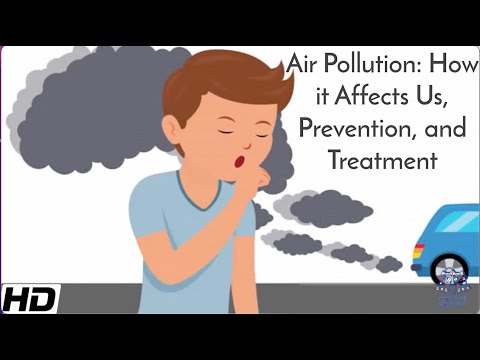
You know that moment when you step outside, take a deep breath, and immediately feel like you just inhaled a cloud of burnt toast? Yeah, air pollution can be pretty gnarly. It’s like that invisible villain in every superhero movie—creeping in when you least expect it.
But here’s the thing: it’s not all doom and gloom. There are some seriously smart folks out there working on ways to clean up our air. You can almost picture scientists in lab coats battling pollution with their beakers and gadgets, right?
So let’s chat about what we can do. Like, what cool tricks are being cooked up to tackle this problem? We’re in for a ride through some wild scientific innovations that could help us breathe easier. Sounds good? Let’s get into it!
10 Effective Strategies for Reducing Air Pollution: Insights from Environmental Science
So, let’s chat about air pollution, yeah? It’s one of those quiet killers we often forget about until we feel it in our lungs. And honestly, reducing it is more crucial than ever. Here are some effective strategies from environmental science that can really make a difference.
1. Transitioning to Clean Energy Sources
One major way to cut down on air pollution is by shifting away from fossil fuels. Sounds simple, right? But this means using more solar, wind, and hydroelectric power instead. These energy sources don’t produce harmful emissions that contribute to smog and health issues.
2. Promoting Public Transportation
Imagine if more folks took the bus or train instead of driving everywhere! Public transportation can significantly slash the number of cars on the road. Cities are investing in cleaner buses and subways too, which helps reduce emissions even further.
3. Encouraging Electric Vehicles
Electric vehicles (EVs) are becoming a game-changer for reducing air pollution. They don’t spew out exhaust like traditional cars do! Plus, as the electric grid becomes greener, driving EVs will keep getting better for the environment.
4. Increasing Green Spaces
Ever noticed how parks can make a city feel fresher? Trees absorb CO2 and release oxygen, helping filter out pollutants from the air . Plus, they cool their surroundings down, which can help combat that dreaded urban heat island effect.
5. Advocating for Sustainable Farming Practices
Agriculture contributes to air pollution through methane and ammonia emissions. Embracing sustainable practices like crop rotation and organic farming can lower these gases while also keeping our food systems healthy.
6. Enhancing Building Efficiency
Buildings are big-time energy consumers! Making them more efficient reduces the amount of energy needed for heating and cooling—less demand means fewer emissions overall. Think double-glazed windows and good insulation—small things that stack up!
7. Supporting Regulations on Emissions
Good ol’ regulations are important here! Governments can set limits on how much pollution industries can emit into the air. This pushes companies to find cleaner ways to operate or innovate new technologies that reduce their footprint.
8. Raising Awareness through Education
Education is key! When people know about air quality issues—like how indoor smoking or burning garbage affects health—they’re more likely to change their habits or support policies aimed at reducing pollution.
9. Implementing Recycling Programs
Recycling isn’t just about keeping trash out of landfills—it also saves energy! Less energy used means fewer emissions during production processes since recycling materials usually requires less power than making new stuff from scratch.
10. Monitoring Air Quality
Knowing when and where air quality dips is essential! Through monitoring systems in cities, we can provide alerts during high pollution days so folks can take extra precautions—like staying indoors if necessary or avoiding strenuous activities outside.
So there you have it! Ten strategies that weave together environmental science with practical solutions we could all get behind! By tackling air pollution from multiple angles—cleaner energy sources to better public transport—we have a fighting chance at breathing easier in no time flat.
5 Effective Strategies for Mitigating Air Pollution: Insights from Environmental Science
Air pollution is one of those things that creeps up on us, like that annoying friend who never leaves the party. Seriously, it’s a huge issue for our health and the environment. So, let’s chat about some solid strategies from environmental science to tackle this problem.
1. Transition to Renewable Energy
Switching from fossil fuels to renewable sources like solar and wind energy is super crucial. Fossil fuels release tons of harmful gases into the air when burned, contributing to pollution. Imagine replacing that smoky car exhaust with clean breezes from wind turbines or sunshine hitting solar panels! These alternatives do a better job at giving us cleaner air while still keeping our lights on.
2. Improve Public Transportation
When more people use public transport instead of driving, emissions drop significantly. Think about it: fewer cars on the road means less exhaust and cleaner air for everyone! Cities can invest in better bus systems, trains, and bike lanes to encourage this shift. Plus, it’s a great way to reduce traffic jams—not just good for the lungs but also a win for sanity!
3. Enhance Energy Efficiency
Using energy more efficiently means we can do more with less—awesome, right? By upgrading buildings with better insulation or using energy-efficient appliances, we cut down on the amount of energy needed. This results in fewer emissions from power plants. If you’ve ever tried upgrading your home with LED bulbs over incandescent ones—yep, that’s what I mean!
4. Promote Green Spaces
Plants are nature’s little air-purifiers. Trees and greenery help absorb carbon dioxide and filter pollutants from the air. Cities should create parks or plant trees along streets; they not only beautify neighborhoods but also improve air quality! It’s like giving Mother Nature a high-five.
5. Implement Strict Regulations
Governments have a big role here—setting strict limits on pollutants can really push industries towards cleaner practices. For instance, regulating how much smoke factories can emit helps keep the air cleaner for everyone living nearby! It might sound tough for businesses at first, but it encourages innovation in green technology.
So yeah, these strategies are pretty intertwined—a bit like a web you know? Each one supports the others in reducing pollution levels effectively! The journey towards cleaner air isn’t going to happen overnight; however, every small step counts and kicks serious butt against pollution.
Effective Strategies for Mitigating Air Pollution: A Scientific Perspective
Air pollution is like that annoying friend who shows up uninvited and just doesn’t leave. You know? It creeps into our lives, affecting health, the environment, and even climate. Let’s break down some effective strategies to tackle this issue from a scientific perspective.
First off, reducing emissions from vehicles is a huge priority. Cars, trucks, and buses pump out loads of pollutants. Think about all those times you got stuck in traffic; that’s a lot of exhaust hanging around! Switching to electric vehicles or improving public transportation can really cut down on that nasty air.
Then there’s industrial emissions. Factories are notorious for belching out smoke and toxins. Using cleaner technologies like scrubbers or filters can help catch those harmful particles before they hit the atmosphere. Remember the last time you saw a factory with soot-blackened walls? That’s pollution in action! Imagine if they switched to cleaner processes instead.
Another key strategy involves renewable energy sources. Solar panels and wind turbines don’t just reduce greenhouse gases; they also keep our air fresher. It’s like swapping your greasy burger for a crisp salad—you feel better afterward! Plus, harnessing these energies means we rely less on fossil fuels which are big air polluters.
Let’s not forget about legislation and policies. Governments play a huge role here. The Clean Air Act in the U.S., for example, has been crucial in reducing pollutants since it was enacted. Sometimes it takes rules to motivate industries to clean up their act!
Also, engaging communities with education and awareness campaigns can empower people to take action. Sharing information about air quality can inspire individuals to change their habits—like using less plastic or carpooling more often. Picture this: a neighborhood coming together for cleaner air events—it creates camaraderie while making a difference!
And you know what? Planting trees works wonders too! They act like natural air filters and absorb carbon dioxide while releasing oxygen—basically nature’s own way of cleaning up our mess.
Finally, let’s touch on monitoring air quality. High-tech sensors allow us to gather data on pollution levels in real-time. With this info at hand, we can identify pollution hotspots quickly and address them effectively. It’s like having an early warning system so we know when things get rough out there.
In short, tackling air pollution isn’t one-size-fits-all; it requires multiple approaches: cleaner transportation options, improved industrial practices, renewable energy adoption, strong regulations, community engagement, tree planting initiatives, and diligent monitoring. Each effort counts toward clearing the air we breathe every day! So next time you step outside, take a moment to appreciate that fresh breeze—and think about how we can keep it that way together!
You know, air pollution is one of those things that can feel a bit overwhelming. I mean, we hear about it all the time, right? Like, cities filled with smog, people wearing masks, and wildlife struggling to breathe. It’s pretty tough to wrap your head around sometimes. But what’s even more fascinating is how science is stepping up to tackle this huge problem.
I remember a few years back when I visited a city notorious for its bad air quality. I was walking through the streets and suddenly hit with this wave of smoke and exhaust fumes. It made me think about the people living there everyday. It struck me that they probably weren’t just dealing with an everyday inconvenience; they were facing serious health risks too. So, it felt pretty encouraging to learn about the scientific approaches that are out there working for change.
One of the coolest things scientists are doing involves studying air pollutants at a microscopic level. They’re figuring out exactly where these little troublemakers come from and how they interact in the atmosphere. It’s like they’re detectives piecing together clues! This helps us identify major sources of pollution — things like vehicle emissions or industrial processes. And once we know where it’s coming from, well, we can start thinking about how to fix it.
Then there are all these innovative solutions popping up left and right. For example, some places are turning to greener technologies like electric vehicles or solar energy — which is awesome! And let me tell you about those urban green spaces; adding trees and plants can really help clean the air! They act like nature’s sponges for carbon dioxide and other pollutants.
Another interesting approach is using technology like sensors to monitor air quality in real time. Imagine walking through your neighborhood and getting updated info on how clean (or dirty) your air is right from your phone! That kind of awareness empowers people to make smarter choices – maybe take public transport instead of driving or even support policies for cleaner industries.
But here’s the thing—technology alone won’t cut it if we don’t get everyone involved, right? Communities need to rally together around this issue; like school kids organizing cleanups or local governments pushing sustainable practices forward—it makes a difference!
So as you can see, combating air pollution isn’t just some far-off concept; it’s happening right now thanks to science and determination. We might still have a way to go before breathing easy again everywhere but knowing people care enough to fight for change gives me hope. Seriously! Just think of what could happen if everyone joined in – yeah, we could really make some waves here!