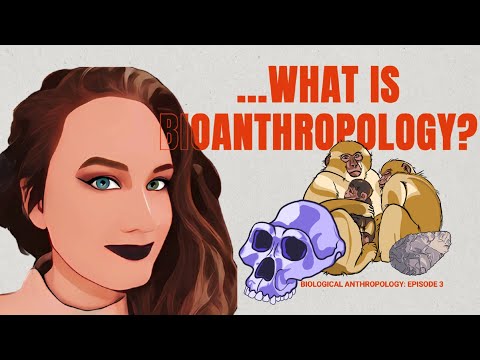
You know that moment when you’re at a party and someone brings up evolution? Suddenly, it’s like all eyes are on you, right? It’s wild how such a casual chat can dive deep into who we are as humans.
Biological anthropology is kinda like the backstage pass to understanding our species. It reveals all the quirky, complicated pieces that make us, well, us! From our ancient ancestors to the way we adapt today, it’s a fascinating ride.
And here’s the kicker: this stuff isn’t just for scientists in lab coats. Anyone can get into it! You’d be amazed at how much fun it is to share these ideas with folks outside of academia. Seriously! It’s about connecting with people and sparking curiosity.
So buckle up; let’s chat about what biological anthropology is all about and how we can all share in this adventure together!
Exploring Biological Anthropology: Understanding Human Evolution, Adaptation, and Diversity
So, biological anthropology is this super intriguing field that dives into the story of *us*—the humans. It’s about understanding where we come from, how we adapt to different environments, and how diverse we are as a species. It’s like being a detective, piecing together clues from our past!
Human Evolution is one of the main focuses here. Basically, it looks at how we evolved over millions of years from our primate relatives. You know, there’s a whole family tree out there! Think about it: just like you might have ancestors who were farmers or city dwellers, humans evolved from creatures that lived in trees and then ventured out onto the ground.
In this quest to understand ourselves, biological anthropologists study fossils and artifacts. Fossils are remnants of long-gone life forms, while artifacts are things made by humans like tools or pottery. By examining these remnants, they can tell us about our ancestors’ lifestyles—what they ate, how they lived, and even their social structures.
Now let’s talk about adaptation. This refers to how we change over time to survive in different environments. For instance, have you heard of the Andean people? They live high up in the mountains where oxygen is thin. Over generations, they’ve adapted by developing larger lungs! Isn’t that amazing? This shows us not just our physical adaptability but also how culture plays a role.
Then there’s Diversity. Humans aren’t all the same—we come in different shapes, sizes, and colors! Biological anthropology digs into why this diversity exists and what it means for our species. For example:
- Genetic Variation: We all have unique genes which influence traits like skin color or susceptibility to certain diseases.
- Cultural Practices: How people live affects physical traits too! In some cultures, specific diets lead to variations in weight or height.
- Environmental Factors: Different climates can lead to adaptations like body shape—taller in hot areas for heat dispersal!
Through studying all these different aspects of human existence—our evolution, adaptations to environments ,and cultural diversities—biological anthropology connects us with our past while helping us understand our present. It’s kinda cool how looking back can help inform so much about who we are today!
The outreach part is equally important because understanding biological anthropology helps us appreciate not just where we came from but also each other. It encourages conversations about human rights and embracing diversity in an ever-connected world.
So next time you glance around at your friends or family—or even strangers—you might see more than just faces; you’re looking at millions of years of evolutionary history playing out right before your eyes!
Exploring the Major Principles of Biological Theories in the Science Community
Biological anthropology is this fascinating field where biology and culture collide. It’s all about understanding what makes us human, drawing from genetics, evolution, and our social behaviors. Seriously, the intersection of these elements helps us grasp how we’ve evolved over time. Let’s break down some major principles that are central to this area.
Evolutionary Theory is the cornerstone of biological anthropology. This principle teaches us that species change over time through natural selection. Think of it like a long game of survival; the traits that help individuals thrive get passed on while those that don’t fade away. For instance, consider how certain populations develop lighter skin in sunny regions—it’s a response to their environment.
Now let’s chat about Genetic Variation. That’s the spice of life! Humans share about 99.9% of their DNA, but that tiny 0.1% makes all the difference in traits like eye color or even susceptibility to diseases. By studying these variations, researchers can trace lineage and understand how humans adapted to different environments throughout history.
Next up is Cultural Anthropology, which links closely with biological factors. It focuses on human societies and cultures—how they form, evolve and influence behaviors and physical traits across generations. For example, lactose tolerance is a fascinating case; in populations where dairy farming became common, people developed the ability to digest lactose into adulthood—a clear sign of cultural practices affecting biology.
Then there’s Bioarchaeology, which involves studying human remains from archaeological sites. This helps scientists gather clues about past lifestyles, health issues, and even diets through skeletal analysis. It’s like piecing together a puzzle from bones! With these insights, we learn not just who our ancestors were but also how they lived.
Human Adaptation is another critical principle too! Humans have evolved remarkable adaptations to survive in diverse climates—from the Inuit’s ability to withstand extreme cold to the high-altitude adaptations seen in Tibetan populations. These adaptations aren’t just interesting trivia; they give insights into our resilience as a species.
Finally, let’s highlight Public Engagement. Biological anthropologists often communicate their findings to broader audiences through outreach programs or educational initiatives. This ensures people understand not only scientific discoveries but also appreciate what it means for humanity as a whole—like understanding genetic diversity or recognizing our shared ancestry.
So yeah, all these principles come together to form an exciting tapestry that illustrates our journey as humans on this planet! The more we know about ourselves biologically and culturally, the better we can address contemporary issues like health disparities or environmental changes—things that impact us now more than ever. Isn’t it wild how interconnected everything really is?
Exploring the Three Core Themes of Biological Anthropology in the Science of Human Evolution
Biological anthropology is this super cool field that digs deep into what it means to be human, especially how we evolved over time. It’s all about understanding the biological and cultural aspects that make us tick. There are three core themes that really shine in this science: evolution, variation, and adaptation. Let’s break these down a bit.
Evoluttion is like the backbone of biological anthropology. Basically, it’s about how species change over time through processes like natural selection and genetic drift. Think about how humans have changed since, like, roaming the Earth with dinosaurs (okay, maybe not that far back! but you get my point). Our ancestors adapted to their environments in ways that helped them survive. For example, early humans picked up tools and learned to hunt which played a massive role in where we are today.
Now let’s talk about variation. This theme looks at how different populations of humans vary based on factors like geography and genetics. You know when you meet someone from a different part of the world and they have different features or customs? That’s variation in action! Just think about skin color; it varies because of sun exposure—people closer to the Equator tend to have darker skin because it protects them from harmful UV rays. It shows us how our environment influences who we are.
Then there’s adaptation. This is all about how humans adjust to their environment over time. An awesome example is high-altitude living—you know, people who live in places like the Himalayas? They’ve developed unique physical traits that help them thrive in low-oxygen areas. If you ever try hiking up there without adjusting first, gets pretty tough!
In summary, these three themes—evolution, variation, and adaptation—enrich our understanding of human life throughout history. They remind us we’re part of a long story involving change and resilience against diverse challenges throughout time. Just think: every little detail shapes who we are today! So when you look around at the world and see all its colorful variety—we’re all linked through this incredible process called biological anthropology!
Biological anthropology, huh? It’s one of those fields that really makes you think about what it means to be human. It’s not just about bones and fossils; it’s like a puzzle that connects us with our past and helps us understand our present as well. Seriously, if you dive into it, you’ll see how complex and fascinating human evolution can be.
So, what’s the deal with the core principles? Well, first off, biological anthropology looks at humans from a biological perspective. Think of it this way: we’re all part of nature and share a common ancestry with other primates. The way we adapt to our environments, the variations in our bodies—these patterns tell a story. This isn’t just about academics or dusty textbooks; these stories can actually connect us on a deeper level.
I remember sitting in a lecture once where the professor pointed out how variations in skin color are adaptations to sunlight exposure. I mean, wow! Suddenly, color wasn’t just some random thing—it had meaning tied to survival! It made me reflect on my own family and the different shades we have, all while knowing we share those same ancestors who faced different climates. Isn’t that something?
Outreach is equally important here. Sharing these ideas with others isn’t just about spreading knowledge; it’s about building connections and fostering empathy toward our shared human experience. When people understand where they come from biologically, they might show more appreciation for diversity—like recognizing that differences are part of the same awesome puzzle.
But here’s the thing: making this outreach effective requires creativity and compassion. It has to resonate emotionally with people if you want them to care—not everyone will feel moved by graphs or scientific jargon. You might need stories or visuals that hit home. That’s how you reach hearts as well as minds.
In short, biological anthropology isn’t just some niche science—it’s filled with insights into who we are and why we behave the way we do today. And when it finds its way beyond academic circles into everyday conversations? Well, that’s when real understanding starts to blossom! Each time someone discovers how interconnected we all are through evolution or culture—it feels like planting a seed for more compassion in the world. And honestly? We could use more of that!