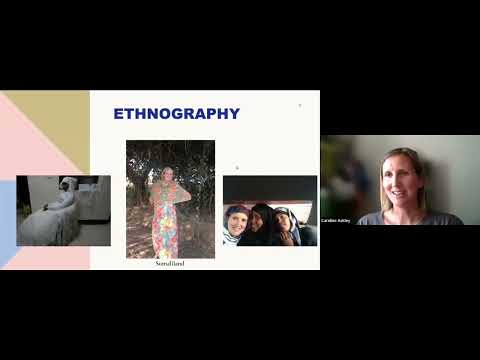
You know what’s funny? When I was in high school, I thought anthropology was just about digging up bones and studying cavemen. Turns out, it’s so much more!
Health anthropology is like the cool cousin of regular anthropology. It dives into how culture and society shape our health. Pretty neat, right?
Imagine this: you’re in a room full of doctors and researchers discussing health issues, but then someone throws in a cultural spin. That’s where health anthropologists come in. They mix science with everyday life!
They help bridge gaps between communities and the scientific world. And honestly, it makes a world of difference in how we understand health and illness. You feel me?
So, let’s take a closer look at how this fascinating field plays a key role in scientific outreach. You’re gonna want to stick around for this!
Exploring the Interconnection Between Anthropology and Medical Science: Insights into Human Health and Culture
Okay, let’s talk about anthropology and medical science, and how these two worlds collide in some pretty interesting ways. At first glance, you might think they’re miles apart—one studies humans from a cultural perspective while the other focuses on health and disease. But when you dig a little deeper, you start to see all the connections. You follow me?
Anthropology is basically the study of humans, right? It dives into our cultures, beliefs, customs, and even how we interact with the world around us. On the flip side, medical science is all about figuring out how to keep us healthy or to cure us when things go sideways. But here’s where it gets cool: health isn’t just biological; it’s also shaped by social factors. You know what I mean?
Health anthropology is a branch of anthropology that focuses specifically on this intersection of health and culture. It looks at how different communities understand health and illness. This can really help medical professionals provide better care because they get insights into patients’ beliefs and practices.
- Cultural beliefs: Every culture has its own way of viewing health. For example, in some societies, illness is seen as punishment from the gods or an imbalance in one’s life energy.
- Access to care: Some communities might have barriers like language or financial issues. Understanding these hurdles helps tailor healthcare services.
- Traditional healing practices: Many cultures rely on herbal remedies or rituals for healing. These practices can sometimes complement modern medicine.
A brief story comes to mind: imagine a small village where modern medical interventions are scarce but traditional healers are trusted figures in the community. A health anthropologist might come in to study how these healers work alongside—or even conflict with—healthcare providers from outside. This kind of research shows that it’s not just about treating symptoms; it’s about understanding a whole way of life.
This two-way street also leads to better scientific outreach! When scientists want to share their findings with communities, they need to be aware of local customs and languages. If they don’t consider these aspects, their messages might not be welcomed—or understood—at all.
The thing is this interconnection creates a richer understanding of human health that goes beyond just charts and graphs! So often we forget that behind every statistic is a human story filled with complexities shaped by culture.
By recognizing these intersections between anthropology and medical science, both fields can work together more effectively for better health outcomes worldwide—who wouldn’t want that?
This relationship reminds us that understanding people isn’t just about knowing what makes them sick or healthy—it’s also about appreciating who they are as individuals within their cultures!
The Crucial Role of Anthropology in Enhancing Public Health Outcomes
So, let’s talk about anthropology and how it plays this super important role in public health. You might be thinking, “What does studying cultures have to do with keeping people healthy?” Well, a lot, actually! The field of health anthropology focuses on understanding how cultural beliefs and practices affect health outcomes. It’s basically connecting the dots between our societies and how we manage health.
One of the key things that anthropologists do is observe and analyze the different ways people understand illness. For example, in some cultures, people might believe that illnesses are caused by supernatural forces while in others, they may look at biological or environmental factors. This can change everything from how they seek treatment to whether they even acknowledge a disease! So when public health strategies are designed without considering these beliefs, they may totally miss the mark.
Then there’s the aspect of community engagement. Anthropologists often work directly with communities to gather insights that you won’t find in books or statistics. Imagine trying to launch a new vaccine campaign without talking to the folks who will actually be getting vaccinated! They might have concerns or cultural practices that need addressing before anything can really work. For instance:
- Cultural barriers can make it tough for people to accept certain medical practices.
- Understanding local customs helps in tailoring health messages that resonate better.
You know what else is fascinating? The way anthropologists study behavior during health crises. Take a look at public health responses during pandemics. Anthropologists can provide valuable insights into how different communities respond based on their social structures and norms. For instance:
- Sheltering-in-place guidelines might not work well if living arrangements involve large extended families.
- The message around handwashing could vary depending on access to clean water and soap within communities.
This brings us to another vital piece: **policy development**. Health anthropologists often advocate for policies rooted in cultural context rather than just scientific data alone. This means bringing diverse voices into conversations about policy-making—because policies designed without community input are less likely to succeed.
So think about this: when public health leaders work alongside anthropologists, they create solutions that not only address diseases but also respect and engage with people’s actual lives and experiences. It’s like creating this bridge between science and everyday life!
The whole goal is not just about treating illness but improving overall community well-being—enhancing mental, emotional, and social health as well.
In summary as you can see here:
- Cultural understanding: Vital for effective communication about health.
- Community engagement: Essential for gathering real-world insights.
- Crisis response: Helps adapt strategies based on local behaviors.
- Policy advocacy: Ensures policies meet people’s needs effectively.
An anthropology-infused approach leads to more comprehensive public health outcomes which resonate more deeply with communities—and isn’t that what we want? Understanding human behavior is key; it connects us all! So next time you think of anthropology, remember it’s not just about studying ancient bones—it’s a powerful tool for shaping healthier futures!
Exploring the Intersection of Health and Culture: The Role of Medical Anthropology in Scientific Research
So, let’s talk about medical anthropology. This field is all about exploring how culture influences health and healthcare practices. You know, it’s like peeling back the layers of an onion to see how beliefs, traditions, and values shape the way people think about health.
One of the coolest things medical anthropologists do is study how different cultures understand illness. For example, in some cultures, healing might involve spiritual practices alongside physical treatments. So, these anthropologists dive into communities to find out what makes them tick when it comes to health.
Now imagine if you’re on a research team looking into why certain populations are more susceptible to diseases like diabetes or heart problems. Here’s where anthropology steps in: it helps you understand lifestyle choices influenced by culture—like diet and exercise norms. These aren’t just statistics; they’re real human behaviors shaped by deeply held beliefs.
- The Role of Communication: Medical anthropologists often focus on communication patterns in healthcare settings. They ask: How do doctors and patients talk? What terms do they use? A simple term can mean something entirely different across cultures!
- Access to Healthcare: Not all communities have the same access to healthcare resources. Factors such as economic status or even geographical location can play huge roles, and anthropologists dig deep into these issues.
- Cultural Practices: Sometimes traditional healing methods may not align with Western medicine but are pivotal for the community’s identity. For instance, using herbal remedies might be seen as more effective in some cultures than modern pharmaceuticals.
You might ask yourself, “Why does this matter?” Well, it’s pretty vital for improving healthcare services! When scientists know what a community values or fears regarding health interventions, they can tailor their approaches better. Think about vaccines—knowing a community’s perspective can really change how they’re presented and accepted.
I remember talking to a friend who lived in a small town where everyone believed that illnesses were punishments from ancestors. When local clinics tried promoting modern health practices without considering this belief system, they faced huge pushback. It was only once they engaged with the community that progress began.
The connection between culture and health isn’t just fascinating; it also has real-world implications for scientific outreach. By understanding cultural contexts, we can develop communication strategies that resonate with diverse groups, making outreach efforts way more effective overall!
At its core, medical anthropology is about pulling together these threads of culture and health so we can create a comprehensive picture of well-being that respects individual experiences while paving the way for better science and healthier communities.
So, health anthropology is one of those areas that really gets you thinking about how our culture shapes our understanding of health and illness. It’s like this fascinating bridge between society and science, you know? You might picture an anthropologist digging into the local customs, exploring how different communities cope with sickness or celebrate wellness. It’s a cool mix of science and real human experience.
Let me tell you a little story. A couple of years ago, I went to this small village that had its own traditional practices for healing. People believed in herbal remedies passed down through generations. At first glance, it seemed like just folklore—nothing too scientific. But when I spoke to the locals and saw how those remedies worked in their daily lives, it was eye-opening. Suddenly, their beliefs weren’t just quirky; they were part of a rich context that shaped their well-being.
What’s interesting is how health anthropology dives into all this complexity without shoving Western medicine aside. Instead of saying what’s ‘right’ or ‘wrong,’ it asks why people believe what they do about health. And that understanding can play a big role in scientific outreach! If scientists and healthcare workers want to connect with communities effectively—especially marginalized ones—they need to respect and understand these cultural frameworks.
By incorporating insights from health anthropology into outreach efforts, we can tailor communication around health issues so it actually resonates with people. Imagine trying to promote vaccinations but not considering local fears or stigma attached to them? It might not go over very well! So yeah, health anthropology helps ensure that scientific ideas don’t just land flat, but instead spark genuine conversations.
You really see how stories matter in this field too—like storytelling becomes an effective tool for sharing complex information in relatable ways. Maybe that’s why folk tales about healing still thrive; they evoke emotions and connections that pure data just can’t touch.
So basically, health anthropology shines a light on the human side of healthcare—its rituals, beliefs, and practices—and merging these insights with science can help lead us toward more compassionate and effective outreach strategies! It’s all about recognizing the humanity behind the numbers, you know?