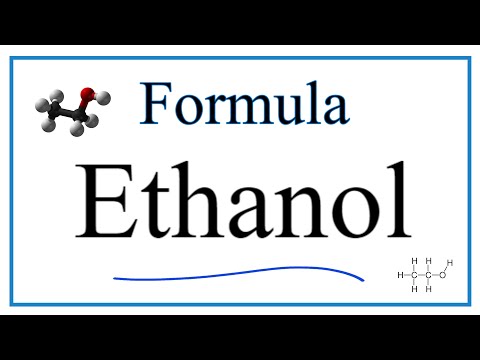
So, you know that moment when someone says they’re going to have a drink and you just nod along, maybe with a smile? It’s wild to think that in every shot or cocktail, there’s this little thing called ethyl alcohol. Yeah, that’s right! It’s not just the party starter; it’s also got a fancy molecular structure hiding behind it.
Imagine for a second – ethyl alcohol was hanging out with the big names in science, like Einstein and Curie. You’d never guess it, right? But really, its molecular structure is like the secret recipe behind all those drinks we love (or loathe).
But here’s the thing: it’s not just about getting buzzed. Ethyl alcohol plays all sorts of roles in our lives – from medicine to industry. So let’s unravel this molecule together!
Exploring the Significance of Ethyl Alcohol in Scientific Research and Applications
Ethyl alcohol, or ethanol, is one of those compounds that seems to pop up everywhere—like that friend who just can’t resist crashing your party. Made up of two carbon atoms, six hydrogen atoms, and one oxygen atom, its simple molecular structure (C2H5OH) makes it easy to produce and study.
So, what’s the big deal with ethyl alcohol in scientific research? Well, a ton of stuff! For starters, it plays a crucial role in biochemistry. Scientists use ethanol as a solvent to dissolve other substances during experiments. This is super important because many chemical reactions can only happen when everything is mixed in just the right way. Imagine trying to bake your favorite cookies without blending the ingredients properly—yikes!
On top of that, it helps us understand how living organisms work. Ethanol can be found in metabolic pathways. When your body breaks down food for energy, it produces ethanol as a byproduct—though thankfully not in large amounts! This links back to fermentation processes where microorganisms convert sugars into alcohol and carbon dioxide. It’s like nature’s little magic trick!
Also, let’s talk about its significance in medicine. Ethyl alcohol has antiseptic properties, which means it can help kill germs. Ever noticed how hospitals have tons of hand sanitizer? That’s ethanol doing its job! Plus, it’s used in disinfectants and sterilizing instruments; it’s basically the superhero fighting off nasty bacteria.
But there’s more! In the realm of chemistry and material science, ethyl alcohol is a key ingredient in various products like paints and coatings because it evaporates easily. When you paint a room or apply nail polish, you’re relying on ethanol’s ability to deliver molecules quickly while still allowing for that glossy finish. It’s like a backstage pass for artists!
Ethanol also lends itself well to studying neurological functions. Researchers use it to better understand brain activity and its effects on cognitive functions or even disorders like alcoholism itself. By tracking how this substance interacts with neurotransmitters in the brain, scientists gain insights into how addiction develops and affect treatment strategies.
And here’s something interesting: even though we commonly associate ethyl alcohol with beverages (thanks to all those parties!), the concentrations used for research are much higher than what you’d find in drinks—exceeding 70% sometimes! That gives way to exploring its potential implications on human health under different scenarios.
In conclusion—and this might seem pretty obvious now—ethyl alcohol isn’t just about partying or celebrating special moments; it’s pretty vital across various fields of scientific research and applications. From understanding basic life processes to fighting germs or enabling cool chemical processes—it kinda holds a lot more significance than most people really get! So next time you come across ethyl alcohol in either your lab work or at social events, you might just see it from a new angle!
Exploring the Biological Significance of Alcohol: Impacts on Human Health and Cellular Processes
So, let’s chat about alcohol, specifically ethyl alcohol, which you might know better as ethanol. This substance isn’t just hanging out in your favorite drinks; it has some pretty interesting biological significance.
First off, the basic structure of ethyl alcohol is *C2H5OH*. Just think of it as a little molecule with two carbon atoms, five hydrogen atoms, and one oxygen atom attached to it. Sounds simple, right? But this tiny molecule packs a punch when it comes to how our bodies react to it.
Now, what happens when you consume alcohol? Well, your body treats ethanol like any other food source. It gets broken down in the liver through various chemical processes. But here’s where things get a bit complicated.
Alcohol Metabolism
When you drink alcohol, your liver breaks it down into acetaldehyde first. Acetaldehyde is actually toxic; that’s why sometimes you feel so awful after drinking too much—thank your liver for that! Then, acetaldehyde gets converted into acetate, which is less harmful. Eventually, all this processing leads to energy production; even though the energy from alcohol isn’t as efficient as from other sources like carbs or fats.
Cellular Processes Affected by Alcohol
Alcohol doesn’t just impact how you feel; it also messes with cellular functions. Here are some effects:
- Cell Membranes: Ethanol can change the fluidity of cell membranes. When this happens, nutrient transport and communication between cells get disrupted.
- Inflammation: Excessive drinking can trigger inflammation in various organs—especially the liver—leading up to diseases like fatty liver or cirrhosis.
- Oxidative Stress: The breakdown of alcohol produces free radicals which can damage cells over time. This kind of oxidative stress contributes to aging and various diseases.
- Nutritional Deficiencies: Heavy drinking can interfere with nutrient absorption in the gut and diminish vitamin levels in your body.
Let me tell you—a friend once went on a weekend binge without eating properly afterward and landed in the hospital with acute pancreatitis. It was a scary situation! That really drove home how seriously alcohol affects our health at different levels.
The Brain’s Reaction
Ever felt tipsy? That’s your brain reacting to ethanol! It alters neurotransmitter activities (the chemicals that send signals in your brain). At first, it might feel fun—like you’re more social or carefree—but hitting tequila too hard could lead to impaired judgment or risky behaviors.
And let’s not forget long-term use! Chronic drinking can lead to changes in brain structure and function that are pretty concerning: think memory issues or even conditions like Wernicke-Korsakoff syndrome.
In summary: alcohol isn’t just a recreational thing; its impacts are profound on human health and cellular processes alike. Understanding these effects helps highlight why moderation is key when indulging in those social drinks! Keeping those chaotic molecules under control could mean healthier cells—and happier futures for us all!
Understanding Ethyl Alcohol: Molecular Structure, Properties, and Scientific Significance
Understanding Ethyl Alcohol, or ethanol as it’s scientifically known, is kind of a big deal in both the beverage world and the scientific community. So, what’s all the fuss about? Let’s break it down!
First off, let’s talk about molecular structure. Ethyl alcohol has a simple chemical formula: C2H5OH. Yeah, that looks like a bunch of letters and numbers jumbled together, but let me explain. So you have 2 carbon (C) atoms, 6 hydrogen (H) atoms, and 1 oxygen (O) atom. The way these atoms hook up is crucial—it shapes how ethanol behaves.
The structure looks like this: there’s a chain of two carbon atoms. Each carbon is connected to enough hydrogen atoms to fill their “bonds” to make everyone happy and stable. Then, on one end of that chain, there’s an -OH group—this is called a hydroxyl group, and it basically tells us this molecule is an alcohol. This little -OH part plays a big role in how ethanol interacts with other substances.
Now onto properties. Ethanol is colorless and has a distinct smell that some people love (hello, party drinks!) while others might dislike. It’s also flammable—like really flammable—which is something worth noting if you’ve ever spilled some on your kitchen counter!
Ethanol has a boiling point of around 78°C (which is roughly 173°F). That means it turns into vapor at relatively low temperatures compared to many other liquids. This property makes it super useful in industries for making things like perfumes or as fuel.
You know what else? It mixes beautifully with water! Because of that hydroxyl (-OH) group I mentioned earlier, ethanol can dissolve in water easily. This characteristic makes it great for scientific experiments where solvents are needed.
On to some serious stuff: the scientific significance. Ethanol isn’t just party juice; it’s vital for biological studies too! For instance, researchers use ethanol to preserve specimens because it stops bacteria from spoiling them. Plus, it’s often used as an antiseptic because it can kill germs by breaking down their cell membranes.
You might find it interesting that our bodies can also metabolize ethanol. When you drink alcoholic beverages, your liver breaks it down into acetaldehyde and then into acetic acid before finally turning into energy! But too much consumption isn’t great; hey, moderation is key!
In summary:
- Molecular Formula: C2H5OH
- Structure: Two carbons bonded along with hydrogens and one hydroxyl group.
- Properties: Colorless liquid with a lower boiling point; mixes well with water.
- Significance: Used in preservation, antiseptics; metabolized by our bodies.
So there you have it—ethyl alcohol isn’t just something people enjoy during celebrations; it’s got layers! From its molecular structure to its wide array of uses in science and everyday life, there’s more beneath the surface than you might think!
So, ethyl alcohol, huh? I remember this one time at a party when someone asked what really makes alcohol “alcohol.” It was a casual conversation, but it got me thinking about the science behind it. Ethyl alcohol, or ethanol as it’s scientifically known, has this pretty simple structure that’s actually key to so much in our lives.
Basically, at its core, ethyl alcohol is made up of two carbon atoms (C), five hydrogen atoms (H), and one oxygen atom (O). If you picture it as a tiny little building block, you can see how those atoms connect: the two carbons are like best buddies holding hands with their hydrogen friends while the oxygen hangs out at the end. This arrangement is what gives ethanol its unique properties.
Now, here’s where it gets interesting. Ethanol is not just there for your weekend cocktails. It plays a really significant role in many industries and scientific fields! For instance, it’s used in medicinal syrups and antiseptics. Seriously! Ever sanitized your hands before eating? That’s ethanol doing its thing—killing off germs while you dig into your nachos.
But let’s not forget about its cousin—methanol. While methanol is actually toxic and can cause severe harm if ingested, ethanol is generally safe in moderate amounts. This contrast between them highlights how small changes in molecular structure can lead to dramatically different outcomes. It’s wild to think that changing just one of those little carbon or oxygen atoms could mean the difference between a fun night and serious trouble!
And there’s more! Ethanol also has environmental significance because it’s often used as an alternative fuel source. When we mix it with gasoline for cars, it helps reduce greenhouse gas emissions. So next time you see that “contains ethanol” label on your gas pump, think of how something so simple has such an impact on our planet.
In short, ethyl alcohol isn’t just something we sip on; it’s got layers—seriously! The molecular structure might be basic but its implications spread far and wide across various fields. Reflecting on this little molecule really makes me appreciate how interconnected science is with our daily routines in ways we might not even realize. So next time you’re sipping that drink or washing your hands with sanitizer, you can think about the fascinating world of chemistry behind it all!