You know, when I was a kid, I thought hydrochloric acid was just something in those crazy science experiments on TV. You’d see someone toss a balloon full of baking soda into a bottle of vinegar, and boom! Explosion! But it turns out, HCl is way more interesting than just party tricks.
Seriously, it’s not just some scary chemical; it’s right there in your stomach helping you digest food! Crazy, huh? So, let’s break down this molecule and see what makes it tick. Because understanding HCl not only opens the door to some wild reactions but also shows you how important this stuff is in everyday life. Ready to explore?
Understanding the Molecular Structure of Hydrochloric Acid (HCl) in Chemistry
Hydrochloric Acid, known by its formula **HCl**, is a fascinating compound in chemistry. So, let’s break down what makes this acid tick.
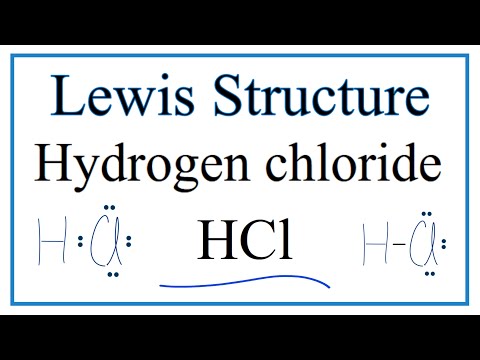
Molecular Structure: HCl is made up of two atoms: one hydrogen (H) atom and one chlorine (Cl) atom. These two are held together by a strong covalent bond. You can picture this bond as a little handshake between the atoms—close and tight!
In terms of shape, HCl has a linear molecular structure, which means it kind of stretches out like a straight line. The electronegativity difference between hydrogen and chlorine is pretty significant; chlorine is more electronegative. This makes the bond polar. Basically, it creates a small charge imbalance within the molecule—chlorine pulls the shared electrons closer to itself, making itself slightly negative, while hydrogen gets slightly positive.
Polarity and Dipole Moment: Now, because of that polarity, HCl has something called a dipole moment. Imagine two people on a seesaw; if one person weighs more, they’ll tip to that side! In HCl’s case, the chlorine atom is heavier in terms of electron density. This uneven distribution leads to lots of interesting interactions with other molecules.
Now you might be wondering why this matters… Well! The polarity affects how HCl behaves in solution—especially when dissolved in water. When you mix HCl with water, it ionizes into **H+** and **Cl–** ions. These ions are super important because they’re responsible for hydrochloric acid’s acidity.
Significance in Chemistry: So why do we even care about hydrochloric acid? Well, it’s like this: HCl plays crucial roles both in laboratories and our daily lives. Here are some key points:
- Dissolution: Its ability to ionize means it can act as an acid readily.
- Catalyst: It’s used as a catalyst in several chemical reactions.
- Digestive Aid: Your stomach produces hydrochloric acid to help digest food!
- Laboratory Reagent: It’s commonly used for pH adjustments or reactions.
This simple yet powerful molecule shows up everywhere! Just think about it; every time you sip on something sour or tangy—like soda—it’s likely due to acidic compounds including hydrochloric acid at play somewhere along the line.
So next time you encounter hydrochloric acid—maybe in a lab experiment or even at home—remember: it’s not just any old chemical; it’s got an elegant structure that’s vital for so many processes around us!
The Significance of Hydrochloric Acid in Chemistry: Key Roles and Applications in Scientific Research
Hydrochloric acid, or HCl, is quite a superstar in the world of chemistry. Seriously, it’s like that one friend who’s great at everything and helps you out in a pinch. HCl is made up of just two elements: hydrogen (H) and chlorine (Cl). When they bond together, they form this strong acid that plays a crucial role in many chemical processes.
Its molecular structure is simple yet powerful. Picture this: a hydrogen atom bonded to a chlorine atom. The bond isn’t just any bond; it’s a polar covalent bond, which means there’s an uneven sharing of electrons. This polarity gives HCl its acidic properties—that’s why when you dissolve it in water, it breaks apart into hydrogen ions (H+) and chloride ions (Cl–). These ions are what make the solution acidic!
You might be wondering why this matters. Well, HCl has several key roles:
- Dissolution of minerals: In nature, hydrochloric acid helps dissolve minerals and metals, making them more accessible for plants and small organisms.
- Digestion: In our stomachs, hydrochloric acid aids digestion by breaking down food and killing harmful bacteria. Imagine your stomach working like a tiny chemistry lab!
- Synthesis: In labs, scientists use HCl to synthesize various compounds. It can help create plastics or pharmaceuticals—talk about versatility!
- Titration: In analytical chemistry, it’s used during titrations to determine the concentration of other substances by reacting with them.
This acid might sound pretty straightforward, but its applications stretch far beyond what meets the eye. For example, when researchers are creating new drugs or materials, they often need to control acidity carefully during reactions. Using HCl is an effective way to achieve that! And let’s not forget about its role in pH regulation; maintaining proper pH levels is super important in both environmental science and biology.
You know what I find really interesting? Hydrochloric acid was once obtained from the process of burning salt (sodium chloride) with sulfuric acid—how cool is that? It shows how something so essential can have such humble beginnings.
The significance of hydrochloric acid isn’t just limited to academia; it spills over into industries too! Think about cleaning solutions—it’s often used for tough stains because it can break down grime effectively. So next time you’re scrubbing away at something stubbornly dirty, just remember some smart chemist probably thought: “Let’s call in HCl!”
So yeah, whether it’s aiding your digestion or helping scientists cook up new inventions in the lab, hydrochloric acid proves time and time again that it’s truly vital across disciplines! Its unique properties make it not only fascinating but also indispensable for all kinds of scientific research.
Exploring the Science of Water: Its Properties, Importance, and Environmental Impact
Water, oh sweet water! It’s not just something you drink when you’re thirsty. It’s like the magic elixir of life, and understanding its properties can really blow your mind.
First off, let’s talk about its molecular structure. Water is made up of two hydrogen atoms and one oxygen atom, which gives it the chemical formula H2O. The angle between those hydrogen atoms is about 104.5 degrees, which is a bit like a V shape. Because of this shape and the difference in electronegativity between oxygen and hydrogen, water becomes a polar molecule. This means it has a partial positive charge on one end (where the hydrogens are) and a partial negative charge on the other (where the oxygen is). Clever little molecule!
This polarity leads to some pretty cool stuff known as hydrogen bonding. It’s like when friends hold hands at a concert—each water molecule kinda wants to be close to its buddies. This results in high surface tension, which is why you can sometimes see water striders skating across ponds without sinking.
- Cohesion: Water molecules cling to one another thanks to those hydrogen bonds.
- Adhesion: Water also sticks well to other surfaces like glass or plant leaves.
- High specific heat: Water can absorb a lot of heat without changing temperature much, which is super important for regulating climates.
- The universal solvent: Water can dissolve more substances than any other liquid! This makes it essential for all sorts of biological reactions.
You see? These properties aren’t just fun facts; they’re crucial for life as we know it! For example, think about how our bodies are mostly made up of water—around 60%. If our body was like a big machine, well, water would be one of the main oils keeping everything running smoothly!
The importance of water extends beyond organisms; it plays a giant role in ecosystems too. Rivers help shape landscapes while providing habitats for all sorts of creatures. Lakes absorb carbon dioxide from the atmosphere, helping combat climate change. Yet with things getting hotter in some areas and heavy rainfall hitting others due to climate change, we really need to keep an eye on our waterways.
If you’ve ever experienced dry seasons or floods in your area—yeah, those directly relate back to how we interact with our environment and how climate shifts influence precipitation patterns. It’s kinda alarming if you think about how this might twist our cozy relationship with water!
This brings in another topic: environmental impact. Pollution wreaks havoc on our precious H2O sources—think plastics in oceans or chemicals leaking into rivers from factories. Not only does this affect wildlife but it circles back around to us humans too because clean drinking water is fundamental for health.
If you’re ever feeling overwhelmed by these issues—or even just curious—you might want to engage with local conservation efforts or simply get involved in spreading awareness! It’s amazing what collective action can do when people come together over something as vital as clean water!
You follow me? Understanding these invisible molecules that make up our world reminds us that every drop counts—and hey, maybe next time you sip that glass of agua, you’ll appreciate its journey just a little bit more!
You know that feeling when you finally get that one puzzle piece to fit? That’s kind of how I feel about the molecular structure of hydrochloric acid (HCl). It’s simple, yet so crucial for understanding a whole bunch of chemical reactions and processes.
So let’s break it down. HCl is made up of just two atoms: hydrogen (H) and chlorine (Cl). It’s like a partnership, right? The hydrogen atom is the little guy here, while chlorine is bigger and has more pull, which makes their bond quite interesting. They come together to form a polar covalent bond. What does that mean? Well, it just means they’re sharing electrons but not equally. Chlorine kind of hogs the electrons because it’s more electronegative—a fancy way of saying it has a stronger attraction to those little negatives.
Why does this matter? Picture this: You’re cooking in the kitchen, and you accidentally spill some vinegar. It stinks but it’s harmless compared to HCl. This acid can actually dissolve metals! Seriously, it’s used in various industries for everything from cleaning to pH balancing. Understanding its molecular structure helps chemists predict how HCl interacts with other substances.
And here’s where things get even cooler: HCl plays a big role in our own stomachs! Yup! Our bodies produce hydrochloric acid to help digest food and kill bacteria. It’s like nature’s way of keeping us safe while breaking down those yummy tacos we all love.
Thinking about it brings back memories of my high school chemistry teacher enthusiastically demonstrating how acids react with bases—especially when they fizzed and bubbled! That excitement was contagious whenever we mixed vinegar with baking soda; but trust me, doing the same thing with HCl would lead to something way more vigorous!
In short, the molecular structure of HCl might seem simple at first glance, but its significance reaches far beyond what meets the eye. Understanding its behavior opens doors to so many areas in chemistry—from laboratory work to real-world applications—and that’s pretty incredible if you ask me. So next time you think about acids, remember that tiny bond between hydrogen and chlorine—it packs quite a punch!