So, let me tell you a little story. Last summer, I tried whipping up some homemade ice cream. It was a disaster – way too icy and not creamy at all. I was like, “What went wrong?!”
Turns out, there’s a whole science behind making things smooth and rich. Speaking of smooth, that’s where hexane comes in! Yup, hexane! It’s one of those unsung heroes in hydrocarbon chemistry.
I mean, this little molecule is everywhere! You won’t believe how much it impacts the stuff we use daily. From cooking oils to fuel—it’s like the secret ingredient of life.
But what really gets me is its structure. Seriously, just looking at how these carbon atoms line up can tell you so much about its properties. So grab a snack and let’s break down the world of hexane together!
Understanding the Molecular Structure of Hexane: A Comprehensive Analysis in Organic Chemistry
Hexane is one of those hydrocarbons that pops up in organic chemistry quite a bit. When you break it down, it’s a simple, clear example of what hydrocarbons are all about. So, let’s get into the juicy details of hexane’s molecular structure.
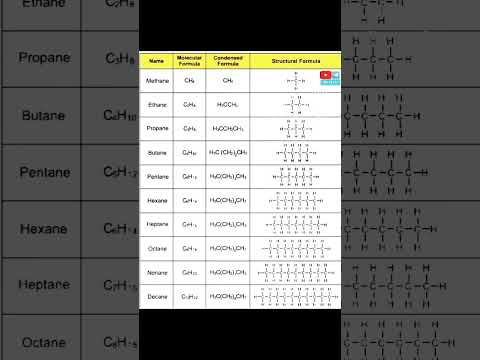
Hexane has the chemical formula C6H14. This means that there are six carbon atoms (C) and fourteen hydrogen atoms (H) in each molecule. You can think of it like a chain of carbon atoms where each carbon is connected by single bonds—the kind of connection that’s pretty chill compared to others like double or triple bonds.
The thing is, these carbon atoms can form various shapes because they can bond with each other in several ways. In the case of hexane, they create a straight chain—like a train on tracks. But here’s where it gets even more fun: hexane isn’t just one molecule; instead, there are different versions called isomers! Some of them have branches in their structure, which basically means instead of being a straight line, they’re all twisty and turny.
So you might ask, “What does this mean for us?” Well, the shape affects how hexane interacts with other chemicals around it—very important stuff! Hexane and its isomers play significant roles in fuels and solvents because they’re good at dissolving things without causing reactions.
To paint a clearer picture for you:
- Straight-chain hexane: This is the most common form you’ll encounter. It’s like if you had six friends holding hands straight across.
- Isomers: You can have variations like 2-methylpentane or 3-methylpentane where instead of everyone holding hands straight, one friend might be standing off to the side.
Now about the bonds. Carbon loves to bond with hydrogen to fill its outer shell (which needs four electrons). In hexane’s case, each carbon forms four bonds; every carbon atom connects to two hydrogens except for the terminal carbons which hang out with three hydrogens. Picture this: it’s like each carbon is hosting a little party where everyone tries their best not to leave anyone alone!
Finally, don’t forget about polarity and solubility! Hexane is nonpolar due to its symmetrical structure—this makes it less likely to mix well with water (which is polar). So if you’ve ever tried mixing oil and water for salad dressing only to watch them separate? Yeah, same concept.
The world around us relies on understanding molecules like hexane for creating materials we often take for granted. Who would think something so simple could play such pivotal roles in our everyday lives? So next time you hear about hexane or use something made from it—like gasoline or solvents—you know there’s a fascinating molecular story behind it!
Identifying Hydrocarbons: A Guide to Recognizing Molecular Structures in Organic Chemistry
So, let’s talk about hydrocarbons, right? These are basically compounds made up of hydrogen and carbon. They’re everywhere, and they’re super important in organic chemistry. When we try to identify hydrocarbons, especially something like hexane, it’s all about recognizing the molecular structure. You follow me?
Now, hexane is a straight-chain alkane with the formula C6H14. It’s made up of six carbon atoms and fourteen hydrogen atoms. To visualize it better, think of hexane as a zig-zag line of carbon atoms connected by single bonds, with hydrogen atoms filling in the gaps to complete each carbon’s four bonds.
When you look at the molecular structure of hexane, you’ll see that it doesn’t have any double or triple bonds. That’s what makes it an alkane! Alkanes are like the chill cousins of hydrocarbons because they do not react easily compared to others like alkenes or alkynes.
Here are a few things that can help you identify hydrocarbons like hexane:
- Straight chains vs. branched chains: Hexane can be found as n-hexane (the straight chain) or in branched forms like 2-methylpentane.
- Molecular formula: Know how to spot CnH2n+2 for alkanes; for hexane specifically, you’ll see six carbons and fourteen hydrogens.
- Structural drawing: Get comfy with drawing out molecular structures; visualize those carbon backbones and how hydrogens attach.
- Functional groups: Recognize that since we’re talking about alkanes like hexane, there won’t be any functional groups hanging around. No double bonds means simple structure!
One day in lab class back in college—oh man—my professor asked us to draw out different types of hydrocarbons. Everyone was nervously sketching their models while I tried really hard not to mess up my pentagon-shaped representations! I ended up getting so lost trying to draw everything from memory until I realized all I had was just good ol’ n-hexane on my mind.
So when you’re identifying these molecules, keep these points handy! The key is understanding the basic structures that hydrocarbons form and recognizing their patterns. What happens next is all about knowing how these little guys interact with one another—their reactions!
Always remember: hydrocarbons are crucial for fuels and materials we use every day—from gasoline to plastics—so getting familiar with them will definitely pay off in your studies or even your everyday conversations about science!
Understanding the Simple Molecular Structure of Hexane: Insights from Organic Chemistry
So, hexane. You might have heard the name pop up in conversations about your car’s fuel or maybe in organic chemistry class. But what’s really going on with this six-carbon chain? Let’s peel back the layers a bit.
Hexane is a *hydrocarbon*, which basically means it’s made up of just hydrogen and carbon atoms. The formula for hexane is **C6H14**. That “14” part indicates there are 14 hydrogen atoms bonded to the 6 carbon atoms. Simple enough, right?
In terms of its structure, you’ve got these carbon atoms linked together in a straight chain, forming what we call a **linear alkane**. Kind of like a row of friends holding hands! Each carbon atom can form four bonds, which is how they link up with hydrogen atoms to fill those valences.
Now, picture this: when you see that hexane chain, it might look something like this:
CH3-CH2-CH2-CH2-CH2-CH3
This shows that at one end (the left), there’s a **methyl group (CH3)**, and at the other end (the right) is another **methyl group** as well. In between are all those **methylene groups (CH2)** linking everything together.
Here’s where it gets a bit cooler; while we often talk about hexane in its straight-chain form, there are actually different versions called isomers! These are molecules with the same formula but different arrangements. So for hexane, you can find structures like **2-methylpentane**, where one carbon branches off the main chain. It’s like if one of those friends decided to dance off to the side instead of standing in line!
Hexane isn’t just chilling around for fun; it plays some pretty important roles in our everyday lives. For instance, it’s commonly used as a solvent in laboratories and even in industries for extracting oils from seeds or other plants.
Now here’s something interesting: even though hexane seems pretty simple on paper, it’s not all sunshine and rainbows. It can be hazardous when inhaled or ingested because it can affect your nervous system! So while you might think using it for cleaning stuff sounds cool, safety precautions are super important.
To wrap things up—hexane is essentially two methyl groups connected by four methylene groups forming an unbranched chain. This simple structure carries out many complex functions in both chemistry and industry.
So next time someone mentions hexane at a gathering—or maybe during your late-night study session—you’ll know exactly what they’re talking about! And who knows—maybe you could impress them with your knowledge about those sneaky little isomers too!
You know, when you start digging into the world of hydrocarbons, it’s like stepping into a whole different universe. Hexane, for instance, might sound like just another chemical name we learn in school, but there’s so much more to it. I remember back in college during a chemistry class; I was really struggling to wrap my head around all these structures and bonds. One day, my professor pointed at a molecular model of hexane and explained its structure so passionately that it kind of stuck with me.
So, let’s break it down. Hexane is basically made up of six carbon atoms (hence the “hex” part), and they’re all linked by single bonds to hydrogen atoms. This makes it what we call a saturated hydrocarbon. The fun part is that you can visualize it as a straight chain or even in different shapes due to its flexibility—like having some straight spaghetti or twirling it around on your fork!
Now, hexane is important because it’s not only found in nature but also has industrial significance. Remember those times when you’ve been out camping and used lighter fluid? Yep! That’s hexane right there! It helps break down fats and oils too—a real multitasker when you think about it.
But here comes the interesting bit: hexane can exist in multiple forms, called isomers. Imagine having two friends named Alex—one loves football while the other is into painting. They share the same name (or formula), but their personalities are totally different! Isn’t that cool? These different arrangements give hexane various properties which affect how they react with other substances.
In terms of chemistry, the way these carbon atoms bond influences everything: how well hexane burns, how viscous (or thick) it is as a liquid, and even its boiling point! So when you’re boiling pasta at home and feel that steam rising off the pot—that’s like hexane molecules flying off as they transition from liquid to gas!
I guess what I’m trying to say here is that even something as seemingly simple as hexane can open up vast conversations about chemistry. It reminds me of how connected everything really is—from the fuels we use to the food we eat—and how understanding these connections can truly enrich our appreciation for science all around us. It’s like finding hidden gems everywhere in life if we just look closely enough!