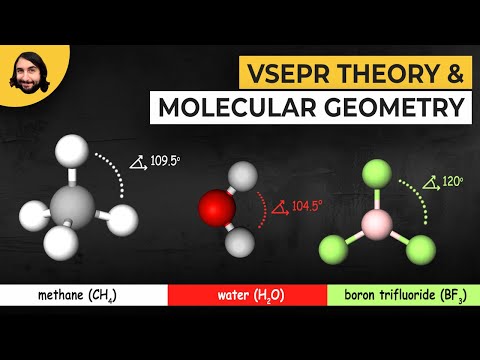
You know what’s funny? When you think about it, molecules are like these tiny little characters with their own quirks and shapes. Imagine a T-shaped molecule strutting down a runway, all confident and unique. Seriously, it’s like the fashionista of the molecule world!
So, we’re talking about T-shaped molecular geometry today. It sounds super scientific, but stick with me here. This shape isn’t just for show; it plays a big role in how molecules behave and interact. That’s where things get interesting!
Ever noticed how some things just click together in chemistry? Well, that’s partly due to their geometry—like how the angles and bonds set the mood for some epic reactions. So yeah, let’s break this down in a way that makes sense and maybe even gets you a bit excited about those tiny molecular shapes!
Understanding the Significance of Molecular Shape in Chemical Reactions: Implications for Chemistry
Molecular shape is a big deal in chemistry. Honestly, it’s like the key to a lock. If you think about it, the way molecules are shaped influences how they react with each other. Imagine trying to fit a square peg in a round hole—that’s sort of what happens if molecules don’t match up in shape during reactions.
Now, let’s talk about T-shaped molecular geometry. This specific shape looks, well, kind of like a T! It has three bonds and one lone pair of electrons. You get this configuration because of electron pair repulsion; those lone pairs need space, so they push the other bonds down into that T formation.
Why does the T-shape matter? Well, it affects polarity, which is super important for how substances behave. Molecules can be polar or nonpolar based on their shapes and charge distributions. A T-shaped molecule tends to have a significant dipole moment due to its unequal distribution of charge.
Think about water—it’s another molecule shaped differently but also with strong polarity. The oxygen pulls on the electrons more than hydrogen does, creating a situation where one end is slightly negative and the other slightly positive. The same concept applies when you look at T-shaped molecules; they can interact beautifully with polar solvents and other polar substances because of their shapes.
Now, consider some examples! The chlorine trifluoride (ClF3) has that T-shape we’re talking about. Despite being made from two elements we usually associate with neutral behavior—chlorine and fluorine—its T shape gives it unique reactive properties. It reacts way more readily compared to something like sulfur hexafluoride (SF6), which has an octahedral shape.
Also, check this out: T-shaped molecules play vital roles in biological systems too! Take hemoglobin for instance; though it’s not literally T-shaped, its functional groups allow for various shapes which greatly influence how oxygen binds to it in our blood.
In summary, understanding molecular shapes like T-shaped geometry opens doors to so much in chemistry—from predicting reactivity patterns to explaining interactions between substances and even grasping how life processes work at a molecular level! It’s all connected in ways we sometimes don’t even see until we really look closely—you know? That’s the beauty of chemistry!
Understanding VSEPR Theory: A Comprehensive Guide to Molecular Geometry in Chemistry
VSEPR theory, or Valence Shell Electron Pair Repulsion theory, is like a little guiding compass for understanding how molecules shape themselves in three-dimensional space. It tells us that the arrangement of atoms in a molecule is determined by the repulsive forces between electron pairs around a central atom. The main idea? Electron pairs want to be as far away from each other as possible.
When we talk about **T-shaped molecular geometry**, we’re dealing with a specific arrangement that can happen when you have three bonding pairs and two lone electron pairs. Imagine taking a letter “T”; that’s pretty much how these molecules look.
So, what gives rise to this T-shape? Well, it mostly comes down to the number of electrons hanging around that central atom. Here’s how it works:
- Central Atom: You usually start with a central atom, often one from group 15 or 16 of the periodic table. For instance, think about chlorine trifluoride (ClF3).
- Bonds: The central atom will form bonds with other atoms—like in our chlorofluoride example where Cl bonds with three fluorine atoms.
- Lone Pairs: Besides bonding pairs, there are also lone pairs on the central atom. In ClF3, there are two lone pairs which significantly influence its shape.
So here’s the kicker: those lone pairs take up space and can push down on the bonding pairs, altering their arrangement into that T-like form.
Imagine being at a crowded party; if you’re standing next to someone (a bonded pair), but there’s someone else (the lone pair) pushing into your space from behind, it changes how everyone stands together. That’s basically what happens here, where those lone pairs end up pushing things around.
Now why does this matter? Understanding VSEPR and geometries like T-shaped helps chemists predict how molecules will behave in reactions or their interactions with other molecules. For instance, knowing the shape tells you about properties like polarity—important for understanding solubility and reactivity.
But wait! There are more examples too! Other molecules exhibit T-shaped geometry like bromine trifluoride (BrF3). It behaves similarly under VSEPR rules because it also has three bonded atoms and two lone pairs on its central bromine.
In conclusion—or maybe I should say just wrapping things up—VSEPR theory is a fundamental part of chemistry that gives us insight into molecular shapes like T-shaped geometries. By knowing how electrons want to spread out, we can really get to grips with molecular interactions and reactions better than ever!
Exploring T-Shaped Molecule Examples in Modern Scientific Research
T-shaped molecules are a pretty cool concept in chemistry. When we talk about them, we’re referring to a specific type of molecular geometry. It’s all about how atoms arrange themselves in three-dimensional space. So, you know, instead of being flat like a pancake, they take on this unique “T” shape.
Imagine you have a central atom with two other atoms attached to it. Then there’s a lone pair of electrons hanging out, kind of like the awkward kid at a party! This arrangement gives the molecule its T-shaped appearance. The lone pairs push the other atoms down, creating that distinct T form.
In modern science, these T-shaped molecules play significant roles in various fields. For instance:
- Catalysis: Some T-shaped compounds can act as catalysts that speed up chemical reactions without being consumed themselves.
- Materials Science: They can be part of new materials with fascinating properties—think smart materials or those that respond to heat and light.
- Biochemistry: In biological systems, T-shaped geometries can influence how enzymes work and interact with substrates.
One great example is the chlorine trifluoride (ClF3). It’s not your average molecule; it has a chlorine atom at the center bonded to three fluorine atoms, making it T-shaped because of the two lone pairs on chlorine pushing down those fluorines. You might wonder why this matters? Well, ClF3 is incredibly reactive and has interesting applications when it comes to cleaning metals and even as an oxidizer in rocket propellants!
Now, let’s take a quick detour into another example: tin(II) fluoride (SnF2). Similar to ClF3 but with different elements involved, SnF2 adopts this geometry too because of its lone pair on tin. It’s used in toothpaste for reducing cavities—so yeah, chemistry is directly impacting our daily lives!
So seriously, understanding T-shaped molecules isn’t just for chemists in labs wearing lab coats; it’s essential for us all since they contribute to groundbreaking research across various fields. Besides reacting with joy when figuring out these shapes—there’s definitely excitement tied into discovering how they function within different environments.
In short, while it may sound like just some geeky stuff at first glance—T-shaped molecule examples show us how interconnected science really is with everyday life! The way we understand these shapes helps drive innovation and even makes our world safer and cleaner!
Alright, let’s chat about T-shaped molecular geometry. You might be wondering, what’s that all about? Well, it’s one of those cool shapes that molecules can take on, like when you’re stacking blocks and you end up with a funky design. Imagine a letter T: it has a vertical line and a horizontal one. In molecular terms, this shape affects how substances behave and interact with each other.
So here’s the deal: T-shaped geometry happens when certain atoms are bonded around a central atom in a way that pushes them into this specific arrangement. Picture a central atom, kind of like the trunk of a tree, with three branches (atoms) sticking out in different directions. This shape often pops up in compounds where there are five electron pairs surrounding the central atom—like in chlorine trifluoride (ClF3) or even some metal complexes.
But why does this matter? Well, the shape can seriously influence how molecules react with each other. It affects things like polarity and the strength of attractions between molecules. Think back to high school chemistry when we learned about how polar and non-polar substances interact differently—T-shaped structures can play a significant role in these interactions.
I still remember my first time trying to visualize these shapes while cramming for an exam. I was doodling all over my notes, trying to wrap my head around why some molecules looked like they were doing yoga while others were standing straight up! Each time I got the shape wrong, it felt as if I missed out on understanding something cool. But once it clicked—it was like finding that missing piece of a puzzle!
So you see, T-shaped molecular geometry isn’t just nerdy chit-chat; it’s the backbone of understanding how materials work at their core. These shapes guide chemists when creating new compounds or predicting reactions. With every twist and turn of their bond angles, they open up possibilities for everything from medicine to materials science.
In short, molecular geometry is more than just lines and dots on paper; it’s this dynamic world where the shape really determines how atoms play together. And who would’ve thought something so simple could have such profound implications? It’s fascinating!