You know that feeling when you’re trying to figure out why your plant is wilting, and it turns out it’s not getting enough CO2? Yeah, it’s kinda wild how carbon dioxide plays a role in not just plants, but like, life itself!
So, the thing is, CO2 isn’t just a gas you exhale. It’s got this cool structure that makes it super important in the chemistry game. I mean, did you ever think about how something so simple can have such a big impact?
When you break down its molecular geometry, it’s like opening a treasure chest of information. You start to see how shapes affect interactions and reactions in all sorts of ways. It’s kind of profound when you think about it!
Stick around and let’s explore why the shape of CO2 matters more than we might first realize.
The Influence of CO2 Molecular Shape on Its Physical and Chemical Properties
So, let’s talk about CO2, or carbon dioxide, and its molecular shape. If you think of CO2, you might picture it as just a gas we breathe out or is in soda. But there’s so much more to it than that!
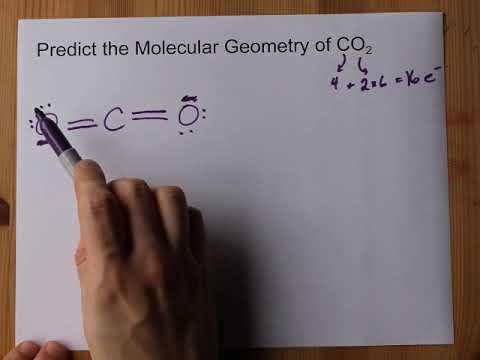
CO2 has a linear molecular geometry. This means it’s shaped like a straight line with one carbon atom in the middle and two oxygen atoms on the ends. You see? It’s pretty simple. The angles between the atoms in CO2 are 180 degrees. This linear shape plays a crucial role in how this molecule behaves both physically and chemically.
Now, why does shape matter? Well, think about how molecules interact with each other, like a team trying to work together. The geometry of a molecule can totally influence its reactivity. Since CO2 is linear, it doesn’t have any net dipole moment; that means the charges are evenly distributed across the molecule. So when it comes to reactions with other molecules, being nonpolar can affect how easily CO2 interacts with them.
In terms of physical properties like boiling and melting points, CO2 does something interesting. At room temperature and pressure, it’s actually a gas! But when you cool it down enough or increase pressure, it turns into solid dry ice without becoming liquid first—pretty cool trick for such a simple molecule!
Let’s break down some key points about CO2’s molecular shape and properties:
- Linear Shape: 180-degree angle; affects reactivity.
- Nonpolar Nature: Even charge distribution influences interactions.
- Physical State: Gas at room temp; sublimates to solid under pressure.
- Chemical Behavior: Reacts with water to form carbonic acid.
And here’s something that’ll get you thinking: because of that linear structure and nonpolar nature, CO2 is able to behave differently from other gases like oxygen or nitrogen. It contributes to things like climate change due to its ability to trap heat in the atmosphere—known as being a greenhouse gas.
So basically, the way that little old carbon dioxide is shaped really matters! Its molecular geometry affects everything from how we experience it—as in what state it’s in—to its role in larger environmental processes.
There’s so much more depth here too; understanding these shapes can lead to insights into everything from atmospheric science to industrial uses of CO2. Pretty captivating stuff once you start unwrapping the layers!
Molecular Geometry of CO2: Implications for Chemical Behavior and Reactivity
So, let’s talk about CO2, or carbon dioxide. You probably know it as the stuff we breathe out or what plants love to munch on. But there’s a lot more to it, especially when you dig into its molecular geometry.
CO2 is made up of one carbon atom and two oxygen atoms. The cool thing about its shape is that it’s linear. Imagine a stick with two balls at the end—that’s kind of what CO2 looks like! The angle between those oxygen atoms is 180 degrees, making it all straight and neat.
So why does this matter? Well, the shape of a molecule affects how it interacts with other molecules. In the case of CO2, its linear structure plays a huge role in how it behaves chemically. Here are some key points to think about:
- Polarity: CO2 is a nonpolar molecule, meaning that it doesn’t have charged ends like some others do. This affects its solubility in water and how it interacts with other substances.
- Reactivity: Because of its shape and polarity, CO2 can easily participate in reactions but often stays pretty stable itself. For example, when you burn fossil fuels, CO2 is produced as a byproduct.
- Greenhouse Gas: The fact that CO2 is linear allows it to trap heat effectively in Earth’s atmosphere. This is kinda crucial since climate change has become such a hot topic (pun intended!).
Think about this: when you drop an ice cube into your drink on a hot day, the ice melts because heat from the drink moves into the ice. Well, CO2 acts somewhat similarly on a larger scale by trapping heat from the sun—making life here possible but also causing temperature changes as levels rise.
Now let’s not forget that molecular geometry also influences things like bond angles. In CO2’s case, the double bonds between carbon and oxygen make those atoms tightly bonded and very stable. If there were just single bonds instead? That would change everything—it could lead to different properties entirely.
Another thing worth mentioning is how this molecular setup allows for effective bonding with other elements too! For instance, during photosynthesis in plants, CO2 combines with water to produce glucose and oxygen—a vital process for life on Earth!
So next time you think about carbon dioxide—remember that its straight-line shape isn’t just for show; it’s behind many important processes that keep our planet ticking along nicely!
Exploring the Molecular Geometry of CO2: Its Significance in Chemistry Education
Carbon dioxide, or CO₂, is one of those molecules that pops up everywhere. You probably know it as the gas you breathe out or what plants use during photosynthesis. But if you dig a little deeper, CO₂ is a fantastic example when it comes to understanding molecular geometry, which plays a big role in chemistry education.
Now, let’s break it down. At its core, CO₂ has three atoms: one carbon (C) atom and two oxygen (O) atoms. What’s interesting about CO₂ is how these atoms are arranged in space. The molecular geometry of CO₂ is often described as linear. Imagine stretching a piece of string between two points; that’s like how the atoms sit along a straight line.
So, why does this matter? Well, molecular geometry can seriously affect how molecules behave. For example:
- Polarity: The linear shape of CO₂ means the molecule is nonpolar. Even though oxygen pulls harder on electrons than carbon does—creating polar bonds—the straight arrangement cancels out any charge differences.
- Reactivity: Knowing that CO₂ isn’t reactive with water helps chemists predict its behavior in different chemical reactions.
- Physical Properties: The nonpolar nature contributes to its gas form at room temperature and pressure.
Now, let’s sprinkle in some bonding talk! The bonds between carbon and oxygen are classified as double bonds in CO₂. That means each bond shares four electrons—two from carbon and two from each oxygen! This strong bond contributes to the stability of the molecule.
In teaching settings, using CO₂ as an example not only illustrates concepts like bonds, but also shows how the structure affects properties and behavior. It gives students something relatable—they see CO₂ in their everyday lives without even thinking about it!
And here’s something cool: when you start talking about molecular geometry, you’re also nudging students towards discussions about trends in periodicity. You can explore why certain atoms bond the way they do based on their position on the periodic table.
The significance of studying molecules like CO₂ doesn’t stop there. It opens up pathways to understand greenhouse gases and climate change—it’s kind of like having a portal into bigger discussions about our planet!
When you’re exploring molecular geometry with students or friends, keep it light but informative. Talk about real-life examples that make science practical and relevant! For instance, once my buddy started looking at his soda can, he couldn’t stop asking questions about all the gases trapped inside—thanks to some fun chats about gases like CO2!
So dive into molecular shapes whenever possible! It makes chemistry feel less intimidating and so much more accessible—and we’re all just trying to make sense of this wild world around us!
Alright, let’s talk about carbon dioxide, or CO2. You know, that gas we exhale and plants love? It’s super simple on the outside, but the way it’s shaped—its molecular geometry—really plays a big role in how it behaves in chemical reactions and in our atmosphere.
So here’s the scoop: CO2 is a linear molecule. Imagine holding a piece of string between your fingers; that’s kind of what CO2 looks like. It has one carbon atom in the middle and two oxygen atoms on either side. The angle between those two bonds is 180 degrees, making it pretty straightforward. This shape is crucial because it impacts how CO2 interacts with other molecules.
I remember when I first learned about this geometry in school. I was really struck by how something so small could have such far-reaching effects. One of my classmates had brought in an old soda bottle, and when we opened it, all those bubbles rushed out! It was like seeing chemistry in action right before my eyes. Those bubbles are essentially carbon dioxide escaping into the air—just a little example of its presence around us.
Now, because of its shape, CO2 doesn’t absorb heat very well compared to some other gases. But here’s where it gets interesting: it can trap heat from the Earth! So while it might not be a superstar at absorbing heat directly, its linear shape allows it to stick around and play a part in climate change discussions.
Plus, this shape affects things like solubility in water and interactions with sunlight—the whole shebang! The way CO2 behaves because of its molecular structure can alter weather patterns and influence global temperatures over time.
So yeah, even though CO2 feels like just another gas we breathe out every day, its geometry has big consequences for our planet’s chemistry and climate! It’s kind of mind-blowing when you think about how much impact something so small can have on our lives and environment. Just goes to show that sometimes simplicity does hide complexity beneath the surface!