So, picture this: you’re sitting at a dinner party, and someone brings up SF4. Everyone’s eyes glaze over except for you. You secretly smirk because you remember that funky molecule. But what’s the deal with it?
Here’s the thing: SF4 isn’t just some random chemical compound; it’s like the quirky cousin of the sulfur family. It’s got a unique shape that makes it pretty cool in chemical reactions.
And yeah, it can be a bit tricky to wrap your head around how these molecules are arranged. But trust me, once you get the vibe of its molecular geometry, it’s like unlocking a little puzzle! So let’s unravel this together and see what makes SF4 tick!
Exploring the Molecular Geometry of SF4 Compounds: Insights and Analysis
Alright, so let’s get into the molecular geometry of SF4 compounds. This is a fascinating topic because it showcases how the shape of a molecule impacts its properties and behavior. SF4 is short for sulfur tetrafluoride, which is made up of one sulfur atom and four fluorine atoms. The way these atoms are arranged in space defines its geometry.
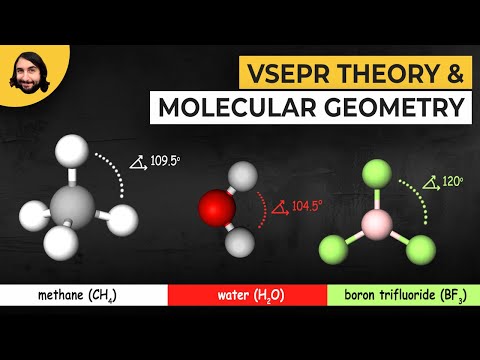
The molecular geometry of SF4 can be described using something called VSEPR theory, which stands for Valence Shell Electron Pair Repulsion. This theory basically tells us that electron pairs around a central atom will arrange themselves to be as far apart as possible to minimize repulsion. With me so far?
In the case of SF4, sulfur is the central atom, and it has four single bonds with fluorine atoms. But here’s where it gets a bit tricky: there’s also a lone pair of electrons on the sulfur atom. This lone pair doesn’t bond with anything and actually influences the shape.
The presence of that lone pair means that instead of having a perfect tetrahedral shape (which you might expect with just four bonds), SF4 ends up having a sawhorse configuration. It looks kind of like a funky chair or an awkwardly balanced sculpture! This shape is often referred to as “seesaw.” It’s not just for fun; this arrangement plays an important role in how SF4 interacts with other molecules.
- Lone pairs matter:The lone pair pushes down on the bonded fluorine atoms, creating that seesaw shape.
- Bond angles:The angles between the fluorine-sulfur-fluorine bonds are about 120 degrees, which is pretty unique compared to other geometries.
- Polarity:The seesaw shape makes SF4 a polar molecule, meaning it has distinct positive and negative ends due to uneven distribution of electron density.
This polarity affects how SF4 behaves in different situations—like when it’s mixed with other chemicals or when it comes into contact with surfaces. Because it’s polar, it can interact differently than nonpolar molecules do; this can influence things like boiling points and solubility.
I remember reading about how chemists use this information practically. For instance, SF4‘s unique properties make it useful in some industrial processes like making certain types of polymers! Who knew that something as small as molecular structure could lead to such big applications?
If you’re curious about where all this goes: understanding molecular geometry really helps in predicting reactions and interactions between different substances. So next time you think about chemistry, remember that even small changes in molecular geometry can lead to significant differences in behavior!
If you’re interested in more visuals or diagrams showing these shapes, there are tons available online that illustrate VSEPR theory beautifully—seriously helpful when trying to wrap your head around these concepts!
You see? Molecular geometry isn’t just some dry concept—it connects deeply to real-world applications and behaviors! Pretty cool stuff!
Exploring the Molecular Geometry of SF4 Compounds: Key Questions and Insights in Chemistry
When it comes to the molecular geometry of SF4, it’s a pretty neat topic in chemistry. So, let’s unpack what this compound is all about and how its shape affects its properties.
What is SF4?
SF4, or sulfur tetrafluoride, is a chemical compound made up of one sulfur atom bonded to four fluorine atoms. It sounds simple enough, right? But the real fun kicks in when we start looking at its shape.
Molecular Geometry Explained
The geometry of a molecule like SF4 isn’t just any old thing; it’s determined by how the atoms are arranged around the central atom—in this case, sulfur. Using VSEPR theory (that stands for Valence Shell Electron Pair Repulsion), we can make some predictions about its shape. Because sulfur has six electrons in its outer shell and is making four bonds with fluorine, the picture gets interesting.
1. T-shaped Structure: The molecular geometry of SF4 is actually T-shaped! This happens because there are two lone pairs of electrons on the sulfur atom that push down on the bonds forming with fluorine.
2. Bonds and Angles: The bond angles in this structure aren’t as straightforward as you might think. They’re approximately 90° between the bonds to fluorine and around 180° for the lone pairs, which creates that T shape we talked about.
Anecdote Time!
I remember my chemistry teacher trying to illustrate this concept with a model kit once. He built a little T-shape with different colored balls to represent each atom and their lone pairs—and honestly? It made everything click! It was like seeing it come alive right before my eyes!
Polarity and Properties
Now let’s get into why shapes matter so much! The T-shaped configuration makes SF4 polar because the bond dipoles don’t cancel out due to their arrangement. This aspect plays a significant role in determining how sulfur tetrafluoride interacts with other substances.
- The interaction with solvents:
SF4 can behave quite differently depending on what it’s mixed with—thanks to its polar nature. - Toxicity factor:
It’s also worth mentioning that SF4 can be pretty toxic if inhaled, which is another reason understanding its molecular structure matters! - Synthesis:
Making SF4? It usually involves reacting sulfur hexafluoride (SF6) with some powerful reducing agents.
In essence, exploring the molecular geometry of compounds like SF4, helps shed light on their behavior in real-world scenarios—whether it’s about toxicity or reactivity! Shapes really do matter in chemistry, don’t you think?
So there you have it—a glimpse into why understanding molecules like sulfur tetrafluoride goes beyond just memorizing facts; it’s about grasping how they fit into the bigger picture of chemistry!
Exploring the Molecular Geometry of SF4 Compounds: Insights and Implications in Chemical Science
So, let’s talk about **SF4**, or sulfur tetrafluoride. Sounds fancy, right? Well, it definitely has some interesting stuff going on at the molecular level. The geometry of a molecule like SF4 can give us clues about its behavior and reactivity, which is pretty cool if you think about it.
Now, to jump into the nitty-gritty. SF4 features a sulfur atom at the center surrounded by four fluorine atoms. The arrangement isn’t straightforward because of something called **lone pairs**—that’s just a fancy way of saying there are some unshared electrons hanging out on the sulfur atom.
So here’s how it works:
- The molecule adopts a **seesaw shape** overall.
- This shape comes from the regions where electrons are: you’ve got four bonds to fluorine and one lone pair.
- The lone pair pushes down on the bonded fluorines since it’s repelling them, creating that seesaw effect.
Why care about this design? Well, it affects how SF4 interacts with other molecules. When you’re dealing with reactive compounds in chemistry, knowing the shape gives you insights into reactivity patterns. Just think of two people trying to dance in a crowded room—it matters how they move!
Another point worth mentioning is **bond angles**. In SF4, they clock in around 102 degrees between the fluorine atoms bonded directly across from each other and around 86 degrees for those adjacent to the lone pair. It’s not all evened out due to that pesky lone pair causing some distortion.
And what does this mean for real life? Sulfur tetrafluoride can be used in various industrial applications such as making certain types of polymers and as an intermediate in chemical syntheses. It doesn’t just sit there looking pretty! The unique geometry helps dictate its utility.
You might find it fascinating that despite being a useful compound, it’s also quite toxic and needs careful handling—safety first!
The more we unravel the geometrical shapes of compounds like SF4, the better equipped we are in fields such as drug design or materials science. It highlights how molecular structure and function go hand-in-hand in chemistry—a bit like a key fitting into its lock.
In summary, understanding SF4 from its molecular geometry perspective opens up pathways for innovation while reminding us that even simple-looking molecules have depth under their surface!
So, let’s chat about SF4, or sulfur tetrafluoride, a molecule that’s like a tiny puzzle in the world of chemistry. Now, I remember back in school, sitting through a dull lecture on molecular shapes and feeling like my brain was melting. But then we’d do the models—you know, with sticks and marshmallows? Suddenly it clicked! These abstract concepts became something tangible.
Anyway, back to SF4. This compound has this really interesting shape called “see-saw.” It’s not just a random name; it actually describes how the atoms are arranged. So you’ve got sulfur at the center—kind of like the trunk of a tree—and four fluorine atoms attached to it. Three fluorines sit in a plane around that sulfur atom while one hangs out above or below this plane.
Now here’s where it gets cool: because of how these atoms are arranged, there’s something called “lone pairs” that influence everything. You can think of these lone pairs as invisible roommates that take up space but don’t want to be seen. They push and pull on those bonds, creating that see-saw shape.
I remember once trying to explain this to my younger sibling. She was struggling with her science homework and looked at me with those big eyes—like I had all the answers or something! I grabbed some paper and scissors and made a little model where one end wobbled when you lifted the other side. Her face lit up when she understood how those unseen forces worked together to create shapes!
Molecular geometry might sound super technical, but at its core, it’s about relationships and balance—the same way we juggle our daily lives or try to keep friendships strong. And SF4 is just one example of how cool these relationships can be at such an infinitesimal level! So next time you hear about molecular shapes or chemistry in general, remember: behind those complex names lies a fascinating world that connects us all, however small they may be!