So, I’ve got a buddy who’s super paranoid about online security. Like, if you could see him, he’d be the guy in a tinfoil hat at a coffee shop. One day, he goes on and on about this thing called public key cryptography.
I was like, “Dude, what even is that?” He starts explaining it, and honestly? It sounded like magic to me!
Look, we send messages all the time—texts, emails—and we expect them to be safe, right? But how does that stuff actually work behind the scenes? This isn’t just techy talk; it’s like safeguarding your secrets!
So let’s break it down together. You’ll see that understanding how our online world stays secure is way cooler than you think.
Understanding the Core Principles of Public Key Cryptography in Modern Science
Public Key Cryptography is a super interesting topic, especially in today’s digital age. You’ve probably heard about it but might not really get how it works. So, let’s break it down together.
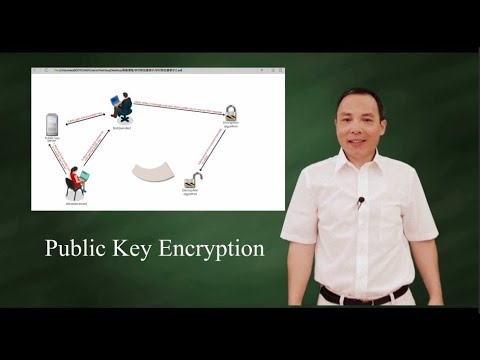
At its core, public key cryptography is like having two keys: a public key and a private key. Think of the public key as an open mailbox. Anyone can drop a letter in (that’s your encrypted message), but only you can take letters out because you have the special key to unlock it (that’s your private key). This way, you can send secure messages without worrying about someone peeking inside.
The magic happens through something called asymmetric encryption. Unlike traditional methods where you use the same key to lock and unlock (like a regular lock and key), here you use different ones. When someone wants to send you a secret message, they use your public key to encrypt that message. Once it’s sent over, only your private key can decrypt it. It’s pretty clever, right?
You might be wondering how this all started. Public key cryptography was introduced in the 1970s by pioneers like Whitfield Diffie and Martin Hellman. Their groundbreaking work was pretty revolutionary! They showed that secure communication could happen even if two people had never met before or shared secrets beforehand.
So why does this matter? Well, think about all the stuff we do online these days: shopping, banking, or even just sending messages. We share sensitive information like credit card numbers or personal details every day. Without public key cryptography keeping things safe, that info would be up for grabs by anyone with bad intentions!
Also important is something called digital signatures. They’re like electronic fingerprints for documents or messages. When you sign something digitally with your private key, everyone can verify it with your public key! It proves that you were the one who sent that message and that no one tampered with it afterwards.
Now let’s talk about some challenges because it’s not all sunshine and rainbows in the world of cryptography! As technology advances (like super-fast computers), there’re growing concerns about how secure current systems really are. There are efforts being made to create what’s called quantum-resistant algorithms. These new systems aim to stand strong against potential threats posed by quantum computing down the line.
In short, public key cryptography is foundational for keeping our digital lives secure and private. It’s built on solid mathematical principles that keep getting better with time—just like any good recipe! So next time you’re typing away on your phone or computer, remember there’s some serious science happening behind the scenes making sure you’re safe and sound.
And hey—next time someone brings up encryption at dinner parties or whatever, you’ll be that friend who knows what they’re talking about!
Mathematics of Public and Private Keys: Understanding Cryptographic Principles in Science
So, let’s chat about something pretty cool: **public and private keys** in cryptography. It might sound a bit heavy at first, but hang with me. Basically, it’s all about keeping our information safe when we’re online.
When you send a message over the internet, you want to make sure that only the person you’re sending it to can read it, right? That’s where these keys come into play. The magic happens through some neat math that helps protect this information.
**Public keys** are like your home address. You can share them with anyone. When someone wants to send you a private message, they use your public key to lock the message up tight. Kind of like putting a letter in a locked mailbox. Only you have the key to open it! This is where **private keys** come in—yours is kept secret and allows you to unlock those messages.
- Encryption: This is the process of converting information into a code so only certain people can read it. Picture this: if I send you “Hello,” encryption turns that into gibberish for anyone else who might intercept it.
- Decryption: This is the reverse process, unlocking that gibberish back into readable text using your private key.
Now here’s where it gets pretty fascinating. The math behind public and private keys often involves prime numbers and modular arithmetic—sounds fancy, huh? In simple terms, imagine picking two big prime numbers and multiplying them together; that gives you a “product.” But figuring out those original primes from the product? That’s tough!
This difficulty is what keeps our information safe. Even with powerful computers, breaking those codes isn’t easy because they would need to guess those primes first.
Let me share an example that really sticks with me: Imagine trying to solve a puzzle with thousands of pieces while blindfolded—that’s what trying to crack someone’s key feels like without knowing their primes!
One more thing—you know how sometimes we need extra security? Well, there’s also something called **digital signatures**! Think of this as signing your name on an important document. Your private key signs off on your messages ensuring they really came from you and not someone else pretending to be you.
- Authenticity: The digital signature proves you’re who you say you are.
- Integrity: If anyone fiddles with your message after you’ve sent it, the signature won’t match when someone tries to check it.
Cryptography is vital for things like online banking or messaging apps—we rely on this stuff every day without even realizing it! It keeps our chats confidential and our money secure.
So remember: public keys lock up messages tight so only your secret private key can unlock them later on. And all of this relies heavily on some pretty clever mathematical principles that keep getting more sophisticated as technology changes.
In the end, even though it’s rooted in deep mathematics, at its core it’s just about trust—trusting that when I send a message or do online business transactions, I know my info stays between us!
Understanding the Limitations of Public Keys in Decryption: A Scientific Perspective
Public key cryptography is like a sealed letter and a public mailbox. You write your message, seal it up, and pop it in that mailbox. Only the person with the right key can open it. But this system has some limitations that are crucial to understand.
One big limitation is the security of the keys. If someone manages to get hold of your private key, that’s basically game over for your security. This highlights why keeping these keys safe is super important. Imagine having a fancy lock on your door but losing the key under a doormat—oops!
Another point is the computational power required for decryption. While public key systems are designed to make it easy to share keys, decrypting messages without a private key still takes a lot of computer juice, especially as messages get longer or when using more complex algorithms. You could say it’s like trying to find your way out of a maze; some mazes are just way harder to navigate than others!
Then there’s the speed factor. Public key encryption can be slower compared to symmetric encryption, which uses the same key for both encrypting and decrypting messages. So if you’re sending tons of quick texts back and forth, this lag can be annoying—like waiting for your friend to reply after you’ve just texted them something funny.
Also interesting is how quantum computing poses new challenges. Quantum computers could potentially break current public-key systems much more easily than classical computers can today. It’s kind of like upgrading from a bicycle to a rocket ship; suddenly everything changes! Researchers are scrambling to develop quantum-resistant algorithms.
Lastly, we have issues with key management. It’s not just about generating secure keys but also about keeping track of them while ensuring they don’t fall into the wrong hands over time. Think about how many passwords you lose track of—it’s tough!
In summary, while public key cryptography offers great privacy benefits and convenience through its unique structure, being aware of its limitations helps us prepare better strategies for secure communication in our increasingly digital lives. So keep those keys safe and stay smart about digital security!
Alright, so let’s talk about public key cryptography. It’s one of those things that sounds super fancy, but when you break it down, it’s really just a clever way to keep your info safe. You know how sometimes we need to send secrets to our friends? Like that time I wrote a silly note and folded it up tightly so no one else could read it? Well, public key cryptography is kind of like that, but way cooler and way more advanced.
Imagine you want to send a secret message to someone, like your best buddy. You wouldn’t just yell it out loud in the street, right? But what if I told you there’s a method where anyone can send messages securely without actually meeting up or sharing secrets face-to-face? That’s where public keys come into play.
So here’s the deal: every person has two keys—one is public and the other is private. You can think of the public key as a big mailbox on your street; anyone can drop letters in it. But only you have the key to open that mailbox and read what’s inside. When someone wants to send you a message, they lock it up using your public mailbox key (the public key) before sending it off. And once it’s locked up tight, nobody else can peek at what they’ve written without your special key.
Now, this might sound all techy and complex, but there’s something super interesting about how secure this process can be. Sure, cracking into something protected can sound enticing for hackers (like the ultimate puzzle), but with current technology and math used in public key systems—especially something called asymmetric encryption—it becomes incredibly tough for them to break in!
Let me take a step back here and share a little story: I once tried to crack my brother’s silly code when we were kids—like turning letters into numbers or using funny symbols. Man, I got so frustrated because he’d created such a clever system! The thing is with this tech we use today; it’s like my brother got millions of extra brain cells working on his code! It makes guessing almost impossible.
But here’s where things get even cooler. This whole setup not only keeps messages secure but also helps verify who sent them. So if you receive a message saying “Hey, let’s meet!” from someone using their unique private key—it must be from them since only they have that special access.
Sometimes I think about all this tech stuff while sitting in coffee shops where people are busy tapping away on their laptops or scrolling on their phones—most likely sharing info online without thinking about safety much at all! It gives me mixed feelings because while we’re living in an incredible age of technology connecting us better than ever before—like reuniting long-lost friends—and making life easier with online shopping or bank transactions… we’re also opening ourselves up for potential snooping!
In short, while we find ourselves tangled in all these complexities of daily life online thanks to advances like public key cryptography—it does provide us some solid protection! It’s neat how math can turn into security for our digital communications. Just remember: whether you’re sending secret notes or important emails… make sure you’re using those keys wisely!