So, picture this: you’re lounging on the couch, binge-watching your favorite show, and suddenly, the main character says something about periods that totally resonates with you. You laugh, because hey, we’ve all been there! Like, why is it that everyone goes on and on about how mysterious our bodies are? Seriously.
Here’s the deal — female reproductive health is like this intricate dance. It’s beautiful but can be super complicated too. You know what I mean? One minute everything’s in sync and the next – bam! – your body throws a curveball.
And guess what? Understanding this stuff isn’t just for doctors or scientists. It affects all of us, no matter who you are. Whether you’re navigating menstrual cycles or dealing with health issues down the line, knowing a bit about how our bodies work can be pretty empowering.
So let’s break it down together. We’re talking about hormones, cycles, and all those fascinating details that make up female reproductive physiology. Trust me; it’s way more interesting than you might think!
An In-Depth Exploration of the Male Reproductive System: Anatomy, Function, and Health Implications in Contemporary Science
Alright, so let’s talk about the male reproductive system. It’s a pretty complex and fascinating area of anatomy and function, and knowing how it all works can help us understand a lot about health on a broader scale. So, where do we start?
The male reproductive system is primarily designed for producing sperm and hormones like testosterone. But it’s not just sperm production; it involves a whole bunch of organs working together seamlessly.
- Testes: These guys are like the factories of the reproductive system. They’re responsible for producing sperm and hormones. Picture them as the bustling production lines in a factory.
- Epididymis: Once the sperm are made, they move to this little coiled tube where they mature and get stored, kind of like letting fine wine age before popping it open.
- Vas deferens: This tube carries the mature sperm from the epididymis to the ejaculatory duct. Think of it as a highway connecting different towns (or in this case, organs).
- Seminal vesicles and prostate gland: These add fluid to the sperm to make semen. It’s like making sure your delivery has all the right packaging for optimum effect!
- Penis: This is perhaps what most people think of when they hear “male reproductive system.” It helps deliver sperm into the female body during intercourse.
The thing is, all these parts need to work properly for everything to function smoothly. When something goes wrong—like low testosterone levels or fertility issues—it can really impact health.
You know, there’s so much that can affect this system: hormonal imbalances, environmental factors, even stress! For example, did you know that obesity can also play a role? Higher body fat can mess with hormone levels and fertility.
If we look at contemporary science, researchers are diving deep into how factors like diet or lifestyle choices can influence male reproductive health. There’s this interesting study I read about that linked diet rich in antioxidants with better sperm quality. Seems like grabbing that extra serving of veggies could be more important than we thought!
Anecdotally speaking, I remember my friend was struggling with fertility issues for some time. After tweaking his diet and hitting the gym consistently—boom! Things changed for him! It’s wild how interconnected our bodies are.
The bottom line? Understanding how everything works together is crucial not just for reproduction but also for overall health too. Staying informed means you might catch any potential problems early on—not only saving yourself some trouble down the road but also ensuring you’re living your best life!
So there you go—a little peek into what makes up the male reproductive system! From its anatomy to its functions—all super fascinating stuff if you ask me!
An In-Depth Exploration of the Female Reproductive System: Anatomy and Functionality in Human Biology
The female reproductive system is a fascinating and complex setup that plays a huge role in human biology. It’s not just about reproduction; it also has a ton of other functions that are vital for overall health. So, let’s break it down.
Anatomy
At its core, the female reproductive system includes various parts, each with its own unique job. You’ve got:
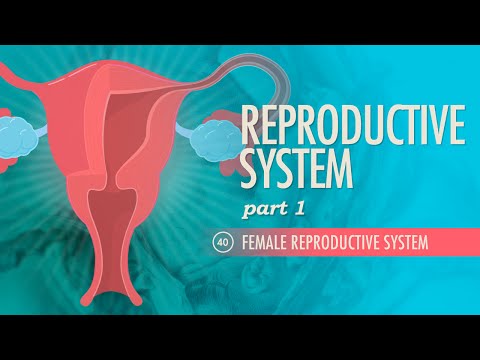
- Ovaries: These are like tiny factories—two almond-shaped organs producing eggs and hormones like estrogen and progesterone.
- Fallopian Tubes: Imagine them as highways for eggs. Once an egg is released from an ovary, it travels down these tubes toward the uterus.
- Uterus: This is where the magic happens! If an egg gets fertilized by sperm, it snuggles into the uterus lining to grow. If not, that’s when you get your period.
- Cervix: The gatekeeper between the uterus and vagina. It opens during childbirth to let the baby out!
- Vagina: This muscular tube connects the outside world to the uterus. It also serves as a birth canal and passage for menstrual fluid.
Each piece works together in a really harmonious way, which is sometimes pretty amazing to think about!
Functionality in Health
Whether or not you want to have kids, this system needs to be healthy for your well-being. Hormones produced by the ovaries regulate menstrual cycles, impacting everything from mood swings to physical health.
A little story here: One time my friend was feeling super down because her cycle was all over the place. She found out she had polycystic ovary syndrome (PCOS), which affects hormone levels. After getting treatment and making some lifestyle changes, she felt so much better! It’s wild how interconnected everything is.
Disease Impacts
Sometimes things go wrong with this intricate system. Conditions can range from mild annoyances to serious health issues:
- Endometriosis: This happens when tissue similar to the lining inside your uterus starts growing outside it—ouch! It can lead to pain and fertility issues.
- Cervical Cancer: Regular screenings like Pap tests can catch early signs of problems—it’s super important!
- Fibroids: These benign growths in the uterus can cause heavy periods or discomfort but aren’t cancerous.
So many women deal with different issues related to their reproductive health, and every experience is unique.
The Menstrual Cycle
Now let’s talk about that monthly rollercoaster ride known as the menstrual cycle. On average, this cycle lasts about 28 days but can vary.
It consists of different phases:
- The Follicular Phase: Starts on Day 1 of your period; hormones signal ovaries to mature eggs.
- The Ovulatory Phase: Roughly around Day 14; a mature egg is released—this is prime baby-making time if you’re trying!
- The Luteal Phase: After ovulation; if no fertilization happens, hormone levels drop leading up to menstruation.
Isn’t it cool how our bodies are naturally programmed? Still, this cycle isn’t just about reproduction—it affects energy levels, mood swings (hello chocolate cravings!), and even skin!
In short, understanding the female reproductive system is all about appreciating how every component works together in harmony or goes haywire when things aren’t right. Awareness makes managing health much easier—and definitely less scary!
Comprehensive Guide to the Female Reproductive System: Downloadable PDF Resource for Scientific Study
Let’s talk about the female reproductive system. It’s one of those things that can feel a bit mysterious, right? But it’s super important for understanding overall health, and let me tell you, it’s pretty fascinating, too!
The female reproductive system is made up of several key parts, each with its own roles. First off, we have the **ovaries**, which are like little factories that produce eggs. Every month, an ovary releases an egg during a process called ovulation. If you think about it, that’s just one of many tiny miracles that happen in our bodies.
Next up is the **fallopian tubes**, which are kind of like highways for the egg. Once an egg is released, it travels through these tubes where fertilization can occur if sperm is present. It’s wild to think about how these little travelers are on such an important mission!
Then we get to the **uterus**—this is where a fertilized egg can implant and grow into a baby if everything works out perfectly. The uterus has several layers and functions like a cozy home for developing life.
Now let’s not forget about the **cervix** and **vagina**. The cervix acts as a gateway between the uterus and vagina; it opens during childbirth to allow a baby to come into the world! The vagina serves as both an exit for menstrual fluid and a passage for sperm on their way to meet an egg.
And here’s something interesting: this whole system doesn’t just work in isolation. It interacts with hormones that regulate everything from your mood to your metabolism. Hormones like estrogen and progesterone play major parts in keeping this system running smoothly.
In terms of health, it’s essential to be aware of conditions that can affect this intricate system—things like polycystic ovary syndrome (PCOS), endometriosis, or fibroids can all come into play at different points in someone’s life. These conditions can cause discomfort and other symptoms that shouldn’t be ignored. Early detection can really make all the difference!
For those wanting a deeper dive into female reproductive physiology—perhaps you’re studying or just curious—there are various resources available online where you might find downloadable PDFs filled with more detailed scientific studies. Just search for trustworthy sites or even academic publications; they often have some excellent info laid out clearly.
So there you have it! An overview of the female reproductive system without diving too deep into overwhelming jargon but still keeping things informative and engaging! If you’re ever curious or want to learn more about specific topics within this area—or really anything else—feel free to keep exploring!
You know, when it comes to female reproductive physiology, it’s like opening a complex book with so many fascinating chapters. It’s amazing how the body works together in harmony—like a perfectly choreographed dance. From the monthly rhythm of the menstrual cycle to the miraculous process of pregnancy, everything seems to have its own purpose.
I remember this one time when my friend was trying to understand her body better. She was feeling a bit out of sorts and was curious if her irregular periods were something serious or just stress messing with her. As we sat down and looked into it together, I realized just how deep and intricate this subject goes. Ovaries, hormones, the uterus—all of these pieces play crucial roles, not just in reproduction but also in overall health.
So, let’s break it down a little: at its core, female reproductive physiology involves hormones like estrogen and progesterone. These two are like the main characters in our story! They control everything from ovulation—when an egg is released—to preparing the uterus for a possible pregnancy. If no pregnancy happens? Well, then menstruation shows up as nature’s way of saying “not this month.”
But what’s really eye-opening is how diseases can throw everything out of whack. Conditions like polycystic ovary syndrome (PCOS) or endometriosis make life complicated for many women. PCOS can lead to missed periods or even weight gain while messing with hormone levels, making things pretty frustrating overall. And then there’s endometriosis, where tissue that normally lines the inside of your uterus starts growing outside it! Imagine that pain and confusion; it can feel like your own body is working against you!
Thinking back to my friend again—after we dove into this topic together, she felt empowered rather than scared. Learning about all this stuff gave her clarity on what was happening inside her own body! It’s incredible how knowledge can help you freak out less about something that feels so overwhelming.
And then there are broader implications for society too; understanding female reproductive health isn’t just about individual experiences but affects public health policies and education as well—think access to healthcare or even breaking taboos around menstruation and women’s health issues.
So yeah, female reproductive physiology is not just biology; it’s a part of life that connects us all in ways we often overlook or strain our eyes trying to see through societal norms. Getting familiar with how it works empowers us to take charge not only for ourselves but also for each other—for healthy lives and healthy communities!