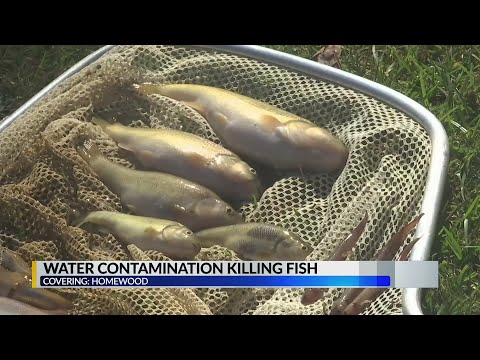
So, you know that feeling when you’re chilling at the beach, right? Picture this: you’re about to dive into the water on a hot summer day, and you spot a fish just chilling there. But wait! What if that fish has been swimming around in polluted water? Yikes!
Fish pollution is like sneaky little ninjas messing up underwater worlds. You might think it’s just an ocean or lake problem, but nope, it’s a big deal everywhere—like your local pond too!
And hey, it’s not just about the fish. It affects everything from the tiniest plankton to the birds swooping down for a snack. When water gets contaminated, we’re all stuck in this messy web of consequences.
So let’s chat about how our waters get polluted and why it matters more than we realize. Ready?
Exploring the Science Behind Water Pollution: Causes, Effects, and Solutions in Environmental Science
Water pollution is a big deal, and it affects fish and other aquatic life in ways that are, honestly, pretty alarming. When we talk about pollution in our lakes, rivers, and oceans, we’re really diving into a complex web of causes and effects. Let’s break it down a bit.
First off, what causes water pollution? Well, there are several culprits doing the dirty work:
- Industrial waste: Factories often dump chemicals and heavy metals into waterways. This stuff can be super toxic!
- Agricultural runoff: When it rains, fertilizers and pesticides wash off fields and into rivers. This can lead to algal blooms.
- Sewage discharge: Untreated or poorly treated sewage can introduce harmful bacteria and nutrients into water bodies.
- Plastic waste: Plastics that find their way to the ocean break down into tiny microplastics, which fish can ingest easily.
So here’s the thing: once these pollutants enter the water, they don’t just sit around. They start interacting with the ecosystem. I remember fishing with my grandpa when I was a kid; he’d always tell me stories about how clean the rivers used to be. Nowadays? Sometimes it feels like you need a hazmat suit just to dip your toes in!
The effects of water pollution on fish are pretty serious. For starters:
- Toxicity: Many pollutants are harmful or even deadly to fish. Heavy metals like mercury can accumulate in their bodies over time.
- Habitat destruction: Pollutants can destroy habitats where fish spawn or find food.
- Biodiversity loss: When certain species die off due to pollution, it messes up the whole ecosystem balance.
You might think all of this is bad enough on its own—but wait! It gets worse: humans eat these fish! So when we catch them from polluted waters, we might end up consuming those toxins too. Crazy thought when you’re salmon fishing on a sunny day.
Now you may wonder if there’s anything being done about this environmental mess? Thankfully, there are solutions!
- Tighter regulations: Governments are gradually enforcing stricter laws on industrial waste disposal.
- Sustainable farming practices: Farmers are starting to adopt methods that reduce runoff into water sources by using fewer chemicals.
- Community cleanup events: Many organizations get locals involved in cleaning up beaches and riverbanks—every bit helps!
It’s like people have finally realized: protecting our water means protecting everything that depends on it—including us!
So basically, **water pollution** isn’t just an environmental issue; it’s deeply connected to health and community well-being too. You’ve got industries working to cut down their waste impact while communities rally together for cleaner waterways—all part of making sure future generations can enjoy those fishing trips my grandpa loved so much. Exciting times ahead if we all pitch in!
Understanding the EWG Fish Study: Insights into Environmental Health and Seafood Safety
The EWG Fish Study has some serious implications about the health of our waters and the fish we eat. So, you might be wondering, what’s the deal? Basically, this study dives into how pollutants are getting into our waterways and affecting seafood safety. It’s important, you know?
First off, let’s talk about **pollutants**. These are harmful substances that end up in water bodies due to various human activities. Think industrial waste, agricultural runoff, or even plastic littering the oceans. The crazy part is that fish can ingest these toxins through water or by eating contaminated prey, which leads to a whole chain reaction of issues for both fish and humans.
Now here’s something to consider: according to the EWG findings, certain fish species show higher levels of contaminants like **mercury** and **PCBs** (polychlorinated biphenyls). These are not just big words; they’re dangerous chemicals linked to serious health effects such as neurological problems in children and increased cancer risks. So if you’re munching on some fish tacos thinking they’re healthy, it’s worth being cautious.
The study also highlights how **geography** plays a huge role in pollution levels. Depending on where they’re caught, different species can carry different toxin loads. For instance:
- Striped bass from polluted rivers might have more contaminants than those caught in cleaner lakes.
- Salmon, while packed with omega-3s and good for your heart, can also be risky if they come from heavily polluted waters.
This means that not all seafood is created equal! It’s good to get familiar with local advisories about fish consumption based on where they were sourced.
I remember a friend of mine who was super excited about trying new sushi places around town. But after sharing some concerns about potential toxicity in some types of fish due to pollution, it made him rethink his choices—like literally going back to basics! Eating fresh local catches became his mission instead! Makes sense when you consider what’s going on with our environment.
Also important is understanding **bioaccumulation**, which is a fancy way of saying that toxins build up in an organism over time. As smaller creatures get eaten by bigger ones in the food chain, those toxins concentrate even more. Imagine a tiny fish eating contaminated algae; then a bigger fish eats hundreds of those tiny guys—now we’ve got a real problem when it gets served up at dinner!
So basically: stay informed! Look out for studies like EWG’s because they shine a light on what’s happening beneath the surface—literally! Responsible fishing practices and sustainable seafood choices can help mitigate these issues too.
In short: while enjoying seafood can be delish and nutritious, it pays off to know where your food comes from and what potential contaminants might lurk within your meal. Keeping tabs on these studies helps ensure we’re all doing our part for healthier oceans and safer dining plates down the road!
Impact of Water Pollution on Ichthyology: Analyzing How Pollutants Affect Fish Health and Ecosystems
Water pollution isn’t just an annoying problem; it hits aquatic life hard, especially fish. When we think about the health of our lakes, rivers, and oceans, we really gotta consider how pollutants mess with fish and their ecosystems.
First off, **water pollutants** come in various forms—chemical runoff from farms, trash floating around in rivers, or even things like plastic and heavy metals. They seep into water bodies and wreak havoc. For instance, **pesticides** used on crops can wash into streams during rainstorms. Once they’re in the water, they can disrupt fish hormones and even affect their reproduction.
Fish are super sensitive to changes in their environment. Imagine trying to swim through a pool full of goo; that’s kinda what it’s like for them when they encounter pollution. The toxins can lead to physical deformities or weakened immune systems. Seriously! A fish exposed to heavy metals might develop lesions or have trouble swimming effectively.
Another impact is on the food web. Fish don’t exist in a vacuum; they’re part of a broader ecosystem where they rely on other organisms for food and vice versa. When pollutants kill off smaller organisms or cause algae blooms—turning clear water murky—it messes everything up. Algal blooms reduce oxygen levels in the water, leading to **dead zones** where life can’t thrive.
And check this out: some pollutants accumulate in fish bodies through a process called **bioaccumulation**. As small creatures absorb toxins from contaminated water, bigger fish eat them, leading to higher concentrations of chemicals as you go up the food chain. That means when you catch that big bass for dinner? It might be loaded with harmful substances!
The thing is, even if we don’t see immediate effects of pollution on fish populations by looking at numbers alone, there’s often more happening beneath the surface—so to speak! Changes can lead to declines in species diversity or even drive some types completely extinct.
Here’s another layer: research into how pollution affects the development of young fish is ongoing but crucial! These little guys are super vulnerable during their early stages. For example, exposure to certain chemicals during development might lead to behavioral changes that make them easy prey for predators.
If we step back and look at all this together—pollution affects not just individual fish but whole ecosystems! Healthy ecosystems support biodiversity which is vital for resilience against environmental changes.
So next time you think about throwing something away near a body of water or using harsh chemicals in your garden, remember: those choices ripple outwards—impacting not just one species but entire communities underwater!
We’ve got a long way ahead concerning reducing pollution and fostering healthier aquatic environments but having conversations about it makes a difference! Every little action counts towards cleaner waters for future generations—not just for us but for our finned friends too!
You know, it’s kinda wild when you think about it. I mean, we’re all aware that fish live in water, right? But what about the water they swim in? That stuff can get pretty nasty if we’re not careful. Fish pollution, or water contamination as the scientists say, is more than just a bad smell or murky appearance; it’s a serious issue affecting our ecosystems and our health.
So, picture this: You’re at a lake on a sunny day, fishing with your buddies. It’s peaceful and calming, right? Now imagine reeling in a fish only to discover its belly full of plastics or other junk. Gross! This isn’t just happening in tales; it’s real life. Chemicals and waste from industries can seep into rivers and oceans, creating toxic environments for fish. It’s heartbreaking to think of all living creatures affected by human negligence.
When we talk about water contamination, there are some heavy hitters involved—heavy metals like mercury and lead can linger in the water for ages. Then you’ve got pesticides and fertilizers from agriculture washing into rivers. And let me tell you, those bad boys aren’t just harmful to fish; they can make their way up the food chain to say, I dunno… your dinner plate?
The science behind it is complex but fascinating. Microplastics are breaking down into tiny particles that even filter feeders can’t escape from. When fish ingest these particles thinking they’re food? Well, that’s where things go downhill fast. Not only do these pollutants harm their health but they also affect us when we consume contaminated seafood.
Honestly though, addressing this problem requires us all to step up—even little changes make a difference! Imagine if each one of us picked up litter during beach days or supported sustainable fishing practices. That could start turning the tide against pollution!
So yeah, while fishing may seem like simply spending time outdoors with friends and family—it’s also an essential piece of the puzzle in understanding how our environment thrives (or struggles). The next time you’re by water—whether it’s flicking that lure or just chilling by the shore—think about what’s lurking beneath the surface and how we all can help keep those waters clean!