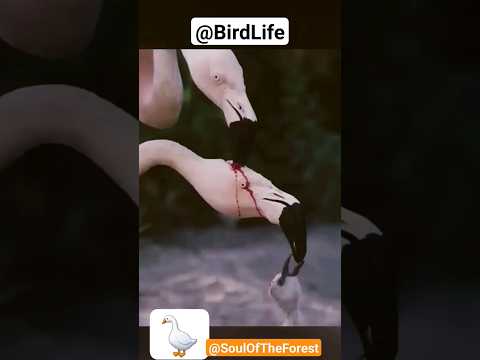
So, I was scrolling through my feed the other day when I stumbled upon this photo of a flamingo standing on one leg. Seriously, it got me thinking—why do they do that?
I mean, here are these fabulous pink birds, looking like they’re ready for a yoga class! But there’s gotta be more to it than just being quirky and stylish, right?
You might think flamingos are just all about the looks, but there’s some serious science behind their behavior. Turns out, they’re way more interesting than we give them credit for!
Stick around and let’s unravel some cool stuff about what makes these feathered friends tick. You’re gonna love this!
Exploring Flamingo Behavior: Insights and Findings from Scientific Research (PDF)
Flamingos, those pink wonders of the bird world, have some seriously interesting behavior. They’re not just pretty to look at; their actions tell us a lot about their social lives and environmental needs. So, let’s chat about some key insights from scientific research on flamingo behavior.
Social Structure
Flamingos are highly social creatures. You’ll often find them in large groups called colonies. These colonies can consist of hundreds or even thousands of birds! Living in groups helps them stay safe from predators and make it easier to find food. When you see a bunch of flamingos, it’s really a community working together.
Feeding Habits
Their feeding behavior is also pretty wild. Flamingos are filter feeders, meaning they eat by sifting through mud and water with their unique beaks. They have a special adaptation that lets them feed upside down! Just picture this: their heads are submerged while their feet stir up the bottom muck to find tiny organisms like algae and shrimp. Pretty clever, right?
Mating Rituals
Now, let’s talk romance—flamingo style. When it comes time to mate, these birds put on quite the show! Male flamingos will perform elaborate dances involving head bobbing and preening to attract females. It’s like a dance-off where the winner gets to mate! Research has shown that this behavior not only impresses potential partners but also strengthens bonds within their groups.
Communication
Flamingos have a range of vocalizations they use to communicate with each other. They don’t just squawk randomly; each call has a specific meaning, whether it’s alerting others about danger or coordinating movements while foraging for food together. Imagine being part of such a chattering crowd—it must feel quite energetic!
Breeding Behavior
When breeding season rolls around, flamingos create large nests made from mud and plant materials. The female lays one egg at a time, which both parents take turns incubating. And here’s something cool—after hatching, the chicks are gray instead of pink! They don’t get that vibrant color until later when they start eating those carotenoid-rich foods.
In summary, studying flamingo behavior offers fascinating insights into their social dynamics, feeding methods, communication strategies, and breeding rituals. Their quirky interactions with each other and the environment showcase the adaptability of wildlife in various ecosystems.
So next time you spot these stunning birds wading through shallow waters or displaying in unison on one leg, remember—you’re seeing more than just beauty; you’re witnessing an intricate tapestry of behaviors woven together by nature itself!
Exploring Flamingo Behavior: Key Insights from 2021 Scientific Research
So, flamingos. They’re those stunning pink birds that wade around in shallow waters, right? They look so elegant and graceful, but there’s way more going on with them than just pretty feathers. In 2021, researchers dug deep into various aspects of flamingo behavior that are super interesting. Buckle up as we explore what they discovered!
Social Behavior
Flamingos are really social creatures; they thrive in large groups called colonies. These massive gatherings aren’t just for show, though. Researchers found that living in such big numbers helps flamingos stay safe from predators and increases their chances of finding food. Imagine trying to find a snack all alone; it would be tough! But with friends around, you can chat and work together to locate tasty morsels.
Communication
Now, here’s where things get cool. Flamingos communicate through a variety of sounds and body movements. They have honks, grunts, and even a kind of “dance” where they move together in sync. This synchronized behavior isn’t random; it can strengthen bonds within the flock and is crucial during mating rituals. Seriously, nothing says “I’m ready for love” like a good dance-off with your potential partner!
Feeding Habits
What about their diet? Flamingos are filter feeders—kinda like nature’s straws! They use their unique beaks to sift through water and mud for tiny shrimp and algae. Research has shown that the availability of these food sources can influence their group dynamics. For instance, if there’s less food in one area, you might see some flamingos moving to find better feeding grounds, which could alter their social structures.
Nesting Behavior
When it comes time to raise little flamingos—called chicks—they’re surprisingly dedicated parents! The 2021 research delved into how environmental factors impact nesting behaviors. Flamingos build nests made from mud and plant material in colonies to protect them from disturbances. If the water levels change or there are too many intruders (like pesky predators), they might abandon their nests or even shift locations entirely.
Mating Rituals
Mating season is wild! Male flamingos perform elaborate courtship displays to impress females during this time. They flap their wings, shake their heads, and march around like they’re strutting down a runway! It turns out these rituals are not just for fun; they help females choose high-quality mates based on how well they perform these dances.
Adaptation and Climate Change
Interestingly enough, recent research also looked at how climate change affects these beautiful birds. Changes in habitat due to rising temperatures or altered water levels can significantly impact nesting sites or food availability. Some flamingo populations might adapt by changing migration patterns or altering breeding timing—but it’s still something scientists keep an eye on as conditions evolve.
So there you have it! The world of flamingo behavior is rich with social interactions, communication styles, feeding habits—really everything about them is fascinating when you break it down! It’s almost like there’s this whole other world happening right under our noses as we admire their graceful poise from afar!
Exploring Flamingo Behavior Adaptations: Insights from Ethology and Ecology
Flamingos are some of the most fascinating creatures on our planet. When you see a flock of them standing on one leg, it’s hard not to be curious about why they do that. Their behavior isn’t just random; it’s packed with adaptations to help them thrive in their unique environments.
Social Behavior is a big part of what makes flamingos special. They’re highly social birds, often seen in large groups. This social structure helps with feeding and breeding. Being around lots of other flamingos allows them to find food more easily, especially since they have a unique way of feeding that involves filtering water through their beaks. Basically, the more eyes you have looking for food, the better your chances! Plus, being in a group helps keep predators at bay.
Another interesting aspect is their courtship displays. Flamingos go through elaborate mating rituals, which include synchronized movements like head flagging and wing flapping. It’s quite a sight! These displays aren’t just for show—they help ensure that the strongest and healthiest individuals breed together. That way, the next generation has better chances of survival.
- Feeding Mechanisms: Flamingos eat by dipping their heads upside down in water and using their specialized bills to filter tiny organisms like brine shrimp and algae. This feeding method requires flexibility and skill.
- Nesting Behavior: They build nests out of mud and lay only one egg at a time. The parents take turns incubating the egg, which keeps it safe from potential threats.
- Coloration: Flamingos are famous for their pink color, which comes from the carotenoid pigments in their food. The more pigments they consume, the brighter they get! Isn’t that neat?
You might think about how important habitat conservation is for these birds as well. Flamingos often live in shallow lagoons or lakes where they can find food easily. If these habitats are disturbed by pollution or climate change, flamingo populations can really suffer.
I remember watching a nature documentary once where they showed flamingo chicks learning to feed themselves—there was this adorable moment when one little chick got its beak all muddy trying to mimic its parents! It made me realize how crucial those early learning experiences are.
If we take a closer look at ethology, we see how behavior directly relates to environmental challenges faced by flamingos every day. Their adaptability is not just about survival; it also reflects amazing communication skills within their flocks.
The thing is, studying flamingo behavior provides valuable insights into ecological health as well. A thriving population suggests good environmental conditions while declining numbers can serve as red flags for other species sharing similar habitats.
So next time you see those stunning pink birds wading gracefully through water or standing on one leg (which scientists think helps conserve body heat), remember there’s so much more happening beneath that gorgeous exterior!
Flamingos, right? Those tall, quirky birds with their stunning pink feathers. I mean, who doesn’t stop and stare when they see a flock of them? They almost look like they’re in their own little world. You might think they just wade around looking pretty, but there’s so much more going on in their lives that’s just, well, fascinating.
So here’s the deal: flamingos have this incredible social structure. They’re super gregarious, which is just a fancy way to say they love being in groups. Seriously! They often gather in massive colonies that can include thousands of birds. Imagine that sight! Watching thousands of flamingos swirl together in vibrant pink hues while they forage for food is like nature’s ballet.
Their feeding behavior is pretty cool too. Flamingos sift through mud and water with those unique beaks of theirs—like little straws—and it’s not as easy as it looks! They actually filter out tiny organisms by using their tongue to pump water out. I remember once seeing a documentary where researchers took us step by step through the process. It was astonishing how precise and synchronized these birds are while feeding!
And let me tell you about their mating rituals; they’re wild! They perform these intricate dances that involve head movements and synchronized steps. Talk about teamwork! It reminds me of that time watching a wedding flash mob—everyone knows their part, but it all looks spontaneous and joyful at the same time.
What really caught my attention is how flamingo parents raise their chicks. Unlike many birds that may just hatch and leave their young ones to fend for themselves, flamingos are dedicated caregivers. Both mom and dad work together to feed and protect the little ones for weeks after hatching. This sense of partnership really resonates with me; it makes you think about how important community is—whether among humans or these magnificent birds.
But here’s something interesting: flamingo color isn’t natural at birth; chicks are gray! The vibrant pink comes from the beta-carotene in the foods they eat—like algae and shrimp—which makes me wonder about our own diets too. It’s all interconnected—you are what you eat after all!
When I reflect on flamingo behavior influenced by science, I realize we can learn so much from them about teamwork, nurturing relationships, and even adapting to environments through diet changes. Next time you see those iconic pink figures flicking through shallow waters, remember: they’re not just standing there looking elegant; they’re living life with flair!