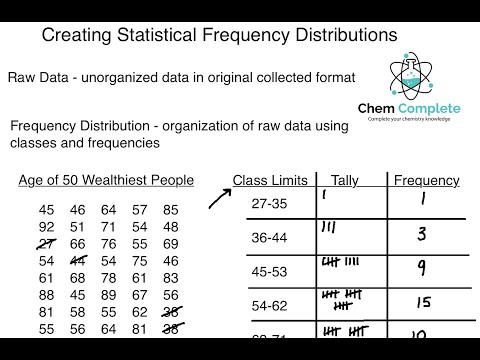
Have you ever counted how many times you’ve eaten pizza in a month? Seriously, if you’re anything like me, that number might surprise you!
So, picture this: you’ve got all these numbers swirling around in your head. Maybe it’s the scores of your favorite video games or how often your friends text back. It can get pretty chaotic, right?
That’s where frequency distribution struts in like a superhero. It’s all about organizing those numbers into neat little categories so they don’t look like a jumbled mess.
It’s a cornerstone of stats, but honestly, it’s just a way to make sense of all that data we encounter every day. And trust me, once you get the hang of it, you’ll be looking at numbers in an entirely new light!
Understanding the Importance of Frequency Distribution in Statistical Analysis for Scientific Research
Alright, let’s chat about frequency distribution in statistical analysis—it’s actually a pretty cool concept. You may have heard the term thrown around like confetti at a party, but what does it really mean? Well, stick with me here.
Frequency distribution is all about how often different values show up in a dataset. Imagine you’re counting the number of different colored marbles in a bag. If you’ve got a lot of red marbles, fewer blue ones, and even fewer green ones, you can see that red is the most common color. This visual representation of data can help you understand patterns and trends at a glance.
So why should we care about it? Here are some key reasons:
- Data Organization: Frequency distribution makes it super easy to organize and visualize data. Instead of sifting through endless numbers, you get a clear picture of how data points stack up against each other.
- Identifying Patterns: By seeing which values appear most often (or least often), you can spot trends or anomalies in your data. For instance, if you’re analyzing test scores in a classroom and notice most students scored below average, that could indicate some underlying issue with teaching methods or materials.
- Statistical Analysis: Frequency distributions form the foundation for various statistical tests and analyses. When researchers apply tests like the t-test or ANOVA, they rely on these distributions to make sense of their results.
- Simplicity: They simplify complex datasets into easily digestible information through graphs like histograms or bar charts. You know those colorful charts that make you feel like an expert when you look at them? That’s frequency distribution doing its magic!
I remember once working on a research project where we collected data on wildlife sightings during fieldwork. At first glance, the numbers were overwhelming! But once we set up our frequency distribution chart—bam! We could see which animals we encountered most frequently and which were rare sightings.
This method doesn’t just help researchers organize data; it also allows for better decision-making based on evidence rather than guesswork. For instance, if conservationists want to protect an endangered species based on limited sightings, understanding those frequencies helps direct resources effectively.
No doubt about it—frequency distribution isn’t just some abstract concept lost in textbooks; it’s essential for making sense of the world around us through science! So next time you hear someone mention it, you’ll be all set to nod knowingly and maybe even share your newfound wisdom!
Exploring Frequency Distribution as a Vital Statistical Tool in Scientific Research
Frequency distribution is one of those statistical tools that might sound a bit fancy at first, but once you get the hang of it, it’s like having a trusty map in the world of data. Basically, it helps you organize and visualize your data so that you can see patterns and trends more easily. So, let’s break this down!
When researchers collect data, they often end up with a lot of numbers. Imagine you survey 100 people about their favorite ice cream flavors. You might get responses like chocolate, vanilla, strawberry—maybe even some wild choices like pistachio! Now, if you simply list these flavors, it could be hard to see which ones are the most popular. This is where frequency distribution struts in.
A frequency distribution shows how often each value occurs in your dataset. You can think of it as counting how many people selected each flavor and then organizing those counts neatly. For instance:
- If 40 chose chocolate
- 30 picked vanilla
- 20 went for strawberry
- 10 liked pistachio
Now you’ve got a clear picture! And from this simple breakdown, you can see right away which flavor reigns supreme.
But here’s where it gets even cooler: frequency distributions can take different forms! You might come across histograms or bar charts when looking at data visualizations. The main idea? They show the same information but in a way that makes trends pop out visually. A histogram uses bars to show frequencies for ranges of values—like how many scores fell between 70-80% on an exam.
One time I was working on a project analyzing student test scores for fun—I mean who doesn’t want to know if they’re better at math than their friends? We created a frequency distribution to see how many students fell into different score brackets. What was eye-opening was seeing clusters of scores around certain ranges; it made me realize that maybe our study techniques weren’t so great after all!
A very useful aspect of frequency distributions is identifying outliers. Let’s say everyone scored between 60 and 90 on that test but one unlucky student scored a 35; that would stick out like a sore thumb! Spotting these outliers quickly helps researchers understand if there were errors in data collection or if there are unique cases worth investigating.
So now that we’ve covered the basics, here’s why this tool is vital in research:
- Simplifies Data: It takes complex datasets and breaks them down into digestible bits.
- Visual Insights: By using graphs and charts, researchers can identify patterns more easily.
- Aids Comparisons: Frequency distributions let us compare different datasets side by side effectively.
- Informs Decisions: The insights gained help scientists form hypotheses or draw conclusions based on observed trends.
You see? Frequency distribution isn’t just some abstract concept; it’s something super practical. It forms the backbone for many analyses across fields—from psychology to economics to biology.
Like when testing new medications; scientists will look at how often side effects occurred in trial participants using frequency distribution tables—it makes sense to know which reactions were common and which were rare before pushing something to market.
So next time someone mentions stats or numbers in research, remember the magic behind frequency distributions! They’re like friendly guides helping us navigate through piles of information to find meaning and clarity. Seriously cool stuff!
Understanding the Four Types of Frequency Distributions in Scientific Research
So, let’s chat about **frequency distributions** in scientific research. It’s one of those foundational concepts that helps you make sense of data, especially when you’re trying to uncover patterns or trends.
First off, what’s a frequency distribution? Well, it’s basically a way to organize data so you can see how often certain values occur. You can think of it like putting all your shoes in different boxes based on color—it’s a neat way to visualize chaos! There are four main types of frequency distributions that researchers commonly use. Let’s break them down.
1. Normal Distribution: This one is like the classic bell curve shape. Most values cluster around a central mean, and the frequencies drop off symmetrically on either side. For example, think about people’s heights. Most folks are around average height, and not too many are super tall or super short.
2. Skewed Distribution: This type isn’t symmetrical at all. There are two kinds here: positive and negative skewness. In a positive skew, the tail on the right side is longer; imagine income levels where most people earn modest salaries but a few people pull in astronomical figures—that skews the average up! In contrast, negative skewness has that left-hand tail stretched out more; consider exam scores where many students do well but a few bomb it—this can drag the average down.
3. Bimodal Distribution: As the name suggests, this one has two different peaks (or modes). Picture this: you’re looking at test scores from two different classes taking the same exam; one class gets high scores while another doesn’t do so hot at all. The result? Two peaks in your graph! It indicates two distinct groups within your data set.
4. Uniform Distribution: Here’s where things get interesting—each outcome has roughly the same frequency! Think of rolling a fair die; each number from 1 to 6 shows up about equally over time if you roll it enough times. So it’d look pretty flat if you graphed it out.
Understanding these four types helps researchers draw conclusions and make predictions based on their findings because they guide how we interpret data trends and anomalies.
In scientific research, getting comfortable with frequency distributions means better insights into what those numbers really mean for real-world problems or experiments you’re tackling—you know? They help clarify things, making sure we’re not just looking at raw numbers but actually understanding what they say about our world.
So next time you’re sifting through some data, just remember: frequency distributions aren’t just jargon; they’re tools for making sense of complexities—and who wouldn’t want to understand that better?
Alright, so let’s chat about frequency distribution. It sounds super technical, but really, it’s just a way to make sense of data. Imagine you’ve got a bag of jellybeans, right? If you want to know how many of each color you have, you’d probably sort them out first. That’s kind of what frequency distribution does for data! It helps us organize and summarize information in a way that makes it easier to see patterns.
Picture this: back when I was in high school, I did a science project on favorite ice cream flavors. I collected data from my classmates and ended up with all these numbers that didn’t mean much on their own. But when I created a frequency distribution table showing how many people liked chocolate versus vanilla or strawberry, the whole thing came alive! Suddenly, I could see trends—everyone seemed to go crazy for chocolate. It was such a simple act of organizing the information that made it clear and engaging.
Basically, frequency distributions help scientists—and really anyone dealing with data—understand what they’re looking at without getting lost in the numbers. You start with raw numbers (like those jellybeans again) and then transform them into something visual like graphs or tables. This makes it easier to spot outliers or trends over time.
And it’s not just about pretty charts! Think about anything involving statistics: from sports to medicine to social sciences. The ability to break down large sets of data into understandable chunks is crucial for making informed decisions. If researchers want to understand the impact of a new drug or how many people prefer pineapple on pizza (there’s always debate there!), they can quickly visualize their findings using frequency distributions.
So yeah, next time you hear someone talk about this statistical cornerstone, remember—it’s really about making sense of all those numbers swirling around us every day! Whether it’s understanding your friend circle’s taste in snacks or analyzing climate change data, frequency distribution is there behind the scenes helping us get clarity out of chaos.