So, picture this: you’re at a party, right? You’re chatting with that one friend who just loves throwing around genetic jargon like it’s confetti. CRISPR this, alleles that—you’re nodding along but inside you’re, like, wait, what???
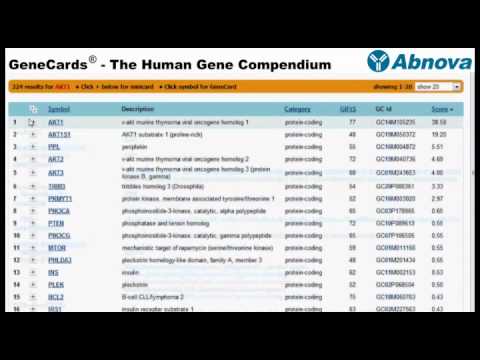
Well, turns out there’s a pretty nifty tool out there that can help bridge the gap between all that fancy talk and regular folks like us. It’s called Gene Cards. Sounds kinda cool, huh?
Imagine a treasure chest filled with secrets about genes and proteins—all laid out for you in a way that’s actually fun to explore. Seriously! It’s not just about complicated science; it’s about discovering how our DNA shapes everything from our health to our quirks.
Stick around! We’re gonna dig into why these Gene Cards are your new best buds in the world of genetics.
Enhancing Gene Research: The Role of GeneCards in Advancing Genetic Discovery
Gene research, huh? It’s a pretty vast topic, but let’s break it down a bit and look at how GeneCards plays a significant role in advancing our understanding of genetics.
So, GeneCards is like this giant online database that gives you tons of info about genes. Imagine trying to find everything about your favorite band—like their songs, albums, and past concerts—all in one place. Well, GeneCards does that for genes! It collects data from various sources and makes it super accessible for researchers and anyone interested.
First off, one of the coolest things about GeneCards is its comprehensiveness. You can find information on thousands of human genes here! This not only includes basic details like where the gene is located in the DNA but also how it functions. You know—what proteins it makes and what biological processes it’s involved in.
The connectivity feature is another neat aspect. Each gene entry links related information across different biological databases. So if you’re looking up a gene related to a disease, you can instantly see connections with other genes or relevant pathways. It’s like following a trail of breadcrumbs that leads you to more knowledge!
Another point worth mentioning is the gene expression data. Researchers can see when and where specific genes are turned on or off in different tissues or conditions. For instance, if you’re studying cancer, knowing which genes are overactive can provide insights into steps needed for treatment.
Now, let’s talk about accessibility. In science, sometimes finding information feels like searching for a needle in a haystack. But with GeneCards being user-friendly, even those who aren’t geneticists can understand basic concepts and get valuable insights without feeling overwhelmed. It’s designed so that anyone curious about genetics can explore without needing an advanced degree!
You might also be interested to know that GeneCards includes clinical information. This means researchers working on diseases can find details on gene-disease associations easily. Think about how crucial this is when developing new therapies or making diagnoses! Having quick access to this data could really speed up research work.
Finally, there’s the aspect of community collaboration—a big deal nowadays! Users often contribute by adding new findings or correcting existing info to keep things updated. You get this sense of teamwork among scientists all over the globe working together toward greater genetic understanding.
In short, GeneCards acts as an essential gateway to genetic knowledge and research. Whether you’re deep into genetic studies or just curious about how our DNA shapes who we are, it’s hard to ignore its impact on advancing discoveries in genetics! The next time you think about genes or diseases related to them, remember there’s a whole world of information just waiting at your fingertips through platforms like these.
Exploring GeneCards: Comprehensive Insights on Gene Variants in Genetics Research
GeneCards is like a treasure trove of genetic information, offering insights into gene variants that play crucial roles in various fields of genetics research. If you’re curious about how genes work or how they can impact health and disease, this database is a good starting point.
So, what exactly are gene variants? Well, they’re basically changes in the DNA sequence of a gene. These changes can be tiny—like swapping one letter in the genetic code—or bigger shifts that stretch across many letters. Some variants might have no effect at all, while others can contribute to diseases or influence how we respond to medications.
One of the cool things about GeneCards is its ability to compile data from numerous sources. Think of it as a big library where all the important books on genes are gathered in one place. You’ll find information on gene functions, associated disorders, and even links to relevant literature. It saves researchers loads of time!
When you’re delving into a specific gene using GeneCards, you may come across various features:
- Gene Summary: This gives a brief description of what the gene does and its role in biological processes.
- Variations: This section details known variations for that gene and what effects they might have.
- Expression: Here, you can find where and when that particular gene is active in different tissues.
- Pathways: This links genes to metabolic pathways they are involved in—kind of like their job descriptions!
And let’s not forget about disease associations. Many genes are linked to specific conditions. For instance, if you look up BRCA1—a gene famous for its role in breast cancer—you’ll see how certain variants increase an individual’s risk for developing the disease. Understanding these connections is vital for personalized medicine.
Imagine being a researcher trying to find out why someone developed diabetes; using GeneCards allows you access to all the known variants linked with glucose metabolism genes! You can dive deep into which ones were affected and possibly figure out treatment options.
That said, while GeneCards is powerful, it’s important to remember it’s not the only resource out there. Researchers often cross-reference its information with other databases like dbSNP or ClinVar for further validation or more detailed data about specific variants.
In summary, GeneCards acts as an entry point into the expansive world of genetics research. With its comprehensive insights on gene variants, it helps scientists and curious minds alike piece together the puzzles of our genetic makeup. Just imagine all those scientists working collaboratively across disciplines—all thanks to accessible databases like this!
Understanding the GeneCards Website: A Comprehensive Resource for Gene-Related Information in Science
The GeneCards website is like a treasure chest for anyone interested in genes. When you land on the page, it’s all about making complex genetic information feel a bit more accessible. You see, GeneCards is essentially a database that collects and organizes details about human genes. It’s like having a library full of books on every gene written in plain language.
So what can you find there? Well, for starters:
- Gene summaries: Each gene has its own page with a summary that explains what the gene does. Think of it as the gene’s bio. You get to know its functions, associated diseases, and even where it’s located in the genome.
- Gene expression: The site provides info on how active certain genes are in different tissues. It’s like looking at a heat map showing which genes are buzzing with activity in your heart versus your brain.
- Variants: You’ll also find details about genetic variants linked to diseases. If you’re curious about why someone might have a higher chance of developing something because of their genes, this is where to look.
- Pathways: GeneCards includes pathways related to various functions, giving you insight into how these genes work together—kind of like seeing the whole team dynamics on a sports field.
Using GeneCards can feel overwhelming at first, but once you get the hang of it, it’s pretty intuitive. Imagine you want to learn more about “BRCA1,” a gene famous for its connection to breast cancer. Just type “BRCA1” into the search bar, and boom! You’ll see all sorts of information laid out clearly.
I remember when I first discovered GeneCards during college—a friend was worried about her family history with breast cancer and wanted more info. We stumbled upon this site together and found pages filled with insights that not only helped her understand BRCA1 better but also gave us hope through knowledge.
Navigating through GeneCards gives you not just raw data but context around each piece of information. The site links out to relevant studies and publications too! This connects users with ongoing research so if you’re feeling adventurous, you can go down that rabbit hole.
And let’s give credit where credit’s due: they keep updating the database as new research emerges. Genetic info is always evolving, so having resources that stay current is super valuable.
In essence, if you’re diving into genetics—be it for research or personal curiosity—GeneCards serves as an excellent starting point or reference guide. Just remember to take your time exploring; there’s no rush when unraveling the mysteries behind our very DNA!
You know, the whole idea of gene cards is like opening a treasure chest brimming with secrets about our DNA. Seriously, it’s pretty mind-blowing to think we can have this kind of blueprint that tells us so much about what makes us tick. Gene cards are these super handy tools that scientists put together to summarize gene info—like where a gene is located, what it does, and how it interacts with other genes. It’s all laid out in a way that makes it accessible for researchers and curious minds alike.
I remember sitting in my high school biology class, feeling totally lost as we talked about genetics—chromosomes and alleles flying around like some kind of science jargon tornado. But then one day, our teacher shared this story about someone who uncovered their genetic predispositions through gene cards. It hit me then, how personal and relatable genetics can be! This stuff isn’t just abstract theories; it can tell you about your health risks, traits you might pass on to your kids, or even what kind of diet might suit you best.
And here’s the thing: having access to gene cards opens up so many possibilities for research and medicine. Think about it! Scientists can dive into understanding diseases better by looking at the specific genes involved. This means potential breakthroughs in treatments that could save lives. A little while back, read somewhere that researchers used gene card data to develop a targeted therapy for a rare form of cancer. Wow!
Moreover, they’re also a bridge between complex genetic concepts and the everyday person. You don’t need to be a genius or have a Ph.D. in genetics to grasp what’s going on anymore. The information is there for us! Of course, there are still some ethical questions swirling around like whether we should even have access to certain genetic information or not.
But all this really serves as a reminder of how interconnected we are through our genes—like threads weaving together the vast tapestry of life on Earth. And as more people get involved in exploring their own genetic blueprints via these cards, who knows what else we will discover? A world full of possibilities awaits!