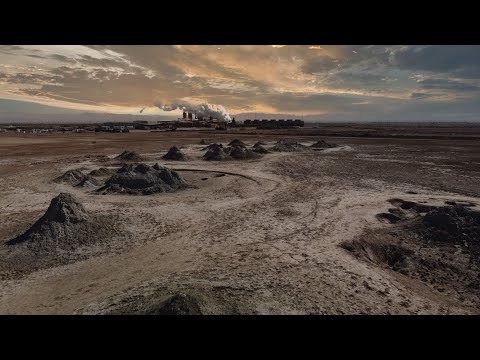
You know, I once thought “geothermal energy” was just a fancy way to say “hot springs.” But, boy, was I wrong! It’s actually way cooler than that!
Picture this: the Salton Sea Basin, this weird blend of desert and water. It’s like nature’s own little laboratory cooking up some hot energy potential. Seriously, it’s bubbling with possibilities!
While lounging by the water, you might not even realize there’s a ton of heat hiding beneath you. And it’s not just the sun beating down—there’s a whole geothermal magic show happening underground.
So, let’s chat about why this quirky spot is such a big deal for clean energy. You might find yourself inspired to look at those steamy waters a little differently!
Exploring Geothermal Energy Potential in the Salton Sea Basin: Insights from Scientific Research
The Salton Sea Basin is quite an intriguing spot when you think about geothermal energy. It’s like nature’s very own hotspot, literally! The area sits on top of tectonic activity, which means there’s a whole lot of heat coming from deep within the Earth. This heat can be harnessed to produce electricity and provide direct heating. It’s a pretty cool way to get energy without burning fossil fuels.
Now, let’s break down some key points about the geothermal potential of this unique region:
- Geothermal Resources: The Salton Sea Basin has been identified as one of the most promising geothermal areas in the world. There are several geothermal power plants already in operation, tapping into reservoirs of steam and hot water underground.
- Hot Spot: The geothermally active zone here is largely due to the San Andreas Fault system. This fault creates spaces where hot magma can rise closer to the surface, heating water in underground reservoirs.
- Energy Production: Current estimates suggest that there could be enough geothermal energy available to produce around 1,600 megawatts of electricity. That’s enough to power over a million homes!
- Sustainability: Geothermal energy is considered sustainable because it relies on the Earth’s internal heat, which is consistent and doesn’t run out easily. Plus, it produces very low greenhouse gas emissions compared to traditional energy sources.
- Environmental Considerations: While tapping into this geothermal resource can be beneficial, it’s essential to consider environmental impacts too. The Salton Sea itself faces challenges like salinity levels and wildlife habitats that need protection.
You know what’s fascinating? Despite its enormous potential, many people aren’t aware of how much geothermal energy could contribute to our energy mix—especially in areas like Southern California where demand keeps rising.
A little anecdote: I once met this guy who worked at a local plant near the Salton Sea. He mentioned how he would often see egrets and other birds flying over these power plants like they belonged there too—a reminder that with thoughtful management, we can harness natural resources while still being stewards for wildlife.
Ultimately, exploring geothermal energy here is not just about finding clean power; it’s also about understanding how we interact with our environment. Scientists keep working hard to assess and improve techniques for extracting this resource safely and efficiently.
So yeah, while there are hurdles to overcome—both technical and environmental—the future of geothermal in the Salton Sea Basin looks bright! It’s all about finding that balance between progress and protecting what matters most on this delicate planet we call home.
Evaluating the Geothermal Energy Potential of the Salton Sea Basin: A Comprehensive Analysis
Geothermal energy is pretty cool, you know? It’s all about harnessing heat from beneath the Earth’s surface. The Salton Sea Basin, located in California, has become a hot topic (pun intended!) for geothermal potential. So, let’s break it down.
Why Salton Sea? The area sits on a tectonic plate boundary, which means there’s a lot of underground activity. This is like nature’s way of giving us access to heat trapped beneath the surface. You’ve probably heard of volcanic activity in this region; well, that’s a sign there’s plenty of geothermal energy just waiting to be tapped.
One of the key features here is the Salton Trough. It’s a low area filled with hot spots and potential reservoirs. Think of it as Mother Nature’s slow cooker—everything’s bubbling away under the surface! Researchers have found that temperatures can reach over 400 degrees Fahrenheit just a mile down. That’s seriously hot.
Now, when we talk about evaluating this geothermal energy potential, scientists are doing some heavy lifting. They look at things like temperature gradients and rock permeability. In simple terms: how hot it is and how easily we can get that heat out.
Here are some important points they consider:
- Temperature Gradients: The rate at which temperature increases as you go deeper into the Earth tells us about the geothermal potential.
- Reservoir Characteristics: Scientists need to know if there are large pockets of hot water or steam trapped underground.
- Accessibility: Just because there’s heat doesn’t mean we can easily reach it. The structure of rocks plays a big role here.
- Environmental Impact: They also check what extracting this energy means for local flora and fauna.
Let me tell you a little story here: I remember visiting a geothermal plant once near this area. Standing next to those massive pipes pumping steam made me realize how powerful natural forces can be! And thinking about all that energy swirling below our feet was mind-boggling.
Another factor in all this is sustainability. Geothermal energy can provide clean power for years without depleting resources too quickly—unlike fossil fuels.
Scientists have already been tapping into the Salton Sea Basin since around the 1970s! Plants like The Geysers in northern California show just how viable geothermal could be if done responsibly.
So, looking forward, researchers are excited about potential expansion in this region. With technology getting better and more efficient—just think about smartphones evolving—it seems like we’re finally starting to understand how to make geothermal work for us on larger scales.
In summary, evaluating the geothermal energy potential of the Salton Sea Basin involves understanding geological features and monitoring environmental impacts while keeping an eye on innovative solutions. It might not be top-of-mind compared to solar or wind power right now, but give it time! This could light up future generations with green energy straight from our planet’s core!
Exploring Geothermal Energy Potential in the Salton Sea Basin: A Comprehensive Map Analysis
The Salton Sea Basin is, like, a really interesting place when we talk about geothermal energy. You know, it’s one of the hottest hotspots in the world for geothermal activity. It’s kind of wild to think about how close we are to harnessing some serious energy just below our feet!
First off, let’s break down what geothermal energy is. In simple terms, it’s energy that comes from the heat inside the Earth. This heat can be found anywhere underground but is especially strong in specific regions, like the Salton Sea Basin. The area’s geology plays a key role here; it has hot springs and fumaroles (which are vents that emit steam and gases), indicating that there’s lots of heat lurking beneath.
So why is this basin so special? Well, you’ve got a few things going on:
- Tectonic Activity: The region sits on the boundary between tectonic plates. This creates fractures in the Earth’s crust where hot magma can get closer to the surface. It’s kind of like an all-you-can-eat buffet for geothermal potential!
- Hot Water Reservoirs: Beneath the Salton Sea area, there are enormous reservoirs filled with hot water—some really reach temperatures around 400 degrees Fahrenheit! That’s hot enough to generate steam for power plants.
- Existing Infrastructure: There are already geothermal power plants here, which means they’ve got some experience in tapping into this resource. More plants could easily be established to produce even more energy.
But there are challenges too. For example, while drilling deep into the earth sounds straightforward, it can bring up issues like land subsidence and environmental impacts. You don’t want to mess up local ecosystems while trying to harness energy!
Now let’s get back to that map analysis part you mentioned. Researchers have been using detailed maps of geological formations in this area to help identify places that have high geothermal potential. By looking at factors such as temperature gradients and rock types, they can pinpoint spots where it might be easiest—and most efficient—to drill.
One emotional tidbit: Imagine being part of a community that could benefit from clean energy produced right where you live! It’s not just about numbers on a sheet; it’s about families having stable electricity and cleaner air.
In summary, exploring geothermal energy potential in the Salton Sea Basin isn’t just like checking boxes—it involves careful consideration of geology paired with community impact. As we face challenges related to climate change and sustainable energy sources, looking at places like this gives us hope for a brighter future powered by natural resources!
You know, when you think about energy, images of solar panels or wind turbines usually pop up. But there’s this hidden gem out there—geothermal energy. So, let’s talk about the Salton Sea Basin. It’s like a secret hotspot for geothermal energy that not many people know about.
Picture this: you’re standing by the Salton Sea, which isn’t exactly your postcard-perfect beach. It’s a bit eerie, honestly, but there’s something fascinating going on underground. The Earth’s heat is just waiting to be tapped into. There are pockets of steam and super-hot water down there that can be harnessed to generate power. I mean, how cool is that?
I remember the first time I learned about geothermal energy during a school science project. My buddy and I were trying to figure out what could power our little model volcano—spoiler alert: it was not as dramatic as real-life ones! But we got into these discussions about renewable sources and how Earth’s own heat could help power our future. Fast forward to now, and here we are talking about the same thing on a much larger scale.
The Salton Sea Basin has all the right ingredients for this kind of energy production: volcanic activity nearby and plenty of hot minerals like lithium too! Lithium is super important for batteries and, you know, energy storage these days. So basically, you get this two-for-one deal with geothermal resources.
But here’s the kicker—while there’s huge potential in geothermal at Salton Sea, there are challenges too. Environmental concerns are real since the area is already coping with pollution issues and declining water levels in the sea itself. Balancing energy needs with protecting the environment feels like walking a tightrope sometimes.
If you think about it though, harnessing geothermal energy could help turn things around for communities around it. It could create jobs and reduce reliance on fossil fuels while offering clean energy solutions—not just for California but maybe even beyond.
So yeah, while chatting about geothermal at Salton Sea might seem like niche science stuff at first glance, it’s really tied to so many bigger conversations we’re having today—climate change, sustainable living, and innovation in renewable technologies—all happening right under our feet or rather beneath that salty surface! Keep an eye on this one; it’s got potential written all over it!