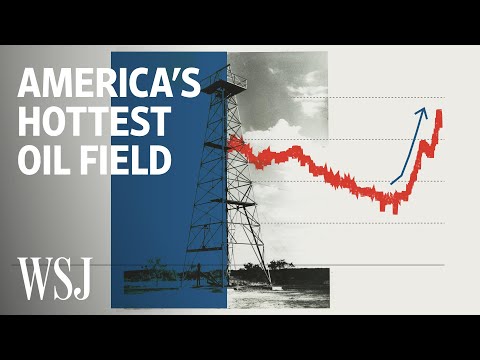
So, picture this: you’re cruising through West Texas, and suddenly you hit the Permian Basin. It’s like nature’s own treasure chest. Seriously, it’s filled with geological wonders that’ll make your jaw drop.
You know what’s wild? This area was once an ancient ocean! Yep, millions of years ago, it was all underwater, and now it’s a sprawling desert filled with oil and gas.
But the Basin isn’t just about fossils or riches; it’s packed with stories written in rocks. Like a giant history book that talks about climate changes, giant creatures, and epic events from ages ago.
So why should you care? Well, these geological wonders shape our environment and economy today. Whether you’re fascinated by dinosaurs or just love a good road trip story, the Permian Basin has something for everyone!
Exploring the Permian Basin: A Comprehensive Scientific Map of Geological Features and Resources
The Permian Basin is one of those places that just screams geological significance. Spanning parts of Texas and New Mexico, it’s not just a span of land; it’s a treasure trove of history hidden beneath the surface. This area used to be an ancient sea, millions of years ago, teeming with life.
Geological Features:
The geological landscape here is pretty dynamic. You’ve got sedimentary rocks that have been layered over time, creating what geologists call “strata.” These layers tell stories about Earth’s past environments.
- The Wolfcamp Shale is where a lot of oil reserves are found. It’s like the superhero of the basin!
- Delaware Basin and Midland Basin, two important sub-basins, showcase different rock formations with unique profiles.
- The Permian-age limestone formations are fascinating too—they’re evidence of reef systems from when this area was underwater.
What I find genuinely cool is how these geological features impact everything around them. For instance, during my childhood road trips with family through West Texas, I remember seeing those big oil rigs popping up like giants in fields. It was astonishing to think about the ancient ocean that once existed there!
Resources:
Now let’s talk about resources because this basin is basically an energy powerhouse.
- Oil: Most famous for its massive oil reserves; it contributes significantly to U.S. production.
- Natural Gas: A secondary hero in the story, thanks to shale formations.
- Aquifers: They’re hidden gems for water resources, vital for surrounding communities.
But don’t get me wrong; it’s not all about fossil fuels! The Permian Basin has mineral resources too—like gypsum and potash—which can be used in everything from farming to construction.
Significance:
So why should you care about this place? For starters, it’s crucial for understanding geology on a larger scale—climate changes, sedimentation processes—you name it! Plus, studying these features helps us figure out how energy resources can be harnessed sustainably.
It does raise some eyebrows though. With all that extraction happening here, there are environmental considerations we have to keep in mind—like water usage and pollution risks.
In short, the Permian Basin isn’t just a bunch of rocks piled up; it’s a rich tapestry woven from millions of years of Earth’s history—a place where every layer reveals more about our planet’s past and future possibilities. It’s kind of humbling when you think about all the changes Earth has gone through!
Analyzing the Largest Oil Producer in the Permian Basin: Insights into Industry Dynamics and Scientific Impact
The Permian Basin is like this geological treasure chest located in West Texas and Southeastern New Mexico. It’s not just any old spot; it’s one of the richest oil-producing regions in the U.S. But what makes it tick? Let’s break it down.
Size Matters
It’s massive, covering over 75,000 square miles. That’s about the size of the state of Florida! With layers upon layers of ancient rock formations, this basin holds an estimated 20 billion barrels of recoverable oil. So yeah, when we talk about the largest oil producer here, we’re diving into a big deal.
Who’s on Top?
As for who produces the most oil in the Permian Basin? Well, a few key players are at the forefront. Companies like ExxonMobil and Occidental Petroleum have been active here for years, but smaller firms are also making waves. This mix creates a competitive environment that drives innovation and efficiency.
The Role of Technology
You know what plays a huge part in this whole operation? Technology! Advances in hydraulic fracturing and horizontal drilling have really changed the game. Instead of just drilling straight down, these techniques allow companies to reach oil locked deep within rock layers by drilling sideways too. It’s like finding hidden treasures without digging up your whole backyard!
Environmental Considerations
But it’s not all sunshine and profits. The extraction process can lead to some environmental headaches—like air pollution and water usage issues. It raises questions about sustainability that we can’t ignore. For instance, how do we balance energy needs with protecting our planet?
The Geological Marvels
The formations within the Permian Basin aren’t just there for show; they tell stories about Earth’s history. These rocks contain fossils from ancient creatures that roamed millions of years ago. It’s a reminder of how life on Earth has changed over time—and how our natural resources are intertwined with that history.
So what does all this mean for you? Well, understanding these dynamics helps shed light on larger conversations about energy independence and economic growth versus environmental protection challenges in our current world.
In short, analyzing the largest oil producer in this region isn’t just about numbers on a spreadsheet; it’s also about geology, technology, industry dynamics, and really understanding our place within these complex systems—pretty neat stuff if you ask me!
The Future of Oil in the Permian Basin: Analyzing Depletion Timelines and Geological Insights
The Permian Basin is like a rock star of oil production in the U.S. It’s been pumping out oil since the 1920s, and it’s still going strong! However, as we’ve dug deeper into this geological treasure chest, it’s become clear that it won’t last forever. So, let’s chat about what the future holds for oil in this area and what we can expect regarding depletion timelines and geology.
First off, the Permian Basin stretches across western Texas and southeastern New Mexico. It’s named after the geological period when it was formed, around 299 to 251 million years ago. Isn’t that wild? These rocks hold not only a lot of oil but also a rich history—like time capsules!
What happens is that over time, we’ve been extracting oil from these formations at an alarming rate. This kind of overuse can lead to depletion. You might be wondering how quickly this could happen. Well, estimates vary quite a bit depending on various factors: technology, demand for oil, and even government policies.
Several key factors impact depletion timelines:
- Production Rates: The more we extract now, the quicker we reach a point where it’s not economically viable.
- Technological Advances: New methods like fracking have changed the game but come with their own limitations.
- Geological Insights: Understanding which areas have higher yield potential can extend how long we can keep producing oil.
It’s worth noting that not all parts of the Permian Basin are created equal. Some layers—like the Wolfcamp Shale—are higher in resources than others. That means some areas will deplete faster than others based on their geological setup.
Plus, there’s an emotional angle here too! Think back to when people used to build their lives around certain industries. Folks in places like Midland or Odessa often depend on oil jobs for their livelihood. As production declines and moves toward renewable sources, these communities face significant change. It’s complicated—you feel for them while also knowing we need to shift towards sustainable energy.
Another piece of this puzzle is price volatility in global oil markets pushing companies to rethink investments in new drilling sites versus renewing leases on existing ones—or even pivoting towards renewables altogether!
The geological wonders that make up this basin also contain elements crucial for future energy trends such as carbon capture technologies or geothermal systems—seriously cool things! So while the future may look bleak for traditional oil extraction at some point down the road (these resources won’t last forever), new opportunities might emerge from those same ancient rocks.
In summary, yes—the clock is ticking on how much longer we can rely on major yields from the Permian Basin’s oil reserves. But within those geological wonders lie insights and possibilities that could lead us into a whole new era of energy! We just have to navigate those waters carefully and wisely as we move forward together.
You know, the Permian Basin is one of those places that really makes you stop and think about the planet we live on. It’s like walking through a geological time machine. This vast area in West Texas and New Mexico has some pretty incredible rock formations and fossil beds that tell stories of an ancient world, dating back around 300 million years. Imagine that!
The layers of sediment you see there are like pages in a history book, each one revealing something different. You might stumble upon fossilized plants or sea creatures from when this place was once covered by a shallow sea. Honestly, it’s humbling to realize that life has adapted and evolved through so many changes over eons.
One time, I went out there for a hike, just to stretch my legs and clear my head. The sun was setting, casting this golden glow over the rugged landscape. As I stood there looking out at the expansive horizon, I couldn’t help but feel connected to all those ancient life forms that once thrived in what is now dry land. Can you imagine what a vibrant ecosystem it must’ve been? It gives me chills thinking about it.
Now, beyond just being beautiful and awe-inspiring, the geological wonders of the Permian Basin have real significance today. They hold lots of natural resources like oil and gas, which play a huge role in our economy and energy production. But it’s not just about what’s underneath; it’s also about understanding Earth’s history—how climate change has shaped landscapes over time.
When you think about climate change today, it feels like an urgent issue we all face together. Studying these ancient systems helps scientists figure out patterns in Earth’s climate history—like how species responded to past mass extinctions or changes in sea levels. If we can learn from those old lessons, maybe we’ll make better choices moving forward.
At the end of the day, the Permian Basin reminds us of our tiny place in this grand universe—a universe filled with wonders waiting to be uncovered. So next time you hear someone talk about geology or fossils, don’t just brush it off; take a moment to think about those layers beneath our feet and what they mean for where we’ve been and where we’re headed as a planet!