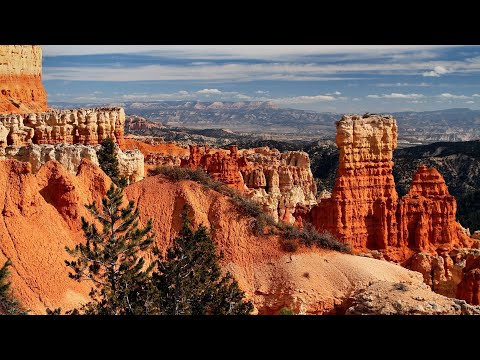
You know that feeling when you finally scrub your skin and all those dead cells just fall away? Kind of satisfying, right? Well, turns out, the Earth does a similar thing too! Seriously!
Exfoliation in geology is all about how rocks and landscapes get a makeover, just like your skin after a good scrub. Imagine layers of rock peeling off like an onion—wild, huh?
Now, this isn’t just about aesthetics. It’s crucial for shaping our mountains and valleys. Without it, we wouldn’t have half the stunning views we love today. So stick around while we dig into this rocky subject—you might just find a new appreciation for those rugged cliffs!
Understanding Exfoliation in Geography: Key Examples and Scientific Insights
Exfoliation in geography is a pretty cool process, and it’s all about how rocks break down over time. So, you know how when you peel an orange, there are those layers? Well, rocks can do something similar. Exfoliation happens when outer layers of rock peel off due to various reasons, mostly related to temperature changes and pressure release. Think of it as nature’s way of giving rocks a little makeover!
When we talk about exfoliation, we’re often referring to **mechanical weathering**. This type of weathering doesn’t change the chemical composition of the rock—just its structure. The main player here is thermal expansion. You see, during the day, rocks heat up from the sun’s rays and expand. At night, they cool down and contract. This cycle can cause cracks to form over time.
The **pressure release** is another big factor in this process. Imagine a big granite rock deep underground. It’s under lots of pressure from all the other layers above it. When that rock gets exposed to the surface—say from erosion or tectonic activity—the pressure drops really fast. This sudden change can make those outer layers crack and peel away like an onion! Isn’t that neat?
- Example: Half Dome in Yosemite National Park. This iconic granite formation showcases exfoliation beautifully! Over thousands of years, the outer layers have peeled off due to thermal expansion and pressure release.
- Example: Stone Mountain in Georgia. Here you can see massive sheets of granite where exfoliation has played a huge part in shaping its unique dome-like appearance.
This peeling effect leads to some interesting landscapes too! As those outer layers come off, they leave behind smooth surfaces known as exfoliation domes, which look super impressive against surrounding features.
Anecdotally speaking, I remember visiting Yosemite as a kid and staring up at Half Dome in awe. I kept thinking how it looked like someone had just peeled its rocky skin—pretty surreal for a young mind! It was then that I started wondering about all the processes that shape our planet.
Now, let’s touch on spheroidal weathering, which is closely related to exfoliation but adds another layer—no pun intended! In this case, not only does the outer layer peel away but it also rounds off corners and edges over time due to water exposure and chemical reactions.
- The Grand Canyon: This place shows us how spheroidal weathering works with softer rocks eroding away faster than harder ones!
- Boulders in Georgia’s Piedmont Region: You’ll find boulders with smooth surfaces showcasing this rounded effect from years of weathering.
To wrap it up (kind of), understanding exfoliation gives us insight into how landscapes evolve over time while also illustrating natural processes at play beneath our feet. Whether it’s a majestic mountain or a simple boulder, exfoliation is like nature’s art project that has been happening for ages!
Exploring Exfoliation: The Formation of Unique Landforms in Geology
So, here’s the deal with exfoliation in geology. It’s this fascinating process that shapes unique landforms, and it happens because of some really cool interactions between the Earth’s surface and environmental factors. Basically, exfoliation is when layers of rock peel away from a larger mass, kind of like how an onion has layers. This can create some stunning landscapes over time!
The main players in this geological performance are temperature changes and pressure. Imagine you’re having a heated argument, and then you step outside into the cool breeze—feels refreshing, right? Well, rocks experience something similar. During the day, they heat up under the sun and expand; when night falls, they cool down and contract. This constant cycle of expansion and contraction puts stress on the rocks.
Now let’s talk about what really makes exfoliation tick. When rocks are buried deep underground, they’re under all that pressure from the weight of everything above them. But when erosion or other forces expose them to the surface, that pressure drops dramatically. The sudden release allows those outer layers to break off in sheets or slabs.
- Granite formations are classic examples of exfoliation! Ever seen Yosemite National Park? Yeah, those massive granite cliffs like El Capitan and Half Dome? They’ve been shaped by exfoliation.
- The same thing happens with other rock types too! Sandstone cliffs can show exfoliation features as well.
- A neat fact: in places where it gets super hot during the day but cold at night—like deserts—the process tends to be more pronounced.
But it’s not just about peeling rocks; it creates unique landforms too! Think about rounded hills or large boulders that seem to be just sitting there peacefully in nature. Exfoliation adds character to these landscapes by producing those iconic shapes we often see on postcards.
I once visited a park where granite outcrops were everywhere—seeing how the layers had peeled back made me feel like I was standing in a sculpture garden created by nature itself! Seriously breathtaking stuff—almost like nature was cutting out pieces for an elaborate art installation!
To wrap things up a bit: exfoliation contributes significantly to how our planet looks today through this peeling process driven by temperature fluctuations and pressures changing over time. It plays a critical role in shaping our landscapes while also reminding us of how dynamic Earth really is!
So next time you’re out hiking or just strolling through your neighborhood park, take a moment to look around at those rocks; you might just notice signs of exfoliation right before your eyes!
Exploring Exfoliation Weathering: Key Examples in Geoscience
Exfoliation weathering is one of those fascinating processes that shape our planet’s landscape. You know, it’s like when a layer of skin peels off after a sunburn, but in this case, we’re talking about rocks. So what exactly is it? Well, exfoliation occurs when outer layers of rock gradually break away from the underlying layers. This happens mainly due to temperature changes and pressure release.
One of the key mechanisms behind exfoliation weathering is thermal expansion and contraction. During the day, rocks heat up under the sun and expand. Then at night, they cool down and contract again. This constant cycle creates tension in the rock formations. Over time, you get cracks forming, and eventually pieces start flaking off.
Now let’s talk about examples because that really brings this concept to life! Think about some iconic places where you can see exfoliation in action. One well-known example is Half Dome in Yosemite National Park. The granite here has massive sheets that have begun to peel away due to exfoliation weathering. It’s honestly incredible how this process has sculpted such majestic landscapes over thousands of years.
Another prime example can be found in The Sierra Nevada Mountains. The granite formations there showcase features like dome shapes that were shaped through exfoliation. You see those smooth surfaces? Yeah, that’s the result of outer layers breaking off over time!
But wait, there’s more! Exfoliation isn’t just limited to granite; it can occur in other types of rock as well. For instance, sandstone can experience similar weathering processes due to its layered structure. It may not form as dramatic shapes as granite does but still showcases how diverse geological formations deal with weathering.
You might wonder why exfoliation is significant beyond just creating beautiful vistas. Well, it helps reveal deeper layers of Earth’s crust by stripping away those upper layers! It also contributes to soil formation since those broken pieces mix with organic matter over time.
In summary, exfoliation weathering is an important geological process where rocks gradually lose their outer layers due to temperature changes and pressure relief. With stunning examples like Half Dome and sandy landscapes showcasing its effects on different rock types, it’s clear that this natural phenomenon plays a vital role in shaping our planet’s surface.
So next time you’re out hiking or exploring some rocky terrain, take a moment to appreciate the beauty behind these processes—it’s nature’s artistry at work!
So, let’s talk about exfoliation in geology. I remember this one hike I took a while back, up in the mountains. The rocks there were smooth in some places and had these weird layers peeling off. It got me curious about how nature works, you know?
Exfoliation is like when you take a big old granite rock and it starts to break apart in sheets or layers instead of just crumbling away into tiny bits. It’s kind of beautiful, really. Imagine the way an onion has those layers—you peel one back, and there’s another underneath. That’s what happens with rocks too!
Basically, this peeling action occurs due to temperature changes and pressure differences over time. During hot days, the outer layer of a rock heats up and expands more than the cooler inner parts. When night falls and temps drop, the outer layer cools down quickly. This constant expanding and contracting can make cracks develop over time. And eventually? Bam! You’ve got chunks flaking right off.
And get this: exfoliation shapes landscapes too! Like when you see those massive granite domes like Half Dome in Yosemite National Park—those were formed by exfoliation! It’s wild to think that something as simple as temperature change can craft such stunning formations.
Sometimes I wonder if we’re taking all these geological processes for granted when we’re out exploring nature. I mean, seeing those huge rocks that have been shaped over millions of years really puts things into perspective, right? It makes you appreciate how powerful natural forces are.
So next time you’re out hiking or just staring at a rock formation, think about the history behind it—the slow but relentless process of exfoliation carving its story on Earth’s surface. It’s kind of poetic if you think about it!