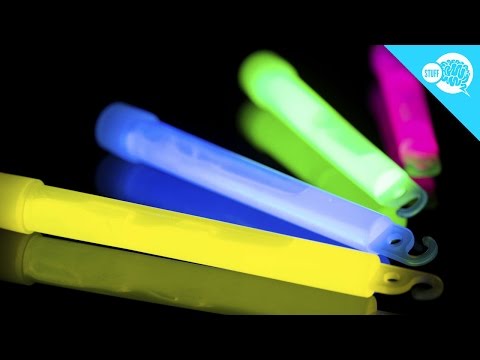
You ever been at a party and someone cracks open a glow stick? Suddenly, the whole vibe changes. It’s like someone flipped a switch. You’ve got this amazing, glowing light that looks super cool, right?
But have you ever stopped to think about what’s actually happening inside that little tube? I mean, it’s not just magic—though sometimes it feels like it!
The thing is, those glow sticks are doing some pretty wild chemistry. Yeah, they’re more than just neon fun. There’s a whole reaction going on in there that turns chemical energy into light—no electricity required! Crazy, huh?
So let’s chat about how these bad boys work and why they’re such a hit at parties, concerts, or even late-night camping trips. Trust me; it’s all kinds of interesting!
Exploring the Chemiluminescent Reaction in Light and Glow Sticks: A Scientific Overview
So, glow sticks! Those funky little tubes that light up your night with their colorful glow. You’ve probably seen them at concerts, parties, or even during a camping trip. But have you ever wondered how they actually work? Let’s take a closer look at the chemiluminescent reaction that makes these things shine.
The main players in the glow stick are two chemicals: **hydrogen peroxide** and a compound called **phenyl oxalate ester**. When you bend the glow stick, it breaks a tiny glass vial inside that separates these two substances. Once mixed, they react together—like old friends meeting after years apart!
Now, here’s where the magic happens. The reaction between hydrogen peroxide and phenyl oxalate ester actually produces energy in the form of light. This process is called chemiluminescence, which is just a fancy way of saying “light from chemical reactions.” In simpler terms, it’s like when you see a sparkler glowing bright when you light it up; it’s all about those energetic reactions.
You know what else is cool? The color of the glow stick is influenced by another chemical—the dye added to the mix. Just like how some people prefer their coffee black and others love it sweetened, you can customize the glow! Different dyes produce different colors by changing how light interacts with them as it gets emitted from that chemical reaction.
Here’s another interesting tidbit: temperature plays a huge role in how brightly your glow stick shines and for how long it glows. If you chill your glow stick in ice water, for instance, it’ll emit light more slowly but last longer. Conversely, if you heat it up (not too hot though!), it’ll shine brighter but burn out faster. It’s all about finding that sweet spot!
You might be wondering where this technology can be applied besides fun parties and concerts. Glow sticks have practical uses too! Think emergency lighting during power outages or even in military applications as signal lights at night. They provide visibility without needing batteries or electricity—seriously handy!
In essence, chemiluminescence gives us these vibrant lights thanks to simple chemical reactions and a bit of science savvy behind dye selection and temperature control. Next time you crack open a glow stick at your next bash or festival, remember there’s some neat chemistry lighting up your life!
So there you go; from bending those plastic tubes to enjoying their shimmering glow—now you’ve got an idea of what all goes on behind the scenes! Isn’t science fascinating?
Understanding the Chemistry Behind Glow Stick Fluid: Key Components and Reactions
So, let’s chat about glow sticks! You know those cool little tubes that glow in all sorts of colors when you crack them? It’s like magic, but there’s some solid chemistry behind that glow. Seriously, it’s pretty fascinating once you get into it.
First off, glow sticks work thanks to a reaction called chemiluminescence. This is just a fancy way of saying they produce light through a chemical reaction without heat. You crack the stick, and it mixes two special liquids inside. Here are the main players in this glowing game:
- Hydrogen Peroxide: This is one of the fluids inside. It acts as an oxidizing agent, which means it helps other substances react faster.
- Phenyl Oxalate Ester: This compound is crucial. When mixed with hydrogen peroxide, it breaks down and releases energy.
- Dyes: These are what give glow sticks their vibrant colors. Different dyes emit different colors when excited by the energy released in the reaction.
When you crack open a glow stick, you’re basically allowing these components to meet up and party. The hydrogen peroxide reacts with the phenyl oxalate ester. So here’s where the magic happens: this reaction creates unstable compounds that release energy in the form of light as they calm down to more stable states.
Oh! And I’ve got to mention that color thing again because it’s super neat. The specific dye used dictates what color you see. For example, if they use a dye called rhodamine 6G, you’ll see greenish-yellow light shining bright! Just think about all those colorful raves or camping nights; they’re all thanks to these tiny molecules doing their thing.
Now let me throw in a little personal touch here—once at a summer camp, my friends and I used to compete over who could make their glow stick last longer while telling ghost stories at night (yes, super cheesy!). It’s wild how something so simple can create such memorable times!
In terms of safety, glow sticks contain non-toxic materials mostly—but definitely don’t try drinking or messing with them too much! If they break open accidentally though? The fluid isn’t dangerous but it can be irritating on your skin or eyes if exposed for long periods.
To wrap things up (but not too tight!), next time you crack open a glow stick and watch it light up the room, think about all that chemistry going on inside! It’s basically science stealing the show while we enjoy some fun and colorful moments under the stars. Isn’t chemistry just cool?
Exploring the Science Behind Enhanced Glowstick Luminescence in Warm Water
So, let’s talk about glowsticks and that cool effect you notice when you toss one into warm water. Seriously, if you’ve ever seen a glowstick light up like a party in your hand when it gets hot, you know what I mean.
Glowsticks work through a process called chemiluminescence. It sounds fancy, but basically it means you’re creating light without heat. So here’s how it goes: inside a glowstick, there’s usually a mixture of chemicals—like hydrogen peroxide and some fluorescent dye, all snug in their little plastic tube. When you snap that stick, you’re breaking the barrier between these chemicals and letting them mingle.
Now, the magic really happens when these chemicals react. When hydrogen peroxide mixes with the dye and another chemical (like an ester), they start to react. This reaction produces energy that excites the dye molecules. As these excited molecules return to their normal state, they release energy in the form of light—boom! You’ve got yourself some glowing goodness.
Now here comes the fun part: heat can really mess with how this reaction goes down. When you toss your glowstick into warm water, it gets warmer too! This extra warmth speeds up the reaction because molecules move faster at higher temperatures. You could think of it like people dancing at a party: if everyone is grooving slow at room temperature, but when you crank up the heat (or just add more friends), things get lively real quick!
So why does this matter? Because with that increased speed of reaction, your glowstick can shine brighter and for longer! If you’re ever at a summer festival or camping trip and want to amp up your glow game—this is your secret weapon.
But hold on—there’s a little caveat here. While warm water makes for brighter light *initially*, eventually that speed can lead to all sorts of side reactions as well. More heat can also lead to quicker depletion of those chemiluminescent materials. So it’s kind of like sprinting versus jogging—you get fast results but might tire out sooner!
In summary, let’s break down what we learned:
- Chemiluminescence is all about creating light without heat.
- Warm water speeds up chemical reactions, making your glowstick shine brighter.
- This rapid reaction creates excitement in molecules which emits light.
- Be careful though! Too much heat can end the glowing party early.
So next time you’re chilling with friends and cracking open some glowsticks for fun activities or games, consider giving them a dip in warm water first! Who knew science could add extra sparkle to your night?
Glow sticks are those cool little tubes that light up your night, right? You pop them, shake them, and suddenly you’ve got this vibrant glow. But have you ever thought about what’s actually happening inside? It’s pretty neat when you dig into the chemistry behind it.
So here’s the deal: glow sticks work through something called chemiluminescence. Fancy term, huh? Basically, it’s a chemical reaction that produces light. There are two main components inside a glow stick: a hydrogen peroxide solution and a dye solution that contains some kind of phosphor or fluorescent dye. When you snap that stick, you break seals inside and mix these solutions together.
As they mingle—boom!—the hydrogen peroxide reacts with the chemicals in the dye. This process releases energy in the form of light, making it glow like your favorite party or camping trip! I remember one summer night at camp when we all gathered around the fire, glowing sticks in hand, sharing stories and laughing under the stars. It felt magical!
But chemiluminescence isn’t just for fun at parties; there are some super important applications for this chemistry too. For instance, in medicine, doctors use glow stick reactions to help identify certain conditions or track biological processes in cells. It helps them see things they normally wouldn’t be able to observe directly! Pretty wild how something so simple can be so useful beyond just making our nights brighter.
And then there are those cool scientific experiments where researchers use similar principles to study chemical reactions or even environmental changes. How cool is it that scientists can learn about our planet using something as simple as light from a glow stick?
In short, these little glowing wonders aren’t just for fun—they’re a delightful intersection of science and creativity. Whenever I see one glowing away at some event or gathering now, I can’t help but think about all the chemical magic happening inside…and maybe also about those sweet summer camp memories!