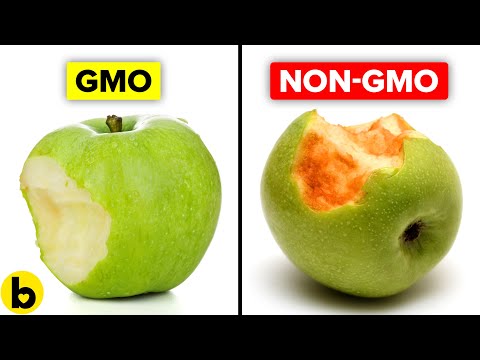
So, picture this: you’re at a cookout, and someone starts raving about how much they love their heirloom tomatoes. You nod along, but inside, you’re wondering what exactly “heirloom” means. And then, your friend pipes up, saying they only eat organic. Suddenly, the conversation shifts to GMOs—genetically modified organisms.
You can almost feel the tension in the air! Some folks think they’re a menace to society, while others swear by their safety and benefits. It’s like being at a family dinner discussion where everyone has strong opinions but no one really knows the facts.
But hey, let’s break down some of that science together! There’s so much research out there, and it can be hard to sift through it all. So let’s chat about GMO foods and just what the science really says about them—no lecturing here! Just some good old-fashioned info-sharing that might make your next grocery trip way more interesting. Sound good?
Exploring the Adverse Health Impacts of GMOs: A Scientific Perspective on Human Health Risks
Exploring GMOs and their health impacts can feel like wading through a swamp of opinions and facts, right? But let’s break it down together, so it makes sense.
First off, what are GMOs? They’re genetically modified organisms—plants or animals whose DNA has been altered to give them certain traits. Think bigger crops or resistance to pests. This technology is used in agriculture to improve food production. But what about our health? That’s where the concerns often creep in.
Now, let’s look at some key points that get discussed all the time:
- Allergic reactions: One major concern with GMOs is that they might trigger allergies. If a gene from a known allergenic plant is inserted into another plant, it could lead to unexpected reactions in some people. But so far, scientists have found no conclusive evidence that GM foods cause more allergies than conventional foods.
- Toxicity risks: There’s also worry about how these modified genes might produce new toxins in our food. Some studies suggested that certain GMO crops could lead to harmful substances in the body. However, extensive testing by various organizations hasn’t shown significant toxicity risks linked directly to consuming GM foods.
- Nutritional content: Another point often raised is whether GMOs might affect the nutritional quality of our food. Some genetic modifications aim to boost nutrition—like Golden Rice that has added vitamin A—but there isn’t clear evidence showing they harm what we already eat.
- Long-term effects: One huge question mark hangs over long-term health effects because many GMO crops have only been around for a couple of decades. It’s tough for researchers to draw definitive conclusions since long-term studies take time and money.
It can get pretty complicated when you start digging into the data. For instance, during my college days, I remember a huge debate in class about whether these modifications made our food less safe overall. There were passionate arguments on both sides! It really opened my eyes to how personal and political views can color scientific discussions.
The bottom line? Scientific communities around the world agree generally that GM foods currently on the market are safe. Organizations like the World Health Organization and National Academy of Sciences have reviewed evidence and reported no unique health risks when compared with conventional crops.
But here’s where it gets tricky: public perception doesn’t always match up with scientific consensus. Many people remain skeptical about GMOs due to issues like corporate control over seeds or worries about environmental harm.
So what do we do with all this info? Staying informed is key! Follow ongoing research as scientists continue studying both immediate and long-term impacts of eating genetically modified foods on human health.
In short, while there may be concerns regarding GMOs and human health, current science suggests they don’t pose significant risks for healthy individuals. Keeping an open mind while seeking out reliable information is important in this ever-evolving topic!
Exploring the Pros and Cons of Genetically Modified Foods: A Scientific Perspective
Genetically modified foods, or GMOs, are like the superheroes of the food world. They’re designed to be better in some way—more nutritious, resistant to pests, or able to survive harsh weather. But with great power comes great responsibility. Let’s dig into the pros and cons of these foods.
On the Positive Side:
- Increased Crop Yields: One of the biggest benefits is that GMOs can produce more food. Imagine a farmer being able to grow enough corn to feed a small country! That’s crucial, especially with a growing global population.
- Pest Resistance: Many GMO crops are engineered to resist pests without needing tons of pesticides. This not only saves farmers money but also reduces chemical runoff into our waterways.
- Nutritional Benefits: Some GMOs are enriched with vitamins and minerals. For example, Golden Rice was developed to contain extra vitamin A, which can help combat malnutrition in developing countries.
- Climate Resilience: Certain GMOs can tolerate extreme conditions like drought or flooding. This adaptability means we can still get food even when Mother Nature throws a tantrum!
But hold on! It’s not all rainbows and butterflies over here.
Now, Let’s Look at the Not-So-Great Aspects:
- Biodiversity Concerns: Planting too many GMO crops might reduce biodiversity. When we focus on one type of modified plant, we risk losing traditional varieties that have unique traits.
- Pesticide Resistance: While GMOs can reduce pesticide use, over time, pests may develop resistance. Think about it: if bugs get smart and adapt, farmers may need even stronger chemicals!
- Cultural Acceptance: Many people are skeptical about eating genetically modified foods due to concerns over safety and ethics. It’s understandable; you want to know what you’re putting into your body!
- Socioeconomic Issues: Not all farmers can access GMO seeds because they often come with hefty price tags and licensing fees. This could widen the gap between big agri-businesses and small farmers.
The science community has generally found that GMOs currently on the market are safe for human consumption. Seriously! Numerous studies back this up, but there’s still a lot of debate out there among scientists and the public alike.
You know what? I remember talking to my grandma about this whole GMO thing once. She was worried that they could make her sick or change flavors in weird ways she couldn’t understand. And honestly? That’s totally valid! People want reassurance about what ends up on their dinner plates.
The conversation around GMOs is ongoing and complex—it’s not just black or white but shades of gray mixed with green fields of corn and golden rice!
The bottom line is that genetically modified foods come with their perks and pitfalls, just like anything else we deal with in life—so it pays off to stay informed!
Exploring the Science: 10 Key Advantages of Genetically Modified Organisms
Well, we’ve all heard a lot about genetically modified organisms, or GMOs for short. Some people are super excited about them, while others are totally skeptical. But let’s break it down and explore some key advantages of these little creations.
1. Increased Crop Yields
One of the biggest benefits of GMOs is that they can produce higher crop yields. Imagine if farmers could grow more food on the same amount of land! This helps to feed more mouths in a growing population.
2. Pest Resistance
Certain GMO crops are engineered to be resistant to pests. A classic example here is Bt corn, which has been modified to produce a protein that’s toxic to specific pests but safe for humans and other animals. Less pests mean less pesticide use!
3. Herbicide Tolerance
Some crops are designed to tolerate specific herbicides, allowing farmers to control weeds more effectively without harming their crops. This can make farming easier and help reduce competition for resources.
4. Nutritional Improvement
GMOs can be enriched with additional nutrients, which is especially important in areas where people might not get enough vitamins in their diet. Take Golden Rice—this type of rice has been modified to contain beta-carotene, which converts to vitamin A in the body.
5. Environmental Benefits
By using GMOs that require fewer chemical inputs and enhance natural pest resistance, farmers can reduce their environmental impact. Less chemical runoff means cleaner waterways and healthier ecosystems.
6. Drought Resistance
With climate change affecting weather patterns, some crops have been engineered for drought resistance, ensuring farmers can still yield produce even during water shortages. This is crucial for food security.
7. Reduced Need for Tilling
Certain GMO crops allow reduced tillage farming practices which improve soil health by keeping the topsoil intact and reducing erosion over time—something we should definitely care about!
8. Better Taste and Shelf-Life
GMOs can also be modified for improved taste or extended shelf life! Ever bitten into a tomato that just bursts with flavor? Some genetic tweaks lead to juicier and tastier fruits.
9. Disease Resistance
Plant diseases can wipe out entire harvests! GMOs can be designed with traits that help resist certain pathogens, making them hardier overall during tougher growing conditions.
10. Economic Benefits
Lastly, the economic impact can’t be ignored! Higher yields mean better income for farmers; this can uplift communities economically—especially in developing regions where agriculture is a primary industry.
So yeah, while there’s still debate around GMOs concerning safety and ethics, understanding these advantages helps clarify why many scientists and agricultural experts support their use in modern farming practices! Just remember: it’s always good to stay informed and question what you hear—it keeps things balanced!
So, let’s chat about GMO foods. You know, genetically modified organisms? These crops are engineered to have certain traits, like being resistant to pests or growing in tough conditions. And, like a lot of things in life, they come with both pros and cons.
I remember the first time I was at a dinner party and someone brought up GMOs. The table suddenly split into two camps—people who were all for them and others who were totally against. It was kind of wild! Some folks were convinced it was the end of natural food as we know it, while others swore by the science behind these crops helping to feed the world.
So here’s the thing: science has been looking into GMOs for years now. A lot of research comes out saying these foods are safe to eat. You might think that sounds reassuring, right? But there’s still this lingering concern from people about long-term effects or potential allergies—like is it really okay? It’s understandable, especially when you consider how your food goes from farm to table nowadays.
Studies have shown that GMO crops don’t seem to pose any real risks when it comes to human health. They undergo rigorous testing before hitting the market; many organizations—like the World Health Organization and National Academy of Sciences—have given them a thumbs up after comprehensive evaluations. So why do people still worry?
Well, food is personal! It’s tied to culture and traditions. If you grew up with home-cooked meals made from non-GMO ingredients, seeing something different can feel unsettling. Plus, when we hear stories about companies having questionable practices or spreading misinformation, it just adds fuel to this fire of skepticism.
But stepping back and taking a look at the bigger picture can help ease those worries a bit. GMOs can potentially lead to reduced pesticide use and higher yields, which may help combat hunger globally—a huge benefit! That said though; it’s not just black-and-white! The conversation needs nuance.
To wrap this all up (not that you need wrapping), even though science backs safety on GMO foods pretty strongly, personal feelings play a massive role in how we view them—and it makes sense! Food choices reflect our values and beliefs as much as they do our taste buds.
In essence, keep questioning and learning! That’s what matters most anyway—finding what feels right for you while keeping informed about the science behind our meals.