You know those times when you see someone choke on a piece of food and you think, “Whoa! That looks scary!”? Well, that’s kind of what epiglottitis feels like—only way worse. It’s this serious throat issue that can sneak up on you, and if it does, it means your epiglottis, which is this tiny flap at the back of your throat, gets all inflamed.
Imagine being unable to breathe properly because of that little guy! It’s wild how something so small can turn into such a big deal. So let’s chat about what actually happens in your body when epiglottitis kicks in. I mean, seriously, it’s a mix of mechanics and chaos all happening in your throat!
Understanding the Mechanism of the Epiglottis: Insights into Its Role in Human Anatomy and Physiology
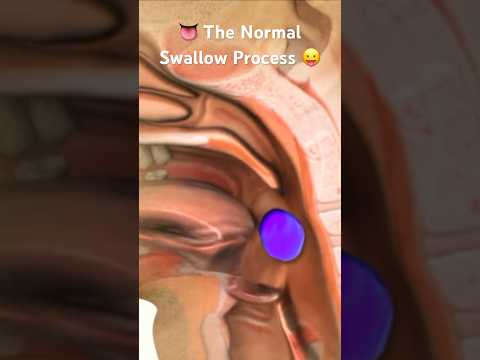
The epiglottis is a small but mighty flap of cartilage located at the back of your throat. Its main job is to guard your windpipe when you swallow. So basically, it’s like a security guard for your airway!
When you eat or drink, the epiglottis closes down over your trachea. This prevents food or liquid from slipping into your lungs, which is super important. If that happens, well, let’s just say you’d be coughing like crazy! It’s pretty cool how this tiny structure works with other parts of the body.
Now, let’s break down its role in human anatomy and physiology a bit more:
- Location: The epiglottis sits just above your larynx and is connected by a small ligament.
- Structure: Made of elastic cartilage, it can bend without breaking, making it flexible.
- Movement: As food approaches, signals from your nervous system tell the epiglottis to close off the airway. This move is crucial in preventing aspiration.
You know what’s interesting? The ability of the epiglottis to work properly can sometimes get compromised by infections or conditions like epiglottitis.
Epiglottitis is an inflammation of the epiglottis that can cause it to swell up. This swelling can block airflow and lead to serious complications. Just think about trying to breathe through a straw that’s too narrow—super uncomfortable!
The main culprits behind this condition are usually bacterial infections, particularly from something called Haemophilus influenzae type b (Hib). This bacterium used to be a major cause of childhood epiglottitis before vaccines came along.
Here’s how things can go south when someone has epiglottitis:
- Swelling<!–: The inflamed epiglottis can swell rapidly, which makes it hard to breathe.
- Painful swallowing: You might feel pain while swallowing because everything down there gets aggravated.
- Fever: Often comes along with other symptoms as your body tries to fight off infection.
It’s kind of scary what happens when things don’t go right in this area. If you think about being unable to breathe properly due to an infection in such a critical spot—it really puts things into perspective!
So if you notice someone showing signs like difficulty breathing or swallowing along with fever and drooling (a sign they can’t swallow properly), that’s definitely a reason for concern and calling for medical help quickly.
In short, the epiglottis might not be something we think about every day, but it’s crucial for our well-being. It protects our airways while we enjoy our meals and makes sure that everything functions cohesively so we don’t end up choking or gasping for air. Kind of amazing how such a small part can have such a big job!
Exploring the Factors Influencing Epiglottis Function: A Scientific Overview
The epiglottis is a small but mighty flap of tissue located at the back of your throat. It’s often overlooked, but it plays a crucial role in keeping our airways safe. You might not think much about it until you experience something like epiglottitis, which can be a real scare.
Basically, the epiglottis acts like a gatekeeper. When you’re eating or drinking, it flips down to cover your windpipe, preventing food or liquids from entering your lungs. But when it gets inflamed or infected—like in epiglottitis—it can swell up and block airflow. That’s where things get pretty serious.
There are several factors that can influence how well the epiglottis works:
Infections: One of the primary causes of epiglottitis is bacteria. In the past, Haemophilus influenzae type b (Hib) was notorious for causing this issue in children. However, thanks to vaccinations, those cases have significantly dropped. Nowadays, other bacteria like Streptococcus pneumoniae and Staphylococcus aureus have taken its place as culprits.
Age: The age of a person also affects how the epiglottis functions. Young children have smaller airways and weaker immune systems, which makes them more susceptible to infections that can lead to swelling. Adults, on the other hand, might face more issues related to chronic health conditions.
Allergies and irritants: Environmental factors play a big part too! Allergens like pollen or smoke can lead to inflammation in the throat areas and affect how smoothly that little flap does its job.
Anatomical variations: Sometimes people are born with anatomical differences that make their epiglottis more prone to problems. For instance, if someone has a larger than average tongue or an unusually shaped airway, this could contribute to breathing difficulties during infections.
Now let’s take a moment for an emotional angle here: I remember when my younger cousin had a bout of epiglottitis. He was just starting school and suddenly found himself struggling for breath one evening. We rushed him to the hospital—his little face was pale and scared. They treated him quickly with antibiotics and steroids to reduce swelling—and thankfully he recovered fully! But seeing someone so young grappling with such a scary condition really puts into perspective why understanding these factors is key.
In terms of mechanisms, once an infection sets in or some kind of irritant triggers inflammation, you’ll often see symptoms taking shape quickly: sore throat, difficulty swallowing, fever—you name it! The swelling might worsen quickly too; that’s why it’s crucial to seek medical attention if you think someone’s got this going on.
Effects? Oh man! If untreated, severe swelling could lead to airway obstruction. Not good at all! In fact, that’s pretty much what makes epiglottitis so dangerous—it can happen fast and endanger someone’s life in just hours if not addressed properly.
So there you have it—a peek into the world of the epiglottis! This tiny structure carries big responsibilities when it comes to keeping us safe while we eat and drink. And understanding what influences its function helps highlight why we should pay attention when things go wrong down there in our throats!
Understanding the 4 D’s of Epiglottitis: Key Insights for Medical Professionals
Epiglottitis is one of those medical terms that sounds super complicated, but let’s break it down. It refers to the inflammation of the epiglottis, a small flap at the back of your throat. You know, the thing that helps block food from going down your windpipe? When it gets inflamed, it can lead to some serious problems.
The 4 D’s are critical in understanding epiglottitis: **Dysphagia**, **Drooling**, **Distress**, and **Dysphonia**. These symptoms can guide healthcare professionals in diagnosing this condition. Let me explain each one:
- Dysphagia: This fancy term just means difficulty swallowing. Patients might experience pain or discomfort when trying to swallow food or even liquids. It’s like having a lump in your throat that just won’t go away.
- Drooling: When someone has epiglottitis, they can’t swallow properly, which often leads to excessive drooling. Imagine trying not to choke while you’re stuck in an awkward position – not great, right?
- Distress: Patients often show obvious signs of distress and discomfort, particularly during breathing and swallowing. It can be really scary for someone experiencing it because they might feel like they’re suffocating.
- Dysphonia: This means changes in voice quality, like hoarseness or a change in pitch. You might notice this when talking with someone affected by epiglottitis; their voice may sound muffled or strained.
What happens is that bacteria—often *Haemophilus influenzae* type b—invade and inflame the epiglottis and surrounding structures. This swelling causes narrowing of the airway, leading to those classic 4 D’s symptoms.
Now let’s talk about some underlying mechanisms here. The inflammation is typically due to an immune response where your body ramps up its defenses against infection but goes a bit overboard sometimes! That extra fluid accumulation makes things worse—a classic case of too much of a good thing.
So yeah, managing epiglottitis promptly is crucial because if left untreated, it can lead to serious airway obstruction or even death! Medical professionals usually treat this condition with antibiotics and possibly surgical intervention if there’s significant swelling present.
In conclusion (oops!), understanding these 4 D’s helps healthcare providers recognize impending danger quickly. Remembering these signs could literally be lifesaving—so keep them in mind!
Epiglottitis, man, it’s one of those things that can really freak you out if you hear someone mention it. Picture this: you’re chilling with friends, and suddenly one of them is struggling to breathe. That’s the seriousness of epiglottitis—it’s like a red alert for your throat!
So, what actually goes down in your body when someone is hit with this? Well, here’s the deal: basically, epiglottitis happens when the epiglottis—the little flap that covers your windpipe when you swallow—gets inflamed and swollen. And this swelling can totally block off air from getting into the lungs. It’s often caused by bacteria, particularly Haemophilus influenzae type b (or Hib for short). This sneaky little germ was a major culprit before vaccines came along.
When you’re looking at the mechanisms behind it all, it starts with an infection—usually in a child or someone who hasn’t been vaccinated. The immune system kicks into high gear because it recognizes there’s an invader lurking about. But instead of just kicking out the bacteria and moving on, sometimes things get outta hand! The inflammation can spread quickly; before you know it, that tiny epiglottis is like a balloon ready to pop.
I remember reading about a kid who just came down with a sore throat and fever one day. It seemed so innocent at first. Then bam! Just hours later he was gasping for air because his throat was closing up on him—like one minute he was fine and the next he was fighting for life itself! It’s super scary how fast things can spiral out of control.
The effects? Well, they’re serious too. If someone doesn’t get treated right away, they could end up needing emergency care—like intubation—to keep that airway open. On top of that, there could be long-term complications if not caught in time.
And here’s where I feel like we really need to be aware: early symptoms might look quite mild at first—sore throat or difficulty swallowing—but they can escalate quickly into something dangerous. That’s why knowing about this condition matters; awareness can save lives! You know how they say knowledge is power? In cases like epiglottitis, it truly is.
I guess I’m just saying this isn’t something to brush off or take lightly—you follow me? Understanding what goes on with epiglottitis helps in recognizing when immediate action is necessary. It might make you think twice if that sore throat comes with other signs too! So stay informed and keep an eye out; we never know when we might need to step in and help someone else breathe a little easier.