So, picture this: you’re lying on your backyard lawn, staring up at the night sky. You see constellations, maybe a shooting star streaking by. Pretty magical, right? Well, what if I told you that with the right telescope, this cosmic show could get even better?
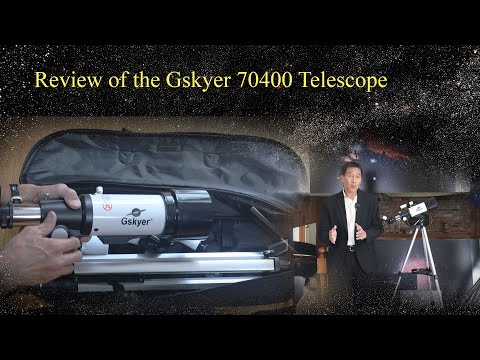
Enter the Gskyer Telescope 70400. Sounds fancy, huh? But don’t let the name scare you off. It’s a game-changer for anyone looking to dive into astronomy without breaking the bank. You can go from just peeking at stars to spotting craters on the Moon and maybe even catching Jupiter’s moons.
Now, I’m not saying you’ll become a space wizard overnight. But hey, it might just make those stargazing nights a whole lot more exciting! So grab some snacks and let’s chat about why this little gadget could turn your casual sky-watching into an out-of-this-world adventure!
Exploring Planetary Observation: Can the Gskyer Telescope Capture Celestial Bodies?
So, you’re curious about the Gskyer telescope and its ability to capture celestial bodies? Well, let’s break it down together!
First off, the **Gskyer Telescope 70400** is a small but mighty instrument tailored for amateur astronomers. It’s got a 70mm aperture, which means it can gather a decent amount of light. Basically, the larger the aperture, the more detail you can see in the night sky. It’s not exactly the Hubble Space Telescope, but it certainly opens up some fascinating views.
Now onto **planetary observation**! You might be wondering what that even means. It refers to looking at planets in our solar system—like Jupiter and Saturn. These beauties are usually way more accessible than distant stars or galaxies for most home setups. With a decent telescope, you can spot Saturn’s rings or Jupiter’s stripes! Isn’t that amazing?
One of the cool features of the Gskyer is its **mounting system**. It’s designed for easier tracking of celestial objects as they move across the sky. That’s super handy because planets don’t stand still; they shift position due to Earth’s rotation. If you’re not familiar with that movement yet, it might feel like chasing a sneaky ghost!
When you set it up right—like properly aligning it with your location—you’ll have some good chances to catch planetary details when conditions are favorable. Clear skies and minimal light pollution are your best friends here! Oh, and don’t forget warm clothes if you’re out on chilly nights!
The telescope also comes with multiple eyepieces which allow you to change how much magnification you want. Higher magnification can help reveal more detail on planets but keep in mind that too much magnification might reduce clarity. It’s all about balance.
You might be thinking, “What about other celestial bodies?” Well, besides planets, this telescope can also show you things like **craters on the Moon**, bright star clusters, and even some nebulae under perfect conditions! But remember: It won’t handle deep-sky observation like larger telescopes would.
And here’s something personal—one time I set up my scope during an astronomy club night and aimed at Venus just after sunset! The sight of that bright little planet made everyone’s eyes light up—it was like we were all kids again looking at our first shooting star!
So yes, while the Gskyer isn’t going to capture stunning images like professional telescopes do (sorry!), it’s absolutely capable of giving you a real taste of what lies beyond our atmosphere. With patience and practice, who knows what wonders you’ll discover?
In short:
- Gskyer Telescope 70400 has a 70mm aperture for decent light gathering.
- Great for observing planets like Jupiter and Saturn.
- Effective mounting system helps with tracking moving objects.
- Multiple eyepieces allow flexibility in viewing details.
- You can also see craters on the Moon and star clusters!
So get ready to explore space from your backyard!
Exploring Saturn’s Wonders: Viewing the Planet Through a Gskyer Telescope
So, you’ve got yourself a Gskyer telescope, huh? Nice choice! If you’re planning to explore Saturn, prepare for an unforgettable adventure. This planet has some stunning features that are just waiting to be observed through your eyepiece.
First of all, let’s talk about those gorgeous rings. Seriously, Saturn’s rings are one of the most iconic sights in our solar system. These rings are made up of ice and rock particles, ranging in size from tiny dust grains to massive chunks. They shine brightly as sunlight reflects off them. When you spot Saturn through your telescope, it feels like you’re peering into a cosmic masterpiece!
But here’s the catch: not every telescope can show you the beauty of Saturn clearly. The Gskyer 70400 telescope is designed with amateur astronomers in mind, giving you decent magnification power that can definitely enhance your viewing experience.
- Magnification: With a magnification range up to 120x, you’ll be able to see Saturn’s ring structure quite nicely! At this magnification level, the rings will pop in your view.
- Aperture Size: The 70mm aperture is good for gathering light. This means you’ll be able to pick up details even if conditions aren’t perfect.
- Stability and Mount: A stable mount helps keep the telescope steady so that when you zoom in on Saturn, things don’t wobble too much—definitely a plus!
If you’re out there on a clear night and spot Saturn hanging brightly against the dark sky, it might feel surreal—like something pulled right out of a movie! I remember when I first saw it; my heart raced. All those hours reading about space turned into this magic moment where I was looking at something from another world!
Now don’t forget about focussing your telescope properly. It might take some fiddling around to get everything just right so that Saturn comes into sharp view without blurring out. It can be frustrating at times, but getting that crisp image is totally worth it!
You’ll also want to pay attention to the best times for viewing. Late evenings or early mornings usually offer clearer skies as atmospheric disturbances tend to settle down then. You know how those twinkling stars can get distorted? Well, seeing conditions make all the difference when observing planets too!
If you’re eager for more than just rings and perhaps want to catch glimpses of Saturn’s moons like Titan or Rhea, keep an eye on their positions relative to the planet as they change over time—a little celestial dance that’s pretty cool to witness.
Your Gskyer telescope opens up a whole new world for amateur astronomers like yourself. So grab some hot chocolate or coffee (it helps with those chilly nights), set up your gear under a blanket of stars, and let yourself marvel at Saturn’s wonders. Remember: every time you look through that lens is a chance for something new and exciting!
Exploring the Night Sky: Observing Planets with a 70mm Telescope
So, you’re thinking about exploring the night sky with a 70mm telescope? That’s awesome! Looking at planets can be one of the most thrilling things for anyone curious about astronomy. A telescope, like the Gskyer 70mm, isn’t just a tool; it’s your own window to the universe!
First things first: what does “70mm” even mean? Well, it refers to the diameter of the telescope’s main lens. The bigger this lens, the more light it can gather. More light means clearer and brighter images of distant objects in space—like planets! With a 70mm telescope, you can observe moons, rings, and even some surface features on planets.
You know what’s really exciting? The planets in our solar system are not just distant dots; they have their own stories! For instance:
- Jupiter: This giant planet is often a favorite among stargazers. You might see four of its largest moons—Io, Europa, Ganymede, and Callisto—just hanging out in a line. They’re called the Galilean moons because Galileo discovered them!
- Saturn: What can I say? Its stunning rings are a sight to behold. Even with a modest telescope, you can see those rings clearly and appreciate their beauty.
- Mars: If you’re lucky enough to catch Mars when it’s close to Earth, you might glimpse its reddish hue and some surface features!
Now let’s talk about when and where to look! Timing is key. Planets usually show up best during certain times of the year or when they’re at their highest point in the sky at night. Keep an eye on a sky chart or an app for updates on planetary alignments and visibility.
The best part? You don’t need to be an astronomy pro to enjoy this! Just find a dark spot away from city lights—like your backyard or a local park—and bring your telescope with you. When you start observing through that 70mm lens, it’s like opening up nature’s magic book page by page.
A little tip: make sure you give your telescope some time to adjust to outdoor temperatures before using it. This helps reduce blurry images from heat rising off surfaces.
Also remember—get comfy! Bring along some blankets or a chair because stargazing can take hours if you’re really into it.
Finally, don’t forget about patience! Sometimes you’ll have nights where cloud cover spoils everything but don’t get discouraged. Those moments make seeing clear skies even sweeter in the end!
If you’re lucky enough to find someone who knows about telescopes or has been star-gazing for a while, ask them questions! Sharing experiences makes learning way more fun.
Sooo… grab your telescope and get ready for some amazing nights filled with awe as you explore our cosmic neighbors—you won’t regret it!
Imagine you’re outside on a crisp night, the stars glittering like diamonds sprinkled across a deep velvet sky. Yeah, there’s just something magical about it, right? You can’t help but feel small and curious at the same time. Somewhere in that vastness is potentially life, or maybe just incredibly cool celestial bodies waiting for someone to marvel at them.
So, here comes this Gskyer Telescope 70400. It’s not some fancy high-tech gadget reserved for scientists or professional astronomers. Nope! It’s made for folks like you and me who want to peek into the universe without breaking the bank. This telescope gives you that chance to see things you’ve only ever seen in pictures—like craters on the Moon or those cute rings of Saturn.
I once took my old school telescope out—it was so basic! I was thrilled to see Jupiter and its moons for the first time. That moment left me breathless; I felt connected to something bigger than myself. When people get their hands on something like the Gskyer, they’re not just buying a piece of equipment. They’re getting an experience that may even spark a lifelong love for astronomy.
What’s super cool about this scope is its lightweight design and portability. Seriously, no one wants to lug a heavy telescope around when all you want is to catch a glimpse of a meteor shower with your friends or family! And with those clear optics—man! You can actually see details that would make your jaw drop.
But it’s more than just about seeing; it’s about sharing moments too. Picture yourself showing your little niece how craters dot the Moon’s surface as she gasps in awe. Or imagine sitting silently under the stars with friends, everyone taking turns looking through that eyepiece and discovering something new together.
Of course, there’s some learning involved too—like how to focus it properly or where to point it in order to catch those special celestial events happening above us. But isn’t that part of the fun? Figuring things out together makes each moment richer and more memorable.
In essence, gear like the Gskyer Telescope 70400 isn’t just about enhancing your stargazing sessions; it’s about opening up avenues for adventure and discovery that many might never have experienced otherwise. So yeah, if you’re thinking about diving into amateur astronomy, remember: it’s all about fostering curiosity, connecting with others, and seeking beauty in our shared universe.