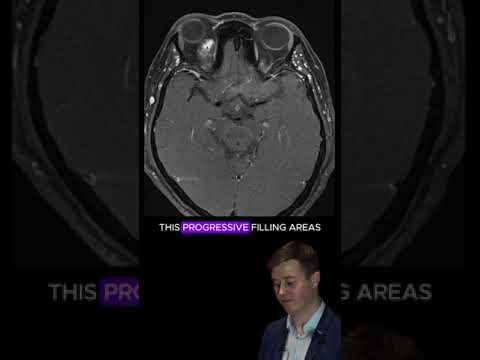
So, imagine this: you go to the doctor for a check-up, and they say, “Oh, you’ve got a hemangioma.” It’s like, what even is that? Sounds fancy, right? But wait! Don’t freak out just yet.
These things are like little blood vessel bumps that can pop up anywhere in your body. And while they’re mostly harmless, figuring them out can be a bit tricky. That’s where MRI comes into play!
You know how sometimes you just need that one special tool to get the job done? Well, MRI is like that superhero tool in medicine. It helps doctors see inside without actually having to open you up! Pretty cool, huh?
Today we’re taking a chill dive into how MRI is changing the game when it comes to detecting and understanding hemangiomas. Trust me; it’s way more interesting than it sounds. Let’s unravel this together!
Optimizing MRI Protocols for the Accurate Diagnosis of Liver Hemangiomas: A Comprehensive Guide
When we talk about liver hemangiomas, it’s pretty fascinating how MRI has become the go-to method for diagnosing these benign tumors. Like, seriously, the advancements in MRI technology over the years have changed the game.
So, let’s break down what you really need to know about optimizing MRI protocols for accurate diagnosis.
First off, what exactly are liver hemangiomas? Well, they’re like these tangled webs of blood vessels that can pop up in your liver. Most of the time, they don’t cause any problems. In fact, many people don’t even know they have one! But being able to spot them accurately is key.
Optimizing MRI protocols involves tweaking various elements to make sure we get a clear picture of what’s going on. Here are some important components:
- Field Strength: Higher field strength (like 1.5T or 3T) gives better images because it picks up more details. A 3T MRI can reveal subtle features that might not show at lower strengths.
- Sequences: Different types of sequences can highlight different aspects of a hemangioma. For instance, T1-weighted images and T2-weighted images provide crucial information about tissue characteristics.
- Contrast Agents: Using gadolinium-based contrast agents helps delineate blood vessels more clearly. This is super important because hemangiomas are vascular lesions; they thrive on blood vessels!
- Dynamics of Imaging: Dynamic contrast-enhanced imaging can show how quickly a lesion fills with contrast over time, allowing for more accurate assessment.
- Avoiding Artifacts: It’s crucial to minimize movement during scans since even a tiny shift can distort the image quality. Breath-hold techniques or using faster sequences can help with this!
You see, each piece matters when piecing together the complete puzzle of diagnosing liver hemangiomas!
An interesting bit here is how radiologists become detectives when interpreting these scans. When I was shadowing a radiologist once, I saw them study an MRI scan like it was art—every tiny detail counted! They pointed out how certain imaging features could differentiate between hemangiomas and other types of lesions like focal nodular hyperplasia (FNH) or even hepatocellular carcinoma (HCC). It makes you realize that this stuff isn’t just numbers and machines; it’s really about understanding human health.
You might also wonder about patient safety during these scans—especially regarding contrast agents. Yes, some patients might have allergic reactions or kidney issues related to them—but finding a balance between risks and benefits is essential for effective diagnostics.
A final thought? Continuous training and education for healthcare providers is crucial to keep up with advancements in technology. Staying current helps ensure that patients receive the most accurate diagnoses possible based on optimized protocols.
Soo yeah, as technology keeps evolving and we learn more about liver hemangiomas through rigorous research and practice refining those MRI protocols will definitely lead to better patient outcomes! It’s all part of the intricate dance between science and care.
Advanced Strategies for Flash Filling Hemangioma Treatment: Insights from Recent Scientific Research
Well, hemangiomas are pretty interesting little guys, aren’t they? They’re essentially benign tumors made up of blood vessels. You often see them in babies and kids. Most of the time, they pop up on the skin and look like red or purple spots. But sometimes, they can be deeper, affecting organs and tissues. That’s where things can get tricky.
Now, advanced strategies for treating hemangiomas are constantly evolving. Recent scientific research is shedding light on some promising methods that could change the game for patients. One of those methods is **flash filling** treatment, which combines a few different approaches to tackle these pesky growths effectively.
Let’s break it down a bit. Flash filling involves using imaging techniques to guide treatment decisions. This is where MRI (Magnetic Resonance Imaging) comes into play! MRIs offer super detailed images that help doctors see exactly what’s going on inside the body without having to go poking around with instruments.
Why is this important? Well, first off:
- Precise Diagnosis: MRIs allow medical professionals to determine not just the size but also the location and structure of hemangiomas.
- Monitoring: They provide a way to track changes over time, which is especially vital because some hemangiomas can shrink as kids grow.
- Treatment Planning: These images help in strategizing treatment plans that might include medications or even surgery if needed.
Let’s say you’re dealing with a hemangioma that seems to be growing rapidly; an MRI can help visualize if it’s pressing on nearby organs—like your liver or lungs—which could impact how quickly you need to act! It gives doctors insights into whether they should go for steroids or laser therapy instead.
And here comes one of the most fascinating parts: Recent studies have shown that combining MRI data with other tech can improve outcomes. For instance, some researchers are exploring **3D imaging** techniques that allow for even more precise visualization of these tumors before any intervention happens.
But don’t think it stops there! There’s also ongoing research into medications like beta-blockers—who knew those could help with this? They work by reducing blood flow to the hemangioma, helping shrink it down in some cases.
And I have this memory from when I was volunteering at a children’s hospital. There was this little girl named Lily who had a giant hemangioma on her cheek. The doctors used an MRI before starting her treatment plan—it was heartwarming but also kind of tough seeing how scared she was about it! But through innovative treatments and monitoring progress via imaging techniques like MRI, she saw significant improvement over time.
So yeah, as research progresses and we learn more about strategies like flash filling combined with advanced imaging technologies such as MRIs, lives could really be changed for the better! And hopefully soon enough, kids like Lily won’t have to deal with these things at all—or will at least have less invasive options available!
Comprehensive CT Protocols for Accurate Diagnosis of Liver Hemangiomas
When it comes to spotting liver hemangiomas, comprehensive CT protocols play a crucial role. So, let’s break this down without getting too technical, alright?
First off, a hemangioma is basically a benign tumor made up of blood vessels. They’re often found in the liver and are usually harmless. Many people don’t even know they have one until a scan reveals it. That’s where the imaging techniques come into play.
Now, CT scans—short for computed tomography—are often used because they provide detailed images of organs. For diagnosing liver hemangiomas, specific protocols help ensure accuracy. Here’s what typically happens:
- Contrast agent use: A contrast medium is injected into your bloodstream to improve image clarity.
- Timing: Scans are done at various intervals after the contrast injection to see how the hemangioma appears as it absorbs the contrast.
- Slice thickness: Thin slices of 1-3 mm are taken to ensure no detail is missed.
But wait, there’s more! The radiologist will look for certain features on the scan that suggest it’s a hemangioma rather than something scarier like cancer. You see, hemangiomas usually have a characteristic pattern of enhancement that helps in this differentiation.
So you might be wondering—why not just do an MRI? Well, MRIs can also be effective and sometimes offer even better detail than CT scans. They use magnetic fields and radio waves instead of radiation to create images. While CT is great for quick assessments, MRIs can show specific details about the tissue characteristics surrounding the tumor.
A personal story here: my friend had a liver hemangioma diagnosed via CT while they were investigating some unrelated stomach issues. At first, it was scary because nobody wants to hear about tumors! But once they learned about the nature of hemangiomas and how harmless they usually are—it was such a relief!
In terms of advancements in diagnosis—technology keeps improving! Newer machines are faster and more accurate. Also, artificial intelligence is starting to step in by analyzing images more efficiently than before.
To wrap this all up: accurate diagnosis through comprehensive CT protocols is vital for identifying liver hemangiomas correctly without jumping to conclusions about their nature. Plus, combining techniques like MRI can provide even clearer insights into what’s going on inside your body.
Remember that imaging isn’t just about pictures; it’s about clarity and peace of mind too!
So, let’s chat about hemangiomas and, like, how MRI really shines a light on these little mysteries. Hemangiomas are these benign tumors made up of blood vessels, and they often pop up in babies—sometimes right at birth or soon after. I remember a friend of mine who had one on his forehead when we were kids. We all thought it was just a cool birthmark until the doctors explained that it was actually a hemangioma. It’s funny how something that seems super ordinary can have an interesting backstory.
Now, the thing with hemangiomas is they don’t usually cause trouble; most of them fade away on their own as kids grow older. But sometimes they can be in tricky spots or start causing issues. That’s where MRI comes into play! This imaging technique is like having superhero vision—showing detailed pictures of what’s happening inside our bodies without any invasive procedures.
What’s really cool is that MRIs can help doctors see the exact size and location of these tumors. They can distinguish between different types of masses too. Like, you could have a hemangioma that’s just sitting harmlessly in the skin or one that’s deeper down and potentially affecting other organs. With advancements in MRI tech, healthcare professionals can make more accurate diagnoses more quickly than ever before.
Also, don’t you think it’s kinda wild how these advancements make things easier for parents? Instead of worrying endlessly about what a mass might be or if there’ll be complications down the road, doctors can now give clearer answers based on those images. It’s that feeling of relief when someone tells you everything’s gonna be okay because they’ve got solid proof to back it up.
The progress we’re seeing isn’t just about better images—it’s also about having conversations with families that are more informed and less stressful. As technology continues to evolve, who knows what other amazing insights we’ll gain? All in all, MRIs bring a whole new level of understanding to conditions like hemangiomas, making things less daunting for everyone involved!