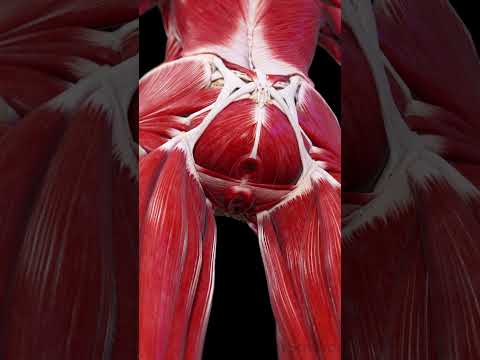
So, the other day, I was scrolling through my phone and stumbled upon this video about the female body. I mean, wow! You don’t really think about it, but there’s so much going on in there. It’s like a secret world of organs just doing their thing, right under our noses.
I once heard someone say that women are like living science experiments. It’s pretty hilarious but also kinda true. The way our bodies work is seriously mind-blowing! From hormones to organs, everything is connected in such fascinating ways.
It’s wild how every organ has its own role to play. Some are obvious—like hearts and lungs—but others? They’re the unsung heroes that get overshadowed in all the biological hype.
So let’s take a little journey through this amazing maze of female anatomy and see just what makes these organs so incredible. You’re gonna want to buckle up for this one!
Exploring the Functions of Female Reproductive Organs: A Scientific Overview
Alright, let’s talk about female reproductive organs. There’s a lot happening in there, and trust me, it’s super interesting. You might be surprised at how these organs work together, kind of like an intricate team that has a huge job to do.
First off, let’s start with the ovaries. These little gems are about the size of almonds and hold all the eggs a person will ever have – usually around 1 to 2 million at birth! As someone grows up, though, that number shrinks down to about 400,000 by puberty. Each month, during a cycle, one egg gets released in a process called ovulation. This is like the body saying, “Hey! I’m ready for potential baby-making!”
Next in line are the fallopian tubes. Imagine them as highways leading from the ovaries to the uterus. When an egg is released from an ovary, it travels through these tubes where sperm can meet it if conception is going to happen. It’s pretty wild how these tubes can even help guide the egg towards sperm — they have tiny hair-like structures called cilia that assist this journey.
Then we have the uterus, which is like a cozy home for a developing baby. It has thick walls that can expand quite a bit when needed. If fertilization happens (you know, when sperm meets egg), then this is where implantation occurs. But if there’s no fertilization? Well, every month, if pregnancy doesn’t happen, the body sheds the uterine lining in what we call menstruation.
The cervix, located at the bottom of the uterus and opening into the vagina, plays its role too. It produces mucus that changes throughout your cycle—thick and sticky when you’re not ovulating but gets stretchy and slippery around ovulation time to help sperm on their journey.
And let’s not forget about the vagina. This muscular tube connects everything from outside to inside and serves multiple functions—like being a conduit for menstrual fluid and also serving as part of birth canal during childbirth. And hey, it’s also where sexual intercourse happens!
You know what gets me? The way everything works together so seamlessly! Like think about your own body or someone you know; each phase of their cycle brings different hormonal changes that influence everything from mood swings to cravings—talk about multitasking!
The hormonal players here are mainly estrogen and progesterone. These hormones are super important because they regulate the reproductive cycle but also affect other parts of life too—like skin health and energy levels.
So there you have it! The female reproductive system isn’t just about making babies; it’s like this amazing orchestra where every instrument plays its part perfectly in harmony with others. It’s totally mind-blowing how much goes on behind the scenes!
Exploring the Unique Features of the Female Body: Insights from Science
Let’s chat about the incredible features of the female body, shall we? Seriously, it’s a masterpiece of design and function. From reproductive organs to brain structure, there’s so much to unpack.
First up, the reproductive system. It’s often where the conversation starts. The female reproductive organs, like ovaries and the uterus, play a vital role in creating life. Ovaries are like little factories—they release eggs and hormones. And get this: women are born with all the eggs they’ll ever have—around one to two million! But by puberty, that number drops dramatically to about 300,000 to 400,000. Isn’t that trippy?
The uterus is something else too. It grows and shrinks throughout a woman’s menstrual cycle. When pregnancy happens, it stretches way out—kind of like magic! And just think about it; this organ not only nourishes an embryo but also eventually helps in birthing new life.
- The brain is another fascinating part. Women tend to have a larger corpus callosum—the bundle of nerves connecting the two brain hemispheres. This might be why women often show stronger communication skills and multitasking abilities!
- Hormones influence so much. Estrogen and progesterone are key players in regulating mood and physical health. They can affect everything from emotions to metabolism!
- Heart health deserves a spotlight too. Women typically have smaller hearts than men but still pump blood just as efficiently! Plus, they often experience different symptoms during heart attacks which can be less recognizable than those seen in men.
Another cool thing? The immune system! Research shows that women’s immune systems seem to respond more robustly than men’s when fighting off infections. Women generally have higher levels of antibodies, which is pretty impressive when you think about how vital our defenses are at keeping us safe from illness.
You’ve probably heard people talk about women’s pain tolerance. Well, studies suggest that women might actually perceive pain differently compared to men due to hormonal fluctuations or genetics! It’s like their bodies have a built-in mechanism for saying “Hey, I can handle this!”
If we dive into skin health, women generally have more oil-producing glands than men, which keeps their skin hydrated. However, hormones also mean changing skin conditions throughout their lives—think puberty acne or pregnancy glow!
I mean wow! The human body is so intricate; every system has its quirks that contribute to overall functionality. Just imagine how all these features work together like an amazing orchestra creating harmony.
You know what? Next time you see someone talking about women’s health or anatomy—smile at how uniquely crafted our bodies are. Each aspect tells a story of evolution tailored over millions of years!
Exploring the Unique Organs of the Female Reproductive System: A Scientific Overview
The female reproductive system is, well, pretty amazing. Seriously, it’s packed with unique organs that play essential roles in reproduction and overall health. Let’s break it down, shall we?
The Ovaries
First up are the ovaries. These small, almond-shaped organs can be seen as the powerhouses of the female reproductive system. They produce eggs (ova) and hormones like estrogen and progesterone. Each month, typically one egg matures in an ovary and gets ready for ovulation. It’s like a mini-event every cycle!
The Fallopian Tubes
Next are the fallopian tubes, which are super cool structures connecting the ovaries to the uterus. If you think about it, they’re like highways for the egg. When an egg is released during ovulation, it travels down these tubes towards the uterus. Now here’s where things can get really interesting: this is also where fertilization usually happens if sperm is around.
The Uterus
Speaking of highways leading to a destination—let’s talk about the uterus. This muscular organ is where a fertilized egg implants itself and grows into a baby. If pregnancy doesn’t happen, the lining of the uterus sheds during menstruation, which can be a bit uncomfortable but also part of life! The uterus has layers with special functions: there’s the endometrium (the inner lining), myometrium (muscle layer), and perimetrium (outer wall).
The Cervix
Now get this—the cervix, which sits at the bottom of the uterus, plays a vital role too! It acts like a gatekeeper between the uterus and vagina. The cervix produces mucus that changes throughout your cycle; it gets thinner when you’re ovulating to help sperm swim through easier—how thoughtful! Plus, during childbirth, this organ stretches to allow for delivery.
The Vagina
And then there’s the vagina. It serves not just as a birth canal but also as part of sexual intercourse and menstrual flow exit point. The vagina is lined with strong tissues that can stretch quite a bit—definitely built for some serious action!
So yeah, each organ has its unique touches that contribute to making life possible. It’s incredible how these parts work together seamlessly as if they’re all in on an age-old secret! When you think about how intricate and synchronized everything is—it makes you appreciate just how complex—and beautiful—the female body can be.
In sum, understanding these organs extends beyond science; it goes into appreciating all those nuances that create life itself and how they’re interlinked in ways we might not even think about day to day!
You know, it’s pretty amazing when you start thinking about how our bodies work, especially women’s bodies. I mean, take a moment to appreciate all those incredible organs and systems that keep everything in check. A few days ago, I was chatting with a friend who just had a baby, and she was telling me about the wild changes her body went through during pregnancy. It hit me just how intricate and fascinating the female body really is.
Let’s talk about hormones for a sec. They’re like tiny messengers zipping around your body, influencing mood, energy levels, and even how you perceive pain. For instance, estrogen plays such a crucial role in regulating the menstrual cycle and proving bone health. Seriously! It’s like having an internal orchestra that’s keeping everything in harmony. And when you consider how different women experience these hormonal changes—like mood swings or cravings—it adds another layer of complexity.
Then there’s the reproductive system itself. The ovaries are not just about producing eggs; they’re also involved in hormone production! It’s sort of like they have this dual job where they’re always multitasking. When you think about it, each cycle represents not just a potential opportunity for life but also showcases the body’s ability to adapt and respond to changing circumstances.
But here’s something that really makes you think: did you know women are more likely to experience certain kinds of pain differently? Research shows that women often report higher levels of pain during things like heart attacks or migraines compared to men. Isn’t that wild? This could be due to those same hormones we talked about earlier or even societal factors.
And let’s not forget the immune system! Women generally have stronger immune responses than men—not to say one is better than the other because both have their perks—but it does give women an edge when it comes to fighting off infections or sicknesses.
It kind of blows your mind when you realize how much goes on beneath the surface every day! Each organ plays its part in this larger game of life—each one performing functions we often take for granted. Next time someone brings up women’s health, maybe share some thoughts on these remarkable functions; it definitely adds some depth to the conversation!