You know that moment when you accidentally bump your head and think, “Wow, what’s even in there?” I mean, the skull isn’t just a hard hat for your brain. It’s like a fortress with some serious cool features!
Seriously, the human skull is more than just a pretty face. It’s got all sorts of things going on—like protecting your brain and giving structure to your face. Plus, it has these weird little gaps and joints that make it super interesting.
So, let’s take a closer look at this bony puzzle we all have. There’s a lot to unpack! Who knew our heads could be so fascinating?
Exploring the Structure and Function of the Human Skull: A Comprehensive Guide in Anatomy
The human skull is one of those things we often take for granted. I mean, how many times a day do you think about your skull? Probably not that often! But this bony structure is super important for both protection and shape. It’s like the sturdy helmet your brain wears, keeping it safe from all those bumps and scrapes life throws your way.
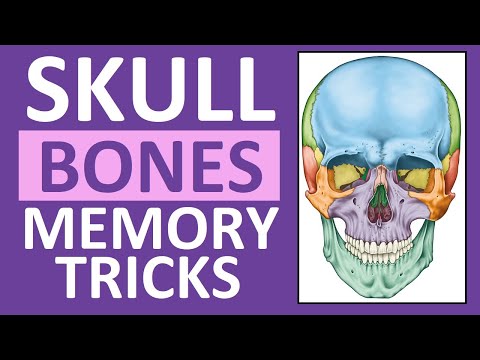
Let’s get into the nitty-gritty of the skull’s **structure**. It’s made up of 22 bones, which are generally divided into two main parts: the **cranial bones** and the **facial bones**. The cranial bones form the top and sides of your head, while the facial bones give you that lovely smile (or frown) you’re sporting.
Cranial Bones
- The cranium itself has eight distinct bones: frontal, parietal (two), temporal (two), occipital, sphenoid, and ethmoid.
- These bones fit together in an intricate way—almost like a jigsaw puzzle—to create a cavity for your brain.
Now, let’s move to those **facial bones**. There are 14 of them in total:
- The maxillae (two) form your upper jaw.
- The mandible is the only movable bone in your face; that’s why you can chew!
- Don’t forget about the zygomatic bones—those are your cheekbones, giving your face some depth.
Next up is function. You might think it’s all just about looks or protecting that precious brain, but there’s more to it! The skull also plays a crucial role in:
- Giving shape to your face and allowing for structures like teeth to anchor properly.
- Providing attachment points for muscles involved in chewing and facial expressions—it’s like a stage for emotions!
You know what’s cool? The sutures! These are fibrous joints where skull bones come together. They’re not solid; they allow for a little movement as we grow. When babies are born, their skulls aren’t fully fused yet; it helps them fit through the birth canal without risk of injury.
Then there are sinuses—the air-filled spaces within some of those cranial bones. They help lighten up our skulls but also play roles in sound resonance when we talk or sing. Imagine singing with stuffy sinuses; not fun!
Now here’s something interesting: injuries to the skull can have dramatic effects. Ever hear someone say they got “knocked out” from a hit? Well, that impact can cause concussions due to sudden movement within that bony fortress.
So next time you casually touch your forehead or scratch under your chin while thinking deep thoughts, remember there’s a lot going on beneath that surface! Your skull isn’t just bone; it’s intricately designed with purpose—protecting what makes you “you”.
Exploring the Unique Features of the Human Skull: Insights from Anatomy and Evolutionary Science
So, let’s talk about the human skull. You might not give it much thought, but this bony structure is like a storybook of our evolution and anatomy. Seriously! There’s so much going on in there that makes us, well, us.
First off, the skull is made up of **22 bones**. These aren’t just random pieces thrown together; they work in harmony. They form two main parts: the **cranial bones**, which protect your brain, and the **facial bones**, which give shape to your face. It’s kind of amazing how these pieces come together to create a protective case for that squishy brain of yours!
Now, if you look closely at the cranial part—let’s say, the frontal bone—it protects your forehead and contributes to your eye sockets. Pretty cool, right? The eye sockets themselves are called orbits; they’re designed not only for sight but also to support the muscles that move your eyes. Talk about multitasking!
When you think about evolution, it gets even more interesting. Our skull has changed over millions of years due to various factors like diet or environment. For instance, early humans had more prominent brow ridges and larger jaws because they needed strong teeth for chewing tough food. As our diets evolved—thanks to cooking and tools—our jaws became smaller over time. Imagine gnawing on a raw piece of meat compared to biting into a soft sandwich!
But it isn’t just about what we eat. The shape of our skull has affected how we communicate too! Our ability to speak is linked directly to facial bones and how we can shape sounds with our mouths. This unique aspect sets us apart from other primates.
Another fascinating thing is how our skulls accommodate our sense organs—our eyes, ears, nose—all are placed strategically thanks to those facial bones I mentioned earlier. Each part has its place—and trust me—that’s no accident!
And let’s not forget about those little soft spots on a baby’s skull called **fontanelles**. They’re super important during birth as they allow the skull to compress slightly when coming through the birth canal. As babies grow—to around 2 years old—these soft spots close up as they grow into their adult form.
Oh! And did you know that humans have this natural ability called **cranial plasticity**? Basically, it means that if you get an injury or something happens that alters one part of your skull, other areas can adapt over time! It shows just how resilient we are as a species!
So yeah, when you think about your skull next time you’re brushing your teeth or putting on some sunscreen (after all those UV rays can cause skin damage), remember: it’s not just a bunch of bones holding stuff in place; it’s an evolutionary marvel shaping who you are today!
Exploring the 7 Essential Functions of the Skull in Human Anatomy
The human skull is like a protective fortress for your brain. It’s not just a pretty face! There are actually a bunch of essential functions that the skull serves, and understanding them can really help you appreciate how amazing our bodies are.
1. Protection of the Brain
First off, one of the primary roles of the skull is to shield your brain from injury. Think about it: every time you trip or bump your head, it’s your skull that takes the hit. Made up of several bones fused together, it cradles your brain inside this hard shell. So, when you’re out there riding your bike without a helmet—yikes! That skull’s doing some serious work in keeping all those important thoughts safe.
2. Support for Facial Structure
The skull also provides support for our face. You know those cheekbones and jawlines? They’re all part of it! The bones in the skull give shape and structure to our faces. This structure helps us show emotions too; think about smiling or frowning—the way our facial features move is partly due to how the bones hold everything together.
3. Housing for Sensory Organs
Your skull is home to vital sensory organs as well. The eye sockets (orbits), nasal cavity, and ears are all integrated into it. When you’re enjoying a sunset or listening to music, it’s because these parts are snugly fitted into the bony structure, allowing you to experience the world around you fully.
4. Formation of Cavities
Speaking of cavities, they’re not just scary dentist terms! The skull contains several cavities—like sinuses—that lighten its weight and help with things like sound resonance when you speak or sing. Ever noticed how your voice sounds different when you’re stuffed up? That’s those sinuses at work!
5. Attachment for Muscles
Muscles need places to attach themselves, right? Well, the skull provides that too! Different muscles that control jaw movement, chewing, and even neck movement connect here. Ever try eating something tough without using much muscle? Yeah—it’d be quite a challenge!
6. Passage for Nerves
Your skull isn’t just about bone; it has openings for nerves as well! These nerve pathways allow sensations from your body to travel swiftly up to your brain and back down again. Like when you touch something hot—your hand sends signals through these nerves before you even realize what happened!
7. Production of Blood Cells
Lastly but not least importantly, some parts of the skull play a role in producing blood cells! The marrow found in certain bones creates red blood cells—those little guys needed for transporting oxygen throughout your body.
So there you go! Each function intertwines with others to form this incredible protective barrier we call the skull while also supporting countless other essential processes within our bodies—making sure we function smoothly every single day.
You know, the human skull is one of those things we often take for granted. I mean, it’s just there, right? But when you start to think about it, it’s really fascinating how this boney structure protects our brain and shapes our faces. It’s like nature’s own helmet!
So, let’s break it down a bit. The skull has 22 bones and they all fit together like a jigsaw puzzle. These bones aren’t just randomly stuck together; they’re connected by joints called sutures. It’s almost like they’re glued together for safety! This design helps keep our precious brains safe from bumps and bruises. And can you imagine if your skull wasn’t there? Your brain would be pretty exposed—definitely not ideal!
I remember a time when I accidentally bumped my head while playing basketball. Ouch! It hurt so much, but thankfully the skull cushioned the blow. It got me thinking: Wow, without this sturdy shield, who knows what could happen? Our skulls do an incredible job of protecting us from injury.
Then there’s the shape of our faces! The different parts of the skull give us unique features which help us express emotions—like when you smile or frown. That’s right; the cheekbones and jawline are part of that intricate design that makes each one of us look so different yet connected in this human experience.
And here’s something cool: within the skull are several cavities known as sinuses that help lighten its weight while also assisting with breathing and even giving our voices that unique sound! It’s like a little orchestra going on up there.
But with all these amazing functions, have you ever thought about how vulnerable our brains really are without this protective case? It’s kind of humbling when you sit back and realize just how organized and functional everything is—even if we don’t notice it daily.
So yeah, next time you touch your head or look in the mirror, remind yourself of that fascinating structure just below your hairline. It’s more than just a protective casing; it’s a big part of who we are. The human skull is an incredible blend of form and function—a true marvel of nature!