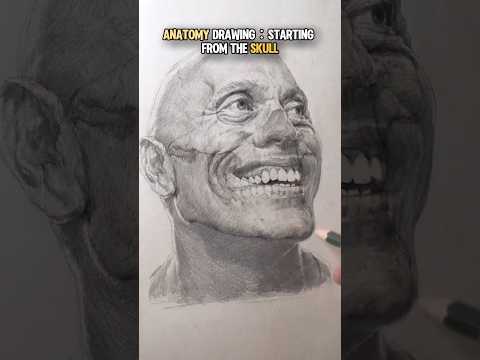
Did you know we have about 22 bones in our skull? Yeah, that’s right. It’s like a natural construction site up there, holding everything together!
So picture this: you’re at a party, and someone asks you to draw the human head anatomy from memory. Suddenly, you’re like a deer in headlights. Your brain’s racing through all those complicated parts – where does the nose go again?
But here’s the thing: understanding what’s under that skin can be super helpful. It’s not just for med students or artists; it tells us a lot about ourselves. Seriously! So grab a pencil and let’s untangle this amazing puzzle together. You ready?
Comprehensive Head Anatomy Drawing PDF: A Scientific Resource for Students and Educators
Head anatomy is an essential topic in the realm of biology and health sciences, particularly for students and educators navigating human anatomy. When you think about the head, it’s not just about facial features; it’s a complex structure that holds several crucial systems.
So, when we talk about resources like comprehensive head anatomy drawing PDFs, we’re diving into something quite valuable. These drawings can serve as visual aids that help you understand where everything fits in your noggin.
The basics of head anatomy include several important components:
- Skull: This is the bony structure that protects your brain. It’s made up of different bones fused together.
- Facial bones: These include the nose, jaw, and cheekbones, which give our face its shape.
- Bones of the inner ear: Tiny bones called ossicles help with hearing—pretty cool, right?
- Blood vessels: The arteries and veins transport blood to and from the brain and face.
- Nerves: Nerves in the head control senses like smell, taste, sight, hearing, and touch.
Now, why are these PDFs such a big deal? Imagine you’re in a study group trying to nail down how all these pieces work together. Having a detailed diagram can be a game-changer! It allows you to visualize connections between structures.
I remember back in school when I struggled with grasping where certain muscles were located on my study partner’s model head. We pulled out an annotated PDF of head anatomy one day, and it was like flipping a light switch! Suddenly everything made sense—the diagrams showed how muscles attached to bones looked like live action when we played around with expressions.
Then there’s also clinical relevance. Accurate anatomical drawings are vital for anyone entering healthcare fields—think doctors or dentists who need to know precisely where to look for issues during examinations or procedures.
Another thing worth mentioning is that these PDFs often come with labels that help reinforce learning. Seeing labels next to structures means less guessing when you’re trying to memorize terms like maxilla (the upper jaw) or zygomatic bone (the cheekbone).
Also, digital formats mean you can zoom in on areas of interest! This accessibility breaks down barriers; suddenly intricate details aren’t just reserved for textbooks gathering dust on shelves but available at your fingertips.
In summary, comprehensive head anatomy drawing PDFs are more than mere illustrations. They encapsulate vital information key for students eager to understand human biology inside and out. So next time you’re studying or teaching about human anatomy, consider pulling up one of these PDFs—they could be just what you need for that “aha” moment!
Comprehensive Guide to Head Anatomy Drawing Reference for Scientific Illustration
When you’re getting into drawing the human head, it’s more than just shapes and lines. It’s about understanding the underlying anatomy! The head is like a complex puzzle with various pieces that come together to create our unique faces. Let’s break it down, shall we?
First off, you have the skull structure. This is basically the foundation of everything. The skull has several key parts:
- Frontal bone: This is your forehead area.
- Temporal bones: These are located on the sides of your head, near your ears.
- Occipital bone: That’s the back part of your skull.
- Zygomatic bones: Known as the cheekbones, these help define your facial structure.
The thing is, understanding where these bones are located helps you accurately represent them on paper. Like, when I first started drawing, I totally struggled with getting proportions right. But once I learned about how those bones fit together, things clicked! You know?
Next up is muscles. The human face has muscles that allow for expression. Here’s what to keep in mind:
- Brow muscles: These help in frowning and raising your eyebrows.
- Mouth muscles: They assist in smiling or puckering up!
- Eyelid muscles: Think blinking and closing your eyes.
You can really tell a lot about someone just from their expressions. Seriously! So when you’re drawing, try to capture not just how they look but also what they feel.
The next major element is landmarks on the face. You’ve got basic markers that guide you while sketching. Here are some to remember:
- The eyes typically sit halfway down the head.
- The bottom of the nose aligns with a line drawn between the eyes.
- The mouth usually lies about halfway between the nose and chin.
I remember sitting with my friend who was studying art along with me at this local café. We used napkins to sketch each other’s faces while chatting away. Those little landmarks helped us get our drawings surprisingly accurate!
If you’re stepping into scientific illustration for research or educational purposes, consider using reference materials like anatomy books or online resources. They can provide detailed visuals and descriptions that make things clearer—like seeing diagrams showing muscle placements and their functions can be a game changer for your understanding!
A cool tip? Try drawing from photos at different angles! It’ll stretch those artistic muscles (pun intended) and give you more confidence when approaching real-life subjects later on.
If all this sounds heavy, don’t worry! Just take it one step at a time. Familiarizing yourself with each part of the head anatomy, sketch by sketch, will definitely make you feel like you’re making progress!
Mastering Head Diagram Drawing: A Scientific Approach to Visualizing Anatomical Structures
Alright, so you’re interested in mastering head diagram drawing? Cool! This is an awesome way to get a grip on human anatomy while expressing your creative side. I mean, who doesn’t enjoy mixing art with science, right? So, let’s break this down!
First off, think about why drawing anatomical structures is so useful. You see, when you sketch something like the human head, it helps you visualize the complexities of how everything fits together. It’s like putting together a puzzle but with your brain involved. You can get a handle on proportions and spatial relationships between different parts.
Now, let’s talk about some key structures in the human head that are a must-know for your drawings:
- Skull: The skull provides the basic shape of the head and is super important for understanding placement.
- Facial Bones: We’ve got cheekbones, jawlines—these define how a face looks.
- Muscles: Facial muscles help show expressions. Knowing where they are can highlight emotions in your drawing.
- Nerves: They don’t just connect everything; they also guide facial movement and sensation.
Now, there’s this kinda cool thing I want to mention: remember that time when you were trying to balance a spoon on the tip of your finger? It required focus and control to find that sweet spot. Drawing is similar! You need to observe carefully and practice repeatedly until it feels effortless.
When it comes to materials for drawing heads scientifically, start simply. Grab some paper and pencils; maybe throw in some colored pencils or markers if you’re feeling adventurous. Using referencing images or even 3D anatomy software can really help you nail down details.
Here’s a tip: when sketching, begin with basic shapes—think spheres for the skull and lines for the jawline. Gradually refine those shapes into more complex forms.
Oh! And shadows are essential for depth. A little shading here and there can transform flat features into something three-dimensional.
Also consider practicing from different angles. We don’t always look at faces straight on! Sometimes they’re tilted or turned slightly to one side; capturing these perspectives will make your drawings more dynamic.
For me personally, there was this moment during my first art class when our teacher encouraged us to draw a portrait without looking at our paper—that was nerve-wracking but taught me loads about observation!
So yeah—drawing diagrams of human heads isn’t just about replicating what you see; it’s also an exercise in understanding how everything functions together in reality. By mastering these diagrams, you’re not only honing your artistic skills but gaining scientific insight into human anatomy as well.
Keep practicing! With time and patience—seriously—you’ll find yourself getting better at both understanding anatomy and creating beautiful illustrations of heads that reflect that knowledge!
You know, human head anatomy can be kinda fascinating and complex. When you think about it, our heads are like a really intricate puzzle of bones, tissues, and organs all working together. I remember the first time I tried to draw the human head from a reference image. Man, it was a total challenge! I mean, the proportions are trickier than they look at first glance.
Let’s talk about the basics though. Our skull is made up of several bones that protect our brain—like a sturdy helmet for your noggin! There’s also the jawbone, which lets us chew and speak. The way these bones connect and move is just amazing. Drawing these details helps us appreciate how everything fits together.
And then you have muscles and skin over all that hard stuff. The facial muscles are super interesting because they’re not just there for show; they help us express emotions too! Can you believe that? A simple smile or frown involves a whole orchestra of tiny muscle movements beneath the skin.
If you take your time sketching out each feature—from the curves of the cheeks to the angles of the nose—it’s like you’re learning more than just how to draw. You’re actually getting an insight into how we function as humans! Plus, it takes patience and practice to get those proportions right, but when you do… man, it feels so satisfying!
So yeah, whether you’re an artist or just curious about how we tick on a biological level, looking closely at head anatomy can be pretty enlightening. And let’s be honest: there’s something kinda beautiful about seeing both science and art merge in such an intimate way!