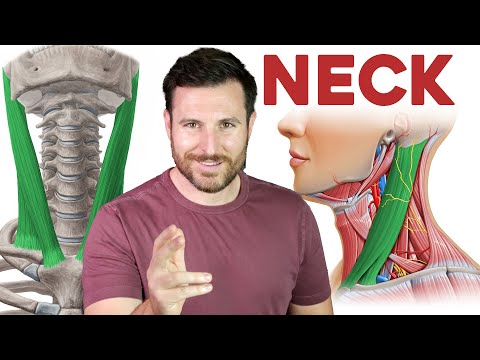
You ever tried to look over your shoulder while driving? That awkward twist you do? Yeah, we’ve all been there. You know what’s crazy? That simple action is all thanks to our neck muscles.
Seriously, those little guys do a lot more than just help you turn your head. They’re like the unsung heroes of our bodies! Without them, you’d be stuck staring straight ahead like a robot.
Think about it: every time you nod in agreement or strain to see the TV from across the room, it’s your neck muscles in action. They’re working hard behind the scenes, and honestly, they deserve some love and attention!
The Science Behind the Allure of Neck Muscles: Exploring Aesthetic Appeal and Attraction
The Science Behind the Allure of Neck Muscles
So, let’s talk about neck muscles. You know, neck muscles might not be the first thing that pops into your head when you think about attraction, but they’ve got a certain appeal that’s hard to ignore. It’s like when you see someone with a strong, well-defined neck—there’s just something about it that catches your eye.
Why do we find certain necks attractive? Well, part of it has to do with how the human brain processes aesthetics. When we look at someone’s neck, our brains don’t just see it as a body part; we interpret signals related to strength and physical fitness. A strong neck can suggest overall health and vitality. You know that feeling when you see someone with a chiseled jawline and a muscular neck? It gets you thinking about their strength and athletic ability.
Physical Evolution plays a role here too. In many cultures throughout history, muscular traits have been associated with being attractive. This association could trace back to our ancestors who relied on physical prowess for survival and reproduction. Those with stronger features were often seen as more capable mates. So yeah, there’s some evolutionary baggage tied in there!
Then there’s the idea of confidence. A person who carries themselves well—with good posture and an elegant neckline—exudes self-assuredness. It’s like how peacocks flaunt their feathers! Seeing someone stand tall with a nice neck can make them appear more approachable or appealing.
And let’s not forget about cultural influences. Different societies have various standards of beauty that highlight certain body parts over others. For instance, in many Western cultures, long and lean necks are celebrated in art and fashion. Think of models on runways; their elongated necks give off a vibe that’s both chic and graceful.
You’ve probably noticed how celebrities often highlight their necklines in photoshoots or red carpets? Think supermodels or actors—when they pose for pictures, they tend to elongate their necks to capture more attention! It’s all part of creating an image that resonates with audience perceptions of beauty.
One emotional perspective comes from personal experiences too. Maybe you have memories where someone with an impressive neckline made you feel something special—like admiration or even inspiration! Personal stories tie into our perceptions as much as biological instincts do.
But beyond aesthetics lays something deeper: functionality. The muscles in your neck are crucial for many everyday movements—you know, like turning your head or nodding along while talking to friends! They help maintain balance and support the weight of your head, which isn’t exactly light!
In summary, the allure of neck muscles is a mix of biology, culture—and honestly—personal experiences we gather as we move through life. It’s fascinating how such a seemingly simple aspect can communicate strength, confidence, and beauty all at once!
The Vital Role of the Cervical Spine: Understanding the Most Important Structure in Your Neck
You might not give it much thought, but the cervical spine is super important. It’s like the backbone of your neck, allowing you to do things like nod yes or shake your head no. This part of your spine is made up of seven vertebrae labeled C1 to C7. Each one plays a special role in making sure your head can move freely while protecting the spinal cord.
So, here’s what’s really cool: these vertebrae aren’t just stacked on top of each other. They work together with various muscles and ligaments to support your head, which weighs about as much as a bowling ball! Imagine trying to hold that weight without a sturdy structure—things would get messy real quick.
The cervical spine does more than just give you flexibility and strength. It also holds and protects the spinal cord running through it. This is crucial because any damage there could lead to pretty serious issues like loss of movement or feeling in different parts of your body.
But wait, there’s more! Your neck isn’t just about bones. The neck muscles around the cervical spine are essential too. They help you turn your head smoothly and keep it steady when you’re doing activities like driving or playing sports. Without these muscles working nicely with the vertebrae, simple actions would be a real struggle.
To break it down even more, here are some key points about why the cervical spine is vital:
I remember once being at a concert where everyone was jumping around having fun… until someone slipped and took a hard fall right on their neck! Thankfully, they were okay in the end, but it hit me how fragile that area can be. Just one wrong move could lead to significant issues when you consider how much goes on in that space.
In short, taking care of your neck by practicing good posture and avoiding strain is key! Your cervical spine does a ton for you every day without you even thinking about it—so why not show it some love?
Exploring the Intricacies of Human Neck Muscles: An Engaging Quizlet on Their Function in Anatomy
You ever thought about how much we take our neck muscles for granted? I mean, they’re always there, doing their thing while we go about our daily lives. But these muscles are like the unsung heroes of our anatomy! They help us turn our heads, nod, and even hold up that heavy noggin of ours. Let’s get into the details a bit.
Neck Muscles at a Glance
So, your neck is home to quite a few muscle groups. The major ones include:
- Sternocleidomastoid – This muscle helps you twist and tilt your head.
- Trapezius – You’ve probably heard of this one. It runs along your upper back and helps lift your shoulders.
- Scalenes – These are three muscles on the side of your neck that assist in breathing by elevating the first two ribs.
- Splenius Capitis and Cervicis – These help in extending and rotating your head.
The Magic of Movement
Now, let’s talk about movement. Imagine you’re at a concert—your friend waves from across the crowd. To see them, you need to turn your head, right? Well, that action involves those neck muscles working in harmony. The sternocleidomastoid plays a big part here by allowing rotation and flexion. When it contracts on one side, your head turns in the opposite direction!
But wait! There’s more to it than just turning heads (pun intended). Have you ever noticed how much strain is put on these muscles when you stare at screens all day? Over time, poor posture can lead to tightness or pain in those areas. A classic example is “tech neck,” where constant looking down causes discomfort.
Supporting Structures
Along with muscles come several important structures that work together with them. For instance:
- Cervical Vertebrae: Your neck has seven cervical vertebrae acting as support for all those muscle movements.
- Nerves: They control muscle movement and sensation—like when touching something hot or cold!
- Blood Vessels: Important for supplying oxygen to keep those muscles functioning properly.
Also, think about it—ever had a stiff neck after sleeping wrong? That can be caused by overworking those tiny stabilizing muscles around the cervical vertebrae.
Anecdote Time!
I remember this one time I was playing basketball with friends and went for a spectacular shot (or at least I thought it was!). In my enthusiasm, I twisted my neck awkwardly trying to make the play—and boy did I regret that! My poor sternocleidomastoid was not pleased with my decision-making skills that day. It took days for my neck to feel normal again!
That little tale brings us back to function again: these muscles are essential not just for movement but also for protecting delicate nerves running through the cervical spine.
The Bottom Line
Your neck muscles do so much more than help you bobble around; they support vital functions including head movement and posture maintenance. So next time you find yourself craning your neck or feeling tightness after staring at a screen too long, remember: those hardworking bundles of fibers deserve some love! Stretching or gentle exercises can go a long way in keeping them happy.
In short—a little respect for our neck muscles goes a long way!
You know, when you think about your neck, it’s easy to overlook just how much it does for us. Seriously, it’s like the unsung hero of our body. I remember one time I was at a concert, totally caught up in the moment, dancing and headbanging like there was no tomorrow. The next day? Ouch! My neck muscles were screaming at me. It made me realize just how essential they are.
So, let’s break it down a bit. Your neck isn’t just there to keep your head on straight; it’s like this complex network of muscles working hard to support everything you do. From nodding along to your favorite song to turning sharply when someone calls your name—it all depends on those muscles.
There are a bunch of different muscles in your neck. Some help you tilt and turn your head, while others support its weight and keep it stable. It’s kind of mind-blowing if you think about it. Without these muscles, every little movement would become an uphill battle—talk about a serious pain in the neck!
And then there’s posture—oh boy! Good posture relies heavily on these guys too. If they get weak from hunching over screens or slouching while lounging on the couch (guilty as charged), you might end up with not just discomfort but also tension headaches. Yikes!
So the next time you’re stretching or rolling your shoulders after a long day, just give some love to those neck muscles that do so much for us and honestly don’t get nearly enough credit. They’re like the behind-the-scenes crew at a concert: vital for making everything look effortless but often forgotten until something goes wrong!