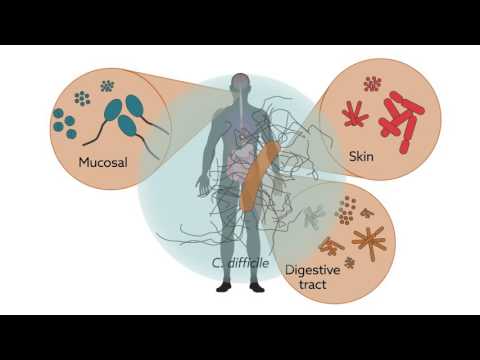
You know what’s wild? Our immune system is like a superhero squad, always on the lookout for villains, aka pathogens. It’s so good at its job that sometimes we don’t even notice the battle happening inside us! One tiny germ slips in, and boom! It’s game on.
But here’s the kicker: scientists are diving deep into understanding how this whole system works. It’s like they’re unlocking every secret of our body’s natural defense. Seriously, you’d be amazed at what they’re discovering in immunology and microbiology right now.
I mean, think about it. A few years ago, we didn’t even know how crucial some of these microscopic guys were to our health. Today? They’re changing the game! From new vaccines to understanding autoimmune diseases better, research initiatives are buzzing with excitement. So let’s chat about those recent advancements and why they matter to you—because this stuff is pretty cool!
2022 Breakthroughs in Immunology and Microbiology Research Initiatives: Exploring Innovations and Future Directions
You know, immunology and microbiology are fields that are constantly evolving. They’re like this ongoing race to understand how our bodies fight infections and what makes tiny microbes tick. In 2022, there were some pretty exciting advancements that shuffled the deck in these areas. Let’s break down a few of those highlights.
Advancements in Vaccine Technology
It’s no secret that vaccines have been a hot topic lately—thanks to COVID-19, of course! But beyond just the pandemic, researchers have made huge strides in vaccine tech. For instance, some teams have started experimenting with mRNA vaccines for other diseases. This is like giving our immune system a cheat sheet so it knows what to do when it encounters bad guys, you know?
Gut Microbiome Research
Another fascinating area is the gut microbiome. Studies are uncovering how our gut bacteria can impact everything from digestion to mental health. Research showed that certain gut microbes could influence how well vaccines work! It’s wild to think that little bugs living inside us can play such a big part in our overall health.
CRISPR Technology Advancements
Then there’s CRISPR—it’s been around for a bit but continues to grow like weeds in spring! This gene-editing tool has opened doors to not just understanding diseases but potentially curing them too. In 2022, scientists developed better methods of targeting specific genes related to immune responses. Imagine being able to tweak your immune cells so they fight off infections more effectively!
Personalized Medicine
Speaking of developing treatments, personalized medicine is another game-changer that’s gaining traction. Researchers are working on tailoring therapies based on an individual’s genetic makeup or their unique microbiome profile. This means instead of one-size-fits-all treatments, you get something crafted just for you. Pretty cool stuff if you ask me!
Collaboration Across Fields
One thing that stood out last year was the collaboration across various disciplines—like immunologists teaming up with computer scientists using AI for vaccine research. When people from different fields come together, it’s like mixing paint colors; new and unexpected shades emerge!
So anyway, looking ahead from 2022 into future directions—these advancements hint at even more innovative approaches coming down the pipeline. The possibilities seem endless! As we understand more about our immune systems and tiny microbes better methods for prevention and treatment might become second nature.
In this ever-changing landscape of science, it’s clear that embracing interdisciplinary efforts will be key in pushing boundaries further than we’ve ever imagined before—and I seriously can’t wait to see what comes next!
Exploring 2021 Breakthroughs in Immunology and Microbiology Research Initiatives
You know, when we think about immunology and microbiology, it’s easy to feel overwhelmed by all the technical stuff. But let’s break it down because there were some really cool breakthroughs in 2021 that shed light on how our immune systems and tiny microbes work.
First up, mRNA vaccines. You’ve probably heard about these during the whole pandemic thing, right? But they are not just for COVID-19! Researchers have been exploring their potential for other diseases as well. The way these vaccines work is pretty brilliant. They teach our cells how to recognize and fight off pathogens without exposing us to the actual disease-causing agent. It’s like giving our immune system a cheat sheet! And honestly, seeing this technology evolve in real-time was like watching a sci-fi movie become reality.
Next, let’s talk about gut microbiome research. This one’s super exciting because your gut is teeming with microorganisms that play a big role in your overall health. In 2021, scientists found out more about how these microbes can influence our immune response. They discovered specific bacteria that may help regulate inflammation and even protect against autoimmune diseases. Can you imagine? Those little bugs inside you could play a huge part in keeping you healthy!
Another fascinating avenue was the exploration of Immunotherapy for cancer treatment. In 2021, researchers made significant strides here too! They started combining immunotherapies with other treatments to make them more effective against different types of cancers. The idea is to unleash your own immune system on cancer cells so they can do their job better—kind of like giving your immune system a pep talk before its big game day.
Also noteworthy was the development of next-generation antibiotics. With bacteria becoming increasingly resistant to traditional antibiotics (thanks a lot, overuse!), researchers have been scrambling for solutions. In 2021, they made progress by creating new classes of antibiotics that target different mechanisms used by bacteria to defend themselves. It’s like giving doctors new weapons in their fight against these stubborn infections.
And hey, let’s not forget about vaccine research beyond COVID-19! Scientists were busy working on candidates for diseases like malaria and HIV throughout 2021. Advancements here mean we could be looking at effective vaccines soon—imagine what that would mean for global health!
In summary, the advancements in immunology and microbiology research initiatives in 2021 were nothing short of remarkable! From breakthroughs with mRNA vaccines to exciting developments in understanding gut health and cancer treatment, it seems like science is moving at lightning speed.
So yeah, if you ever doubted how important research is or wondered what goes on behind those lab doors—just remember these breakthroughs of 2021! How cool is it that all this knowledge can lead us towards healthier futures?
Exploring Recent Advances in Immunology: Innovations Shaping the Future of Science
Sure! Let’s chat about some of the cool stuff happening in immunology these days. You know, it’s not just about vaccines and all that jazz anymore. There are some pretty exciting advancements reshaping how we think about our immune system.
Immunotherapy is one area where things are really heating up. This kind of treatment harnesses the power of your own immune system to fight diseases, especially cancer. Imagine your body getting supercharged to tackle those nasty cells! One innovative approach here is CAR-T cell therapy. In this method, T-cells (a type of white blood cell) are taken out and modified in the lab to better recognize cancer cells before they’re sent back into your body. It’s like giving them superhero powers.
Another fascinating development is monoclonal antibodies. These are lab-made molecules that can mimic the immune system’s ability to fight off harmful pathogens. Think of them as targeted missiles aimed right at specific invaders like viruses or bacteria. They’ve been game-changers for treating conditions like rheumatoid arthritis and certain types of cancers. Oh, remember when there was that big push for treatments during the COVID pandemic? Monoclonal antibodies played a huge role there.
Now, let’s talk about how we’re getting smart with technology in immunology research. Artificial intelligence (AI) is stepping in big time! Scientists use AI algorithms to analyze vast amounts of data from immune responses, which can lead to quicker discoveries about disease mechanisms or vaccine effectiveness. Isn’t it wild how machines can help us understand our biology better?
Also, there’s been some remarkable buzz around microbiome research. You might be surprised to hear that the trillions of microbes living in our bodies influence our immune responses a ton! Studies suggest that gut bacteria affect everything from allergies to autoimmune diseases. It’s changing how we view health and disease management because it shows us that our immune health might start with what we eat!
And while we’re on the topic of food, let’s not forget dietary influences on immunity. Certain nutrients like vitamins C and D are known for supporting immune function—so keep those oranges and sunlight in your routine!
Vaccine development has also seen revolutionary progress lately—especially with mRNA vaccines used against COVID-19. This tech teaches your body how to prepare defenses against infections without using live pathogens. Researchers now see potential applications beyond COVID; they’re looking into using mRNA for other diseases as well!
To sum it all up—and I mean this literally—the future of immunology looks bright and promising! Innovations like immunotherapies, AI integration, microbiome understanding, and advanced vaccine technologies are revolutionizing healthcare as we know it today. So next time you hear someone chatting about breakthroughs in science, you’ll know there’s some seriously cool stuff going on behind the scenes!
You know, it’s pretty amazing how far we’ve come in immunology and microbiology. I remember back in school, when we’d learn about germs, antibodies, and all that jazz. It seemed like a whole world of tiny organisms that could either help or hurt us. But honestly, the more I dive into this field now, the more I see just how much we’ve advanced.
Just think about it for a second: not too long ago, people didn’t even know what bacteria really were! Now we’re at a point where researchers are using CRISPR technology to edit genes and potentially combat diseases. It’s like something out of a sci-fi movie! But the thing is, with all these advancements in understanding our immune system and the microbes living in our bodies, there’s also so much responsibility on our shoulders.
I once met this brilliant young scientist who was working on vaccines. Her eyes lit up as she explained how they were targeting specific pathogens with precision. You could feel her passion; it was contagious—pun intended! She shared stories of her lab’s experiments that aimed to outsmart these tiny foes lurking around us. Listening to her talk made me realize how vital research initiatives are—for all of us! There’s this constant race against time to ensure we’re protected from diseases that seem to evolve overnight.
And let’s not forget about microbiomes. They’re like your body’s personal ecosystem! Research has shown that these little guys can influence everything from digestion to mood. How cool is that? So many teams are out there mapping these ecosystems to unlock their secrets and find ways to keep them balanced. Honestly, sometimes I wonder if there’s anything cooler than discovering how interconnected we all are through these microbe communities.
Of course, with great power comes great responsibility—or so they say! As advancements continue, we also need to think critically about ethics and potential consequences of manipulating life at such fundamental levels. Are we prepared for really understanding how these tiny changes might ripple through nature? It’s not just science fiction anymore; it’s real life!
You gotta admit: while the complexities can seem overwhelming at times, every new finding opens doors to countless possibilities for healthcare and beyond. So here’s hoping that curiosity keeps driving us forward because who knows what else lies around the corner in immunology and microbiology?