You know that moment when you think you’ve got a cold, and your first instinct is to chug vitamin C like it’s some kind of magic potion? Yeah, been there!
But, here’s the kicker—what’s really going on inside your body? Seriously. There’s this whole microscopic world buzzing around that can either save you or send you down the road of sniffles and sneezes.
That’s where microbiology and immunology strut in like the superheroes they are. These fields are all about understanding how tiny organisms influence our health. They help us figure out what makes us sick, and—more importantly—how to kick those pesky bugs to the curb.
It’s not just about germs; it’s about fighting them off with full-on ninja moves. So let’s chat about how these little guys play a big role in keeping us healthy! Sound cool?
Exploring the Benefits of a Microbiology and Immunology Major: Career Prospects and Academic Insights
So, you’re thinking about diving into the world of Microbiology and Immunology? That’s a pretty cool choice! This area of study is not just about tiny germs and your immune system; it actually opens up a bunch of doors for your future career. Let me break down what’s in store for you.
First off, let’s talk about what you’ll actually learn. When you major in microbiology and immunology, you get to explore the fascinating interactions between microorganisms and the immune system. You’ll delve into topics like how bacteria cause diseases or how viruses operate, which is pretty relevant since we’ve seen a lot of that lately, huh? And beyond just the science, you’ll also learn lab techniques that are super important in real-world applications.
Now, onto those career prospects. Graduates with a degree in this field have loads of options. Here are a few pathways that might spark your interest:
- Research Scientist: You could work in labs studying diseases and developing new treatments. Think about being part of groundbreaking research!
- Clinical Microbiologist: In hospitals or diagnostic labs, you’d help identify pathogens causing infections and figure out how to fight them.
- Pursue Further Studies: Many students go on to get their PhDs or even medical degrees. This could lead to roles in academia or clinical settings as physicians or professors.
- Biotechnology Firms: Companies need experts who can apply microbiological principles to create new products, like vaccines or antibiotics!
You know what’s really neat? The skills you’ll gain aren’t just academic; they’re super transferable too! Whether it’s analytical thinking from solving complex problems or hands-on experiences from lab work, these skills are valuable no matter where you land.
The job market for microbiologists and immunologists has been pretty strong recently. With ongoing health challenges globally, there’s a constant demand for professionals who understand microorganisms—especially as we navigate things like antibiotic resistance or emerging infectious diseases. Like when COVID-19 hit; having experts in this field was crucial!
Your education won’t just be confined to textbooks either. There are exciting opportunities for internships during your studies that can provide real-life experience. Imagine working alongside scientists who are making discoveries that could change lives—it really puts everything into perspective!
If you’re still unsure about this major, think about the emotional impact your work can have on society. Helping develop vaccines can literally save lives! The sense of purpose that comes from contributing to public health is something many people find rewarding.
This path isn’t just about science; it’s also an opportunity to bridge gaps between different fields like health care and public policy—another way your degree could make a difference.
In short, pursuing a major in microbiology and immunology isn’t just an academic choice; it’s stepping into a vibrant community focused on improving health outcomes worldwide! So if you’ve got curiosity and passion for science—dive into it headfirst!
Exploring Microbiological Sciences and Immunology: Understanding Their Role in Modern Science
Microbiology and immunology are like the dynamic duo of science. They work behind the scenes, keeping us safe and healthy. Let me break it down for you.
Microbiology is all about tiny organisms—think bacteria, viruses, fungi, and parasites. These little guys are everywhere! Some hang out in your gut, helping you digest food, while others can make you sick. Ever had a stomach bug? Yeah, that’s probably some bacteria or virus throwing a party in your tummy.
Now, here’s where it gets interesting: not all microbes are bad! In fact, *good microbes* play crucial roles in our ecosystems. For instance:
- Decomposition: Microbes break down dead plants and animals, recycling nutrients back into the earth.
- Food Production: Ever heard of yogurt or cheese? Yep, those tasty treats come from good bacteria!
- Environmental Health: Microbes help clean up oil spills by breaking down pollutants.
On the flip side, we have immunology, which is all about our body’s defense system. Think of your immune system as an army protecting you from invaders like viruses and bacteria. It’s pretty amazing how it works!
When a harmful microbe enters your body, your immune system springs into action:
- Recognition: Special cells detect the intruders using proteins on their surfaces.
- Response: Your body produces antibodies to fight off these invaders.
- Memory: After an infection, some immune cells remember how to fight that specific invader if it tries to attack again.
It’s like training for a marathon—you prepare so that when race day comes (or when that nasty cold hits), you’re ready to conquer!
One time I got really sick after traveling abroad. I couldn’t believe how my body reacted! I learned firsthand just how smart my immune system is. After a few days of feeling miserable, my body kicked into high gear and started fighting back. It was like having my own superhero squad inside me!
Together, microbiology and immunology have revolutionized modern science and health care.
A few crucial areas where they intersect are:
- Vaccines: They teach our immune systems how to recognize and combat diseases without getting sick first.
- Antibiotics: Understanding how bacteria work has led to powerful medicines that can save lives.
- Disease Prevention: Studying microbes helps us understand how diseases spread and how to stop them.
The relationship between microbiological sciences and immunology is super important not just for our health but also for things like environmental sustainability.
So next time you think about germs or vaccines—or even that yummy yogurt—remember: there’s an entire world of tiny organisms working behind the scenes for us! Isn’t that wild?
Exploring Career Paths: Opportunities with a Degree in Immunology in the Science Field
So, you’re curious about what you can do with a degree in immunology, huh? That’s cool! Immunology is this fascinating branch of biomedical science. It dives into how our bodies fight off diseases, which is super important in our health. If you’re into understanding the immune system and how it protects us from all sorts of nasties, there are actually quite a few paths you can take.
First up, one of the most popular routes is **research**. You could find yourself working in a lab, trying to uncover the mysteries of diseases like cancer or autoimmune disorders. Researchers are often the heroes behind new treatments and vaccines—it’s like being on the front lines of health innovation! Imagine waking up every day knowing that your work could save lives!
- Academia: Many immunologists choose to teach at universities. It’s rewarding to share your passion for science with students and help shape future scientists.
- Industry: Working for pharmaceutical companies is another option. You might develop new drugs or therapies. This path often leads to more funding and resources for your research.
You could also dabble in **clinical work**, which is all about applying what you’ve learned directly to patient care. For instance, you might work as a clinical immunologist—a fancy title for someone who helps diagnose and treat immune system-related issues.
- Diagnostics: Imagine testing samples from patients to figure out what their immune challenges are. This hands-on patient interaction can be super meaningful!
- Consultancy: Some immunologists even provide expert advice to health organizations or governments on public health strategies—helping shape policies that affect a ton of people.
If you’re not into research or clinical work, there’s always **science communication** or **education**! This involves breaking down complicated topics into bite-sized pieces for general audiences—kind of like what I’m doing here! You’ll get to write articles, create educational content, or even give talks at conferences. It’s all about making science accessible and exciting!
And hey, don’t forget about **policy-making**! Immunologists can influence public health by working with NGOs or government agencies to develop strategies that govern healthcare practices—especially critical during epidemics or pandemics.
I remember chatting with someone who worked in vaccine development during a major outbreak. They told me how fulfilling it was knowing their work helped millions get back on track safely. Moments like those are truly special; they remind us why we care so much about science!
The key takeaway? A degree in immunology opens doors to many paths—whether you’re tinkering away in a lab or advocating for better health policies from behind a desk. It’s all valuable and contributes massively to bridging the gap between science and health!
If you’re passionate about understanding how our bodies defend against sickness while helping others along the way, then diving into this field could be your calling!
You know, there’s something kind of amazing about how science wraps around our health, especially when you look at it through the lenses of microbiology and immunology. These fields might sound a bit nerdy or super technical at first, but trust me, they’re basically the superheroes of our immune system.
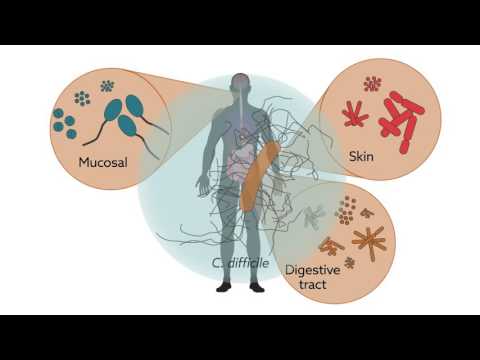
Let’s talk about microbiology for a sec. Think of it as the study of tiny life forms—like bacteria, viruses, fungi, and all those microscopic critters. They’re everywhere: on your skin, in your gut, floating in the air. It’s wild! Some of these little guys are actually our buddies; they help digest food and keep us healthy. Others? Well, not so much. They can make you sick if you give them a chance.
Then there’s immunology, which is all about how our immune system fights back against those pesky invaders. Have you ever had a cold? That annoying runny nose and cough? Yep! Your body was like a little battleground inside there. White blood cells were battling it out to push those germs away. The cool thing is that when your body wins that battle, it remembers the bad guys for next time—kind of like keeping a list of troublemakers.
I remember once getting really sick during flu season. I was stuck in bed for days with my mom bringing me soup. I felt like a zombie! But what struck me was how my body was working hard even when I felt awful—fighting off that virus with everything it had. It made me appreciate all those tiny microorganisms we barely think about every day.
Now here’s where things get even cooler: microbiology and immunology are teaming up to tackle some big health issues! Researchers are diving deep into how our gut bacteria influence diseases like diabetes or even mental health conditions like depression. It’s pretty mind-blowing to think about how this tiny life impacts overall well-being.
Plus, vaccines? Total rock stars in bridging these two worlds! They train our immune systems to recognize harmful pathogens without us having to get sick first. It’s like sending in reconnaissance troops before an actual battle—you’re better prepared!
So yeah, when we connect these dots between microbiology and immunology with health care, we open doors to new treatments and preventive measures that could save lives. It’s kind of inspiring to see science at work so closely tied to our everyday lives—even if sometimes it’s just below the surface or hidden away in some petri dish.
At the end of the day, microbes aren’t just some boring lab stuff; they play epic roles in keeping us healthy—or making us feel crummy! Embracing this whole idea helps us understand not only our bodies better but also appreciate the intricate dance that keeps us alive and thriving every single day.