You know what’s wild? Back in the day, nurses were mostly scribbling notes on paper, hoping their handwriting was legible. I mean, imagine trying to read someone’s chicken scratch while juggling patient care. Total chaos, right?
Now, fast forward to today. We’ve got fancy tech that could rival a sci-fi movie. Tablets, apps, and all that jazzy stuff make nursing more efficient and way less stressful. It’s like giving nurses superpowers!
Think about it: the way nursing is transforming through technology is mind-blowing! From tracking patient info in real-time to using telemedicine for consultations? It’s like a game changer for the whole healthcare scene.
So stick around! Let’s chat about how informatics is reshaping nursing into something cooler than ever. You’ll be amazed at what’s happening behind the scenes!
Integrating Nursing Informatics and Technology: Advancements in Information Management Systems Within Healthcare Science
So, integrating nursing informatics and technology is kind of a big deal in healthcare these days. It’s all about using data and tech to make nursing practice smoother and more efficient. I mean, just think about it: the right information at the right time can literally save lives.
When we talk about nursing informatics, we’re looking at how nurses use data, technology, and systems to improve patient care. This is not just about keeping records; it’s about making sure that every decision made is based on solid information. And hey, with all the advancements we’ve got now, this process has become way more streamlined.
A huge part of this integration is by utilizing information management systems. These systems collect, store, and analyze vast amounts of patient data—from electronic health records (EHRs) to telehealth platforms. It’s like having a super brain that helps nurses access patient histories instantly! Imagine being on a night shift and needing to know if a patient has allergies or previous medication effects. With these systems in place, you don’t have to dig through piles of paper or wait around for someone else to find the info.
And let’s not forget about telehealth. This isn’t just a fancy term; it’s changing how we deliver care. Nurses can now monitor patients remotely using devices that track vital signs in real-time. If something seems off, they can act quickly—like having eyes everywhere! This kind of immediacy was unheard of years ago.
In addition to EHRs and telehealth platforms, there are also advanced analytics tools involved in healthcare now. They look at trends within large sets of data—like how many folks are coming in with a certain illness during flu season—and help hospitals prepare better for those spikes in patient influx. It’s smart thinking!
You know what really gets me excited? The use of artificial intelligence (AI) in detecting patterns in patient data that may signal deteriorating conditions before they become critical. Some innovative systems are even being designed to alert healthcare providers when intervention might be needed based on algorithms analyzing real-time data—a lifesaver for busy wards!
Now let’s talk training because all this technology sounds great but means nothing if nurses aren’t trained properly to use it! That’s why incorporating informatics into nursing education is crucial now more than ever. Future nurses need hands-on experience with these technologies while they’re still studying so they hit the ground running once they start working.
However, there are some hurdles too—even though things are getting better! Not every nurse feels comfortable with tech or understands how to leverage these tools effectively initially. Then there are issues like ensuring privacy when handling sensitive patient information—nobody wants their medical history floating around unprotected.
So yeah, integrating nursing informatics and technology isn’t just a trend; it’s transforming the very fabric of healthcare! By using advanced information management systems efficiently combined with solid training programs for nurses, we’re paving the way towards healthier outcomes for everyone involved—patients included!
In short:
- Nursing informatics improves care via data-driven decisions.
- EHRs give instant access to vital patient info.
- Telehealth enhances monitoring without physical presence.
- Advanced analytics predict trends for better hospital management.
- AI helps early detection of potential health crises.
- Nurse training ensures effective use of new technologies.
- Privacy concerns must be addressed continuously.
Isn’t it cool how far we’ve come?
The Critical Role of Nursing Informatics in Advancing Healthcare and the Science of Nursing
Nursing informatics is like the secret sauce in healthcare, blending technology and nursing to improve patient care. Imagine a nurse who can pull up a patient’s entire medical history with just a few clicks. That’s the power of informatics! It helps nurses access critical information quickly, which is super important, especially in emergencies.
First off, let’s talk about data management. Nurses collect loads of data every day—from vital signs to medication records. With nursing informatics, they can organize and analyze this data efficiently. For instance, if a patient has a sudden change in their heart rate, nurses can easily check past records and spot trends. This kind of insight can lead to quicker interventions that save lives.
Then there’s communication. Think about it: nurses are often the middlemen between doctors and patients. Informatics tools like Electronic Health Records (EHRs) streamline communication by ensuring everyone has access to the same information. This reduces errors and improves teamwork. For example, when shifts change at hospitals, incoming nurses can quickly get up to speed without missing any crucial details.
Also, we’ve got patient engagement. Nursing informatics encourages interaction by giving patients access to their own health data through portals or apps. You know how sometimes you get an email notification from your doctor? Well, those reminders or educational materials about medications help keep patients informed and engaged in their own care.
Now let’s not forget about training and education. With ongoing tech innovations in nursing informatics, continuing education for nurses has never been more accessible. Online courses and simulations allow nurses to learn new skills at their own pace without stepping away from their jobs too much—super handy!
And don’t ignore research opportunities. Informatics opens doors for evidence-based practice by providing vast amounts of data for clinical studies. Nurses can contribute insights that shape future health policies or improve care protocols based on solid data analysis rather than guesswork.
Lastly, consider that as technology keeps evolving, so will the role of nursing informatics in addressing challenges within healthcare systems—like staffing shortages or patient overloads during crises like pandemics.
In short, nursing informatics integrates technology into daily nursing practice effectively boosting healthcare quality while making life a bit smoother for both patients and healthcare providers. The blend of these worlds ensures better outcomes—a win-win situation!
The Impact of Technology on Nursing Practice: A Comprehensive Analysis in Science
So, let’s talk about how technology is shaking things up in the nursing world. It’s like, suddenly, nurses aren’t just dealing with patients and paperwork anymore; they’ve got all this tech to help them do their jobs better! Pretty cool, right?
First off, electronic health records (EHR) have changed the game. Instead of flipping through piles of paper charts, nurses can access patient info with just a few clicks. Imagine needing to find out if a patient has allergies or checking their medication history instantly. It saves time and helps avoid mistakes.
Another biggie is telehealth. You know how sometimes you’re too sick to trek all the way to the clinic? Well, now patients can have virtual check-ins with their nurses or doctors right from their homes! This is especially helpful for folks who live in remote areas. It creates access that didn’t exist before.
Then there’s nursing informatics, which blends nursing practice with information technology. Basically, it’s about using data to enhance patient care and outcomes. Nurses can analyze trends in their patients’ health data to predict problems before they happen—like recognizing when someone might be at risk for developing complications.
Don’t forget about mobile applications. Nurses use apps to manage schedules, look up drug interactions on the fly, or even receive alerts about critical lab results straight to their phones! How convenient is that? Seriously makes the job feel more manageable.
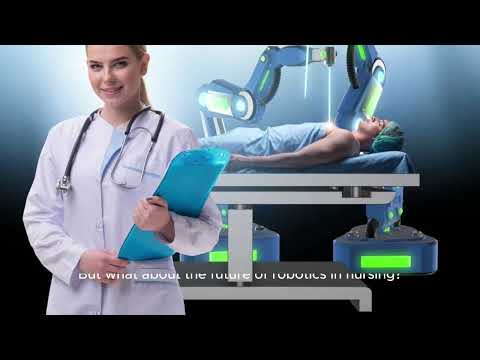
Also, robotics is entering the field too! Some hospitals are starting to use robots for tasks like delivering supplies or medications within the facility. It frees up nurses’ time so they can focus on patient care instead of running errands around the hospital.
That said though, it hasn’t been all smooth sailing with tech. There are concerns about data privacy—especially since nurses handle sensitive patient information daily. Keeping that info safe is crucial! And there’s also the issue of training; not every nurse feels comfortable juggling new technologies alongside traditional practices.
In summary, technology has totally transformed nursing practice in ways we couldn’t have imagined even a decade ago. EHRs streamline workflows, telehealth boosts access to care, nursing informatics introduces smart decision-making tools, mobile apps offer convenience at fingertips and even robotics help lighten workloads! That means nurses can spend more time where it really counts—caring for patients—while still navigating some bumps along the road concerning privacy and training challenges.
So next time you see a nurse working away at a computer or chatting on video calls with patients from afar, know that they’re embracing these innovations to make healthcare better for everyone involved! How awesome is that?
You know, when I think about nursing, the image that pops into my mind is that of a dedicated nurse helping patients, like a superhero in scrubs. But what’s really cool is how technology has crept into that world and shaken things up in an amazing way. Seriously!
I remember visiting my grandmother in the hospital a couple of years ago. She was being taken care of by this incredible nurse who juggled several tasks at once. But here’s the thing: instead of just running back and forth with paper charts, she used a tablet to check on my grandma’s medications and vital signs. It was like watching a magician at work! That little device helped her keep everything organized and efficient.
So, let’s talk about how informatics has transformed nursing. First off, electronic health records (EHRs) have completely changed the game. Nurses can now access patient information instantly—no more flipping through pages to find what you need! This not only saves time but also keeps everyone on the same page about a patient’s care.
And it goes beyond just records; telemedicine is another biggie. I mean, imagine being able to check in with your doctor from home without needing to sit in traffic or wait for hours in a waiting room. Nurses play an essential role here too! They help manage appointments and guide patients through virtual visits, ensuring everyone feels comfortable with this new tech.
Also, let’s not forget about those fancy apps designed specifically for nurses. They can track patients’ conditions, remind them about medications, or even provide quick access to protocols—all right from their smartphones! It’s like having a pocket-sized assistant ready to help out whenever needed.
But while all this tech sounds great—and it totally is—we also need to remember the human part of nursing. You can’t replace empathy with data points or algorithms, right? There’s something special about human connection in healthcare; it’s what brings comfort to patients when they’re feeling their worst.
In the end, I think it’s all about balance—combining high-tech innovations with that warm-hearted touch you get from real-life interactions. As exciting as these changes are for nursing through informatics and technology, we’ve got to hold onto what makes caring for people so unique: compassion and understanding.
So next time you see a nurse using their tablet or chatting with someone over video call, just take a moment to appreciate how far we’ve come and where we’re headed together. Those superheroes in scrubs are embracing the future while keeping their hearts right where they belong—with their patients!