So, picture this: you’re at a party, chatting it up with your friends, and someone mentions the heart. Someone else cracks a joke about love being the real “muscle” that keeps us going. And you’re just standing there, nodding along—but what if I told you that our hearts are more than just romantic clichés?
Seriously! This little organ is like a super-efficient pump working around the clock. Just imagine it beating about 100,000 times a day—no coffee breaks or anything! Isn’t that wild?
But, here’s the thing: most of us don’t really know what’s going on inside that muscle. It’s like having an epic secret locked away in your chest! So how about we dig into some cool insights about the heart’s anatomy? You might find yourself impressed by what this powerhouse can do—and maybe even grateful for it!
Comprehensive Guide to Heart Anatomy: Downloadable PDF Resource for Scientific Study
The heart is an incredible organ, isn’t it? It’s not just a muscle; it’s like the engine of our body, pumping blood and delivering oxygen to every corner. But let’s break it down.
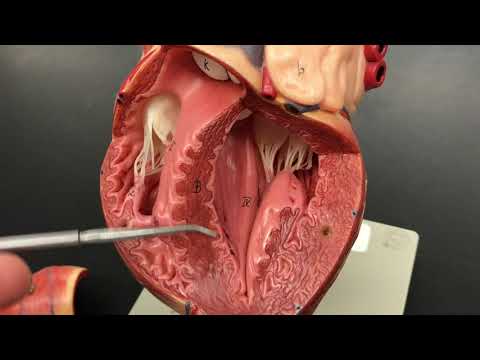
You have four main chambers in your heart: the right atrium, the right ventricle, the left atrium, and the left ventricle. Each of these has its own job. The right atrium receives deoxygenated blood from your body, while the right ventricle pumps this blood to the lungs, where it gets oxygenated. After that, the freshly oxygen-rich blood returns to the left atrium and moves into the left ventricle. This is where things get intense because the left ventricle is responsible for pumping that oxygenated blood out to your body.
Now let’s talk about valves! You’ve got four important ones hanging out in there:
- Tricuspid valve: between the right atrium and right ventricle.
- Pulmonary valve: leading from the right ventricle to the lungs.
- Mitral valve: between the left atrium and left ventricle.
- Aortic valve: sending blood from the left ventricle to your aorta.
These valves are super important because they control blood flow and prevent backflow. Imagine a concert—if everyone starts pushing in all directions at once, chaos ensues! These valves help keep everything flowing smoothly like a well-rehearsed band.
Don’t forget about coronary arteries! They’re like little highways delivering nutrients and oxygen directly to your heart muscle itself. If these roads get blocked… well, that can lead to some serious issues like heart attacks.
This entire structure is surrounded by a protective layer called pericardium. Think of it as a cozy little sack that cushions your heart while allowing it room to move.
And here’s something cool: if you were to open up an anatomy textbook or download one of those PDF resources for study, you’d find detailed diagrams showing all of this. These diagrams are filled with labels that make everything clearer—you can really see how everything connects! You might even stumble upon animations online that show how blood flows through each chamber and valve.
So when studying heart anatomy, remember: each part has its unique role in keeping you alive. The heart gives life rhythm—quite literally! And understanding this amazing organ can even make you appreciate those moments when your heart races during excitement or calms during relaxation.
Anyway, next time your heart beats fast with some strong emotion or activity, just think about all these intricate parts working together—pretty mind-blowing stuff!
Comprehensive PDF Guide to Heart Anatomy and Physiology: Understanding Cardiac Structure and Function in Science
Sure! Let’s take a closer look at the heart and how it works. Understanding heart anatomy and physiology can seem pretty complicated, but it’s super interesting once you get into it.
The Heart’s Structure
So, the heart is basically a muscular organ about the size of your fist. It has four main chambers: two atria (that’s the plural of atrium) and two ventricles. The right atrium receives oxygen-poor blood from the body, while the left atrium gets oxygen-rich blood from the lungs. After that, blood moves to the ventricles—right ventricle pumps it to the lungs again, and left ventricle sends it out to your entire body.
You follow me? Now, onto some important parts:
- Valves: These are crucial for keeping everything flowing in one direction. You’ve got four main valves: tricuspid, pulmonary, mitral, and aortic.
- Septum: This is a wall that divides the heart into right and left sides. It keeps oxygen-rich and poor blood separate.
- Coronary Arteries: These supply blood to the heart muscle itself because even your heart needs oxygen!
The Heart’s Function
Now let’s jump into how this cool organ actually works. The heart beats due to electrical signals that tell it when to contract. The main pacemaker is called the sinoatrial (SA) node; think of it as your heart’s natural alarm clock! When these electrical signals go through, they cause your muscles to contract and pump blood.
It’s like a never-ending cycle:
1. Blood comes in through the atria.
2. Atria contract and push blood into ventricles.
3. Ventricles contract next—boom! Blood goes either to lungs or out to your body!
Pretty amazing stuff, right?
Circulation Pathways
There are two primary pathways for circulation:
- Pulmonary Circulation: This pathway sends deoxygenated blood from the right side of your heart to your lungs for oxygenation.
- Systemic Circulation: Here’s where you get that sweet oxygenated blood delivered from your left side out through arteries to nourish every cell in your body!
This cycle happens all day long without you even thinking about it! Imagine if we had to remember each beat—yikes!
The Importance of Heart Health
Taking care of our hearts is crucial because they’re like our own personal engines. If something goes wrong—think clogged arteries or valve issues—it can affect everything else in our bodies. You might have heard about things like cholesterol or high blood pressure; those are key players when we talk about preventing heart disease.
In essence, understanding this intricate structure and its function helps us appreciate why taking care of our hearts is vital for overall health.
So there you have it—a little journey through cardiac anatomy and physiology! Next time someone asks you about how your heart works, you’ll be ready with some awesome info!
Understanding the Structure of the Heart: A Comprehensive Exploration in Cardiac Science
Okay, so let’s talk about the heart. You know, that little fist-sized organ in our chest? It’s way more than just a pump for blood; it’s actually quite complex, and understanding its structure helps us appreciate how it keeps us alive.
First off, the heart has four main chambers: the right atrium, the right ventricle, the left atrium, and the left ventricle. The right side handles deoxygenated blood—yeah, that’s the stuff without oxygen. Blood comes into the right atrium through two big veins called the superior and inferior vena cavae. Then it moves to the right ventricle before being pumped off to the lungs to grab some fresh oxygen.
Once that blood is all pumped up with oxygen in your lungs, it returns to your heart. It enters through the left atrium and then gets pushed into the left ventricle. The left ventricle is like a superstar! It’s responsible for pumping oxygen-rich blood out to your body through a giant artery called the aorta. Think of it as your body’s main highway for blood delivery.
Next up, we’ve got these little things called valves. There are four valves in total—two on each side of the heart. They act like one-way doors, ensuring that blood only flows in one direction. If these valves didn’t work properly? Well, imagine trying to walk down an escalator going up—total chaos!
Now picture this: you know when you jump up really high or run fast? Your heart beats faster! That’s due to something called cardiac muscle tissue. It’s super unique because it contracts rhythmically without getting tired easily. This tissue has special cells known as cardiomyocytes that work together so you can sprint after that ice cream truck.
Also important are those major blood vessels connected to your heart—the arteries and veins. Arteries carry oxygenated blood away from your heart (like those cool highways we talked about). Veins bring back deoxygenated blood (the side streets getting ready for another trip).
So what holds everything together? A protective layer called pericardium. Think of it as a snug blanket wrapped around your heart, giving it support while allowing enough freedom to pump away.
By diving into this structure—we see something beautiful: how all these parts come together seamlessly is like an orchestra playing music without missing a beat! Each component works in harmony; they’re not just random bits thrown together but pieces of an intricate puzzle working tirelessly for us.
In summary:
- The heart has four chambers: right atrium, right ventricle, left atrium, and left ventricle.
- The valves ensure one-way blood flow.
- The cardiac muscle tissue allows for continuous contractions without fatigue.
- The pericardium protects and supports the heart.
- Adequate blood vessels connect everything efficiently.
Understanding all this feels pretty rewarding! It’s not just anatomy; it’s life flowing through you every single day!
You know, the heart is one of those organs that just seems to have its own special vibe, right? Like, it’s not just a pump; it’s the drummer in the band of life, keeping everything in rhythm. When I think about the anatomy of the heart, I can’t help but feel a bit awed by its complex design.
Imagine for a moment that you’re looking at a diagram of the heart. There it is, all four chambers laid out: two atria on top and two ventricles below. You see, these chambers have specific jobs – like teammates in a game! The right side gets deoxygenated blood from your body and hands it over to the lungs so they can freshen it up with oxygen. Then the left side takes that lovely oxygen-rich blood and sends it out to do its thing throughout your body. It’s like a little factory working non-stop.
There was this one time in biology class when we dissected a sheep’s heart. Honestly, I was nervous at first! We had our gloves on and everything felt so real. But once we really got into it, seeing the valves and arteries was mind-blowing. It was as if I was touching life itself! The way blood flows through these intricate paths—through valves that ensure everything moves just right—it almost makes you appreciate every beat.
And let’s not forget about those coronary arteries! They’re like little highways delivering oxygen directly to the heart muscle itself. How cool is that? If those roads get blocked? Well, that’s when things start to get serious, because suddenly you’re dealing with issues like heart attacks.
Sometimes I think about how much we take this organ for granted. We just go about our day while it’s tirelessly working behind the scenes—like an unsung hero or something! It makes you realize how important it is to take care of yourself.
So yeah, studying the anatomy of our hearts isn’t just some dry science lesson; it’s like peeling back layers of an incredible story—one where each part plays its role in keeping us alive and thriving!