Okay, so picture this: you’re sitting at your kitchen table, trying to figure out how to keep your little cousin entertained. Suddenly, you remember that old bag of iron filings in the cupboard.
You grab a magnet and sprinkle those tiny metal pieces on a sheet of paper. Bam! You’ve just turned the mundane into magic—those filings start dancing around like they’re at a party!
It’s wild how something so simple can show us how magnetic fields work. Seriously, it’s like nature’s own light show right in your living room!
Let’s chat about how you can visualize these magnetic fields and why it’s such a cool thing to see. It might just make you appreciate the invisible forces at play in our world a little more.
Exploring Magnetic Fields: A Comprehensive Simulation of Iron Filings Behavior
Alright, let’s chat about magnetic fields and how iron filings can give us a front-row seat to their magical behavior. It’s like watching invisible lines dance across a surface. Pretty cool, right?
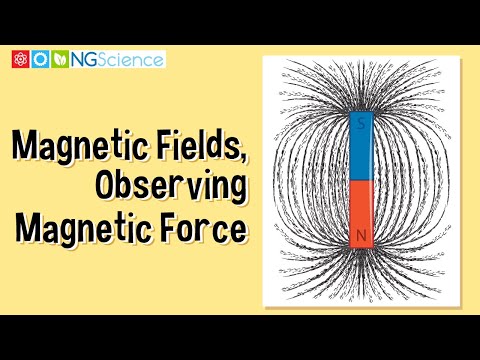
So, when you sprinkle iron filings on a piece of paper above a magnet, something really interesting happens. The filings align themselves along the magnetic field lines produced by the magnet. You can see these lines forming patterns that show how the magnetic force spreads out in space. Imagine tiny arrows pointing in the direction that a compass would point if it were placed at any spot along those lines.
Now, how does this work? Well, iron filings are made of tiny pieces of iron that are ferromagnetic. This means they become magnetized when they’re near a magnet. To break it down even more:
- The magnet has two poles: north and south. These poles create a field around them.
- The filings react: When the filings get close to the magnet, they start acting like little magnets themselves.
- Alignment: Each filing aligns with the magnetic field, which creates those stunning patterns on your paper.
You might be thinking about why this matters or what it tells us about magnets and fields—good question! Visualizing magnetic fields helps scientists and engineers understand how things work in our world—from the simple refrigerator magnets you stick notes to your fridge with to complex machinery that relies on magnetic forces.
I remember once doing this experiment with my younger cousin who was six at the time. His eyes lit up as he saw those little bits of metal line up all by themselves! It was fascinating to witness his excitement as he learned how invisible forces could create visible changes right before him.
You can also play around with different shapes of magnets—a bar magnet, for example—and see how the patterns change depending on their shape and strength. Or try using multiple magnets together; it’s like creating your very own mini-magnetic show!
In essence, exploring magnetic fields through iron filings isn’t just entertaining; it’s also insightful. It teaches us about the nature of forces we can’t see but can definitely feel in our daily lives—from making your electric toothbrush buzz to powering massive trains that glide along tracks thanks to magnetism.
If you’re ever looking for an engaging way to explain science to someone or just want to have some fun yourself, don’t skip out on trying this experiment at home! Just remember: sprinkle lightly and watch closely—you’re witnessing something incredible!
Understanding the Impact of Magnetic Fields: Conclusions from Iron Filings Experiment in Physics
You know how sometimes you just wanna see the invisible forces around us? Like, I mean, seriously, magnetic fields are everywhere, but we can’t actually *see* them. That’s where the iron filings experiment comes into play. It’s like magic when you sprinkle those little bits of metal powder and suddenly—bam!—you get a visual representation of what’s going on with magnetic fields!
So, let’s break it down a bit. When you place a magnet under a sheet of paper and sprinkle some iron filings on top, they align themselves along the lines of the magnetic field. What you’re seeing is how these invisible forces interact with each other. It’s kind of like being an artist for a moment, drawing out nature’s hidden artwork.
Here are some important things to keep in mind about this experiment:
- Magnetic Field Lines: The iron filings arrange themselves in patterns that show the direction and strength of the magnetic field. Closer lines mean a stronger field.
- North and South Poles: Each magnet has two poles – north and south. You’ll notice that filings cluster more densely around these poles, illustrating where the magnetic force is strongest.
- Strength Variation: If you move the magnet further away from the filings or use different types of magnets (like bar or ring magnets), you’ll see how strength changes based on distance.
- Field Interactions: When two magnets are brought close together, those patterns change based on whether you’re pushing them together or pulling them apart. It really shows how forces interact!
Now imagine as a kid doing this experiment with friends in school; maybe giggling as you see those tiny bits of metal dance across the paper—it’s kind of mesmerizing! It sparks curiosity about what else is out there that we can’t see but can learn to understand.
The takeaway here is that this simple experiment reveals so much about electromagnetic theory. You’re not just playing with some dust; you’re exposing yourself to fundamental physics concepts in action—how they work in everyday life. So next time you’re cleaning up those iron filings from your desk or station, just think about all those little insights into our world that they represent!
Exploring Magnetic Fields: A Fascinating Iron Filings Experiment in Science
So, magnetic fields. What are they, and why are they so interesting? Well, every magnet has a magnetic field around it. This invisible force can pull or push certain materials like iron. And while you can’t see the field with your naked eye, you can definitely visualize it using something super cool—iron filings!
Imagine you’re at home, and you grab a bar magnet. Place it on a piece of paper or plastic and then sprinkle some iron filings all around it. The thing is, these little particles are tiny bits of iron that respond to the magnetic field created by the magnet.
When you gently tap the paper or plastic, something magical happens! The iron filings start aligning themselves along the lines of the magnetic field. It’s like they’re dancing to an invisible tune. You’ll see that they gather in patterns shaped like arcs radiating from the poles of the magnet. It really shows how the strength and direction of a magnetic field work.
- Magnetic Poles: Every magnet has a north and south pole. In your experiment, you’ll notice that filings pile up more closely at these poles, showing where the force is strongest.
- Field Lines: The way the filings arrange themselves helps us visualize what we call “magnetic field lines.” These lines show the direction that a north pole would point if placed in that area.
- Field Strength: Areas where filings clump together indicate stronger fields compared to places where they spread out more.
This simple experiment isn’t only fun; it’s also an excellent way to grasp complex scientific concepts in physics. I remember when I first tried this back in school—watching those little bits of iron align was like seeing magic unfold right before my eyes! It made me realize how connected everything is through invisible forces.
The science behind this goes deep into electromagnetism—a branch of physics that deals with electric charges at rest and in motion. Magnetic fields play a vital role there too! They’re not just theoretical; these concepts help explain many everyday phenomena, from how motors work to why compasses point north.
If you want to take your experiment further, try using different shapes of magnets—like horseshoe or disc magnets—and observe how their magnetic fields look different when visualized with those pesky iron filings!
The beauty of this experiment lies in its simplicity but profound implications. You get to see science in action. Those simple little strokes brought forth by magnets show us fundamental aspects of our universe—a fun way to feel like you’re truly engaged with nature’s forces!
If you’re planning to do this at home (and I totally recommend it), just remember: cleanup can be a bit tricky as those sticky little filings tend to scatter everywhere! But hey, that’s part of the adventure, right?
You know, whenever I think about magnets, I can’t help but feel a rush of nostalgia. I remember as a kid, my science teacher whipped out a bunch of iron filings and a big magnet. The room was buzzing with excitement as those tiny metal shavings started dancing around, aligning themselves into beautiful patterns. It was like magic! Seriously, it was one of those moments that stick with you.
So, let’s break it down a bit. When you sprinkle iron filings on a piece of paper or glass over a magnet, something cool happens. The filings arrange themselves along the magnetic field lines. You can actually see how the magnet influences the space around it! The lines show the direction and strength of the magnetic force.
But here’s where it gets really interesting: these patterns are not just random shapes; they tell you how strong the magnet is in different areas. Near the poles—those ends of the magnet—the filings bunch up tightly because that’s where the magnetic force is strongest. As you move away from the poles, they start to spread out more and more.
Watching this process unfold reminds me that science is everywhere, in every little thing we often overlook. It’s all about seeing connections, right? Just like life, where sometimes we need to shift our perspectives to see new possibilities.
And what about those who think science is all boring and complicated? Well, this simple experiment proves them wrong. You don’t need fancy gadgets or complicated equations; just some iron filings and a magnet to witness something extraordinary!
So yeah, next time you’re feeling stuck or uninspired, grab some iron filings and a magnet if you’ve got them handy. It might just ignite that spark again—showing how even simple things can reveal beautiful truths about our world!