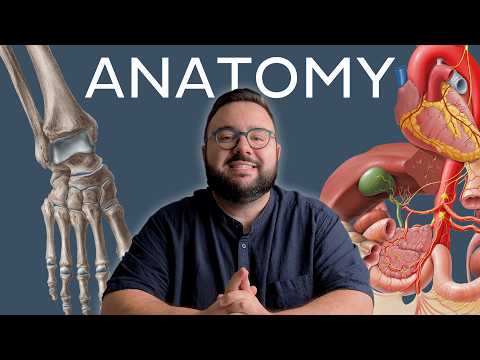
So, picture this: You’re hanging out with your friends, and someone suddenly points to their elbow, asking, “What’s that bump called again?” Instantly, everyone looks confused. We’ve all been there, right? Anatomy can get a bit wild.
But seriously, human anatomy is like this crazy maze of muscles and bones. You’d think we’d remember where our organs are with all that time spent in school! But the truth? It’s super easy to mix up the liver and the gallbladder—trust me on that one.
That’s where Kenhub comes into play. It’s kind of like having a super knowledgeable buddy who breaks down all that complicated stuff into bite-sized pieces. Seriously, it makes learning anatomy not just bearable but actually kinda fun! You know what I mean? So let’s jump into how you can get engaged with Kenhub and level up your anatomy game together!
Evaluating Kenhub: A Comprehensive Review of Its Effectiveness for Anatomy Learning in Science
Hey there! So, let’s chat about Kenhub and how well it works for learning anatomy.
Kenhub is like a digital friend for those of us trying to wrap our heads around the complexities of human anatomy. You know, all those muscles, bones, and organs that can feel super overwhelming? But with the right approach, learning anatomy can actually be pretty engaging.
First off, **the visuals**. One of the coolest things about Kenhub is its focus on images and illustrations. When you see a well-drawn diagram of the human body instead of just reading text, it really helps things stick in your mind. It’s like how you might remember a movie scene better than just a summary—visuals are powerful!
Another great point is **the interactive quizzes**. These little tests pop up after lessons and really make you think. It’s one thing to read about a structure, but when you’re quizzed on it, your brain has to dig deeper. These quizzes also help reinforce what you’ve learned by testing your memory in a fun way.
Then there’s **the structured approach** they use in their courses. If you’ve taken an anatomy class before, you know that some topics seem scattered and chaotic. Kenhub organizes information into sections that build on each other—like constructing a Lego model where each piece connects to the next one seamlessly.
Now let’s talk about **the flexibility** of studying with Kenhub. You can learn at your own pace! Whether you’re cramming before an exam or just casually brushing up on some terms while making dinner (seriously!), it’s great to have that option.
Also worth mentioning is the community aspect—or rather the lack thereof sometimes! While Kenhub offers some forums for discussion, it can feel a bit isolated compared to studying with classmates or friends who share the same challenges as you do.
It’s not all sunshine and rainbows though; so here are some potential downsides:
- Some users find that occasionally the videos can be too fast-paced, which might confuse beginners.
- There may not be as much depth in certain areas compared to traditional textbooks.
- Not everyone loves learning from screens; some just prefer flipping through pages.
And hey, if you’re someone who learns better by touching and manipulating actual specimens—like cadavers or models—you might find this method somewhat limiting.
In wrapping this up (well, sort of!), if you’re looking for an effective way to learn anatomy, Kenhub definitely offers engaging tools and resources tailored for visual learners. Yet it might not fit everyone’s style perfectly.
So think about what works best for you! Do visuals excite you? Or do you prefer hands-on experiences? Either way, knowing what’s out there always helps make informed choices for your learning journey. Happy studying!
Mastering Anatomy: Proven Strategies for Effective Learning in the Science Field
Learning anatomy can feel a bit overwhelming at times, right? Like, there’s just so much to take in! But really, mastering anatomy isn’t as impossible as it seems. You just need some solid strategies that work for you. So let’s get into it.
First off, visualization is key. Our brains are wired to remember images better than text. Think about it—when you look at a diagram of the human body, you start to connect names with shapes and locations. It makes everything feel more real and easier to recall later on.
And speaking of diagrams, interactive resources can totally elevate your learning experience. Instead of just flipping through a textbook, use tools that let you virtually dissect or manipulate 3D models of different body parts. This hands-on approach keeps your brain engaged and helps cement that knowledge in there.
Another thing that works wonders is repetition. Seriously! The more you expose yourself to the material, the better it sticks. You could create flashcards with terms on one side and definitions or images on the other. Whenever you’re waiting in line or chilling on the couch, whip them out and quiz yourself. It feels less like studying and more like a game.
Now let’s talk about group study sessions. These can be super effective if done right! Gather a few friends who are also learning anatomy and quiz each other. Explaining concepts out loud not only helps reinforce your own understanding but also reveals gaps in your knowledge where you might need to focus more.
Oh! And don’t forget about incorporating stories or mnemonics. For example, when learning the cranial nerves—there are 12 of them—you might find it funny (and helpful) to use a silly sentence like “Oh, Oh, Oh, To Touch And Feel Very Green Vegetables, AH!” Each word represents one nerve in order. Basically, turning memorization into something memorable makes it stick way better.
Lastly, try to make anatomy relevant to your life or career goals. If you’re studying for something specific—say nursing or physical therapy—think about how each structure plays a role in patient care or recovery scenarios. When you connect theory with real-world applications? That’s when things start clicking!
So there you have it: visualization through diagrams, interactive resources for hands-on practice, repetition like flashcards for memory retention, group studies for social interaction and quizzing fun (which I love!), storytelling through mnemonics for recall ease—and real-world relevance that ties everything together! Just remember: everyone learns differently; find what mixes well with your style and go with it!
Optimal Daily Study Hours for Anatomy and Physiology Success: A Science-Based Approach
So, you’re diving into the world of Anatomy and Physiology. Awesome! These subjects can seem overwhelming, but with the right approach, you can totally make sense of it all. Let’s talk about how many hours you should study each day to really ace these subjects based on science.
Consistency is Key. You see, cramming isn’t the best strategy for long-term retention. Studies suggest that spreading your study time over several days or weeks helps you remember better. Think of it like training for a marathon; you wouldn’t wait until the last minute to go for a 26-mile run, right?
Now, when it comes to how many hours you should actually hit the books, 3 to 5 hours daily is often a sweet spot. But here’s the thing: it’s not just about clocking those hours. It’s about using them wisely! Break those hours into chunks.
- Pomodoro Technique: Study for 25 minutes and then take a 5-minute break. After every four sessions, take a longer break—like 15 or even 30 minutes.
- Active Learning: Instead of passively reading through textbooks, try drawing diagrams or teaching what you’ve learned to someone else (even if that someone is just your cat!).
- Review Regularly: Set aside time at the end of each week to review what you’ve learned during your sessions.
Let me share this little story: I once studied with a friend who believed in all-nighters before exams. Yep, that was their style! But every time they struggled during tests, I was there with my consistent approach—lots of light but dedicated study sessions spread out over weeks. And guess what? While they were wiping sweat off their brows trying to remember everything at once, I was feeling pretty relaxed knowing I’d absorbed the material gradually.
The Science Behind Timing
Research shows that our brains process information differently throughout the day. For most people, the morning might be when you’re sharpest, but some feel more alert in the afternoon or evening. Experimenting with your schedule can help find out when you’re most focused.
Also consider sleep—it plays a huge role in memory consolidation! A good night’s rest ensures your brain has time to sort through all that info you’ve crammed during the day.
A Balanced Approach
Don’t forget about balance! It’s crucial to take care of yourself while studying hard.
- Nourishment: Eating well helps your brain function better.
- Exercise:b Getting moving boosts mood and memory.
- Meditation: Just five minutes can clear your head and improve focus.
Just imagine sitting down after a meal full of greens and feeling energized rather than groggy—that’s exactly what we’re aiming for!
In short – if you’re looking for optimal daily study hours for mastering Anatomy and Physiology, aim for around 3-5 focused hours each day, broken down into efficient chunks with regular breaks and enough sleep at night. Test different times of day if needed and always keep in mind that balance is essential! Happy studying—go crush it out there!
So, let’s chat about anatomy for a moment. You know, that fascinating subject where you dive into the human body’s intricate details? It can feel a bit overwhelming at times, right? Like, all those names—spleen, aorta, phalanges… What even is a phalanx?! When I first started learning it all, my brain was like spaghetti!
That’s where resources like Kenhub come into play. Now, I’m not here to sell you anything or hype up a platform too much. But honestly, engaging with something like Kenhub can really transform your understanding of anatomy. The way they break down complex ideas into bite-sized pieces is pretty darn helpful. It’s like having an anatomy buddy who’s patient and knows how to explain stuff without making you feel small.
I remember studying late one night for an exam. The clock was ticking; I could feel the pressure rising! I stumbled onto this video that visualized the circulatory system in a way that clicked for me. Suddenly, it wasn’t just facts plastered on flashcards; it was this dynamic network pumping blood through our bodies. My heart literally raced—not just from the caffeine! That moment made me realize that learning doesn’t have to be dry and boring.
And then there’s the practice aspect—like quizzes and interactive diagrams that let you test yourself as you learn. Seriously? Who wouldn’t want to play while they study? It keeps things fresh and makes it less of a chore.
But it’s not all sunshine and rainbows. Some might find these online tools just another thing added to their plate—a distraction from traditional textbooks or lectures. You’ve got to find what works for you! Maybe it’s Kenhub; maybe it’s old-school books or grabbing coffee with your classmates and chatting about what you’ve learned.
At the end of the day, we’re all looking for ways to make sense of complicated stuff, to connect with knowledge in ways that resonate with us personally. And if platforms like Kenhub help answer those big questions about our bodies while making learning fun… well, why not embrace them? Just keep pushing through—trust me; it’s worth every ounce of effort when those concepts finally click!