Alright, picture this. You’re at a party and someone challenges you to do that classic dance move, the worm. You’re feeling confident, right? But as you hit the floor, it’s like your core just gave up on you. Oof!
That’s your abdominal muscles for ya! They’re not just there to look good in a tight shirt or to support that six-pack dream. Nope! They play a major role in pretty much everything we do—like walking, running, dancing…or even just standing without tipping over.
So here’s the thing: the lateral abdominal muscles might not be the superheroes we think of when we hear “abs,” but they’re crucial for balance and movement. Seriously! If you’ve ever tried to twist your body to grab something behind you or reach for that last slice of pizza (priorities, right?), you’ve felt those muscles kick into gear.
Let’s chat about what these guys really do and why they matter more than you’d think!
Exploring the Lateral Abdominal Muscles: Anatomy and Function in Human Biology
Alright, let’s talk about those side muscles of yours—the lateral abdominal muscles. They’re like the unsung heroes of your core. Seriously, without them, you’d be wobbling around like a jelly on a plate. So, what are they all about?
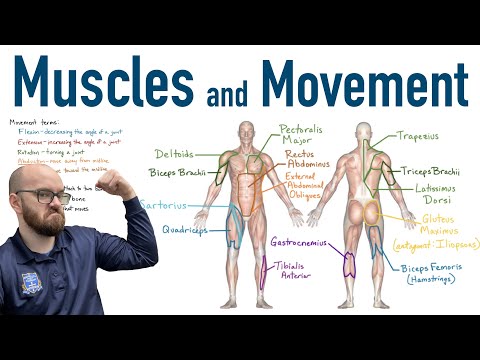
The lateral abdominal muscles mainly include the external obliques, internal obliques, and the transversus abdominis. These muscles are layered like your favorite sandwich. The external obliques are on top, followed by the internal obliques underneath, and then you’ve got the deeper transversus abdominis.
The external obliques run diagonally from your ribs down to your pelvis. They help you twist and bend sideways. You know that motion when you grab something off a shelf without turning your body? Yep, that’s them at work!
The internal obliques sit just beneath those external ones. They have a similar role but are more involved in stabilizing your trunk during movement. They’re kinda like the supportive friend who keeps you from toppling over when you try to do cool stuff.
Then there’s the transversus abdominis. This one’s super cool because it acts like a natural weight belt for your abdomen. It wraps around your torso and helps keep everything in check during heavy lifts or even just while sitting up straight at your desk to type.
- Twisting Movements: Ever tried to twist and reach for something? Those lateral muscles make it happen.
- Bending Sideways: Whether you’re stretching or picking up something from the floor, they assist with that too.
- Stabilizing Your Core: When you’re lifting weights or even running, these bad boys help stabilize your body.
You might think these muscles only come into play during workouts, but they’re involved in everyday activities as well! Like when you sneeze or laugh really hard—yup! Those abs are working behind the scenes! It reminds me of this one time I was playing hide-and-seek with my little cousin. I twisted quickly while trying to evade him and pulled off some epic moves thanks to my lateral abs!
If these muscles aren’t strong enough, it can lead to poor posture or back pain—ouch! Nobody wants that. So, keeping them toned is super important not just for looking good but also for feeling good every day.
In short, lateral abdominal muscles play an essential role in human movement by enabling twisting motions and stabilizing our core during various activities. Without them working diligently behind the scenes, we’d be pretty limited in how we move our bodies!
The Role of Lateral Muscles in Body Support: Understanding Biomechanics and Function
When you think about the muscles that help hold you upright and assist you in moving, the lateral abdominal muscles might not be the first ones that come to mind. But they play a super important role! These are the muscles located on the sides of your abdomen, and they’re often called the **obliques**. So, let’s break down how these bad boys work and why they matter for your body support.
First off, there are two main groups of obliques: the external obliques and the internal obliques. The external ones sit on top like a layer of potatoes in a nice shepherd’s pie, while the internal ones lie beneath them. The thing is, they work together to help with twisting movements, bending side to side, and stabilizing your core when you’re doing other activities.
You see, every time you bend over to pick something up or lean to one side, those lateral muscles spring into action. They help keep your spine stable! Think about it: without them doing their thing, every time you twisted or turned could leave your back feeling pretty wonky.
Now let’s dig into how these muscles support body movement. When you’re walking or running, they engage to maintain balance as you shift your weight from one leg to another. It’s kind of like having a well-oiled machine—everything moves smoothly because these muscles keep things in line.
Also, when you do activities like lifting weights or playing sports? Yep! You guessed it—the lateral abdominal muscles help maintain proper posture and form. Poor stability means injuries waiting to happen; no one wants that!
And here’s an extra fun fact: ever notice how athletes seem so agile? Well, a lot of that comes down to strong oblique muscles. They provide rotational power essential for everything from swinging a bat to throwing a ball.
So basically, if those lateral abdominal muscles aren’t working right or aren’t strong enough, it can lead to all sorts of issues—like back pain or reduced athletic performance. Keeping them fit is crucial! Exercises such as side planks or Russian twists can really fire up those obliques and keep them in tip-top shape.
In conclusion (and I promise I’m not just using this word for effect), understanding how these lateral abdominal muscles function helps us appreciate their role in supporting our bodies during movement. So next time you’re bending down or breaking out some moves on the dance floor? Remember those mighty little guys holding everything together!
- Types: External and internal obliques.
- Functions: Stabilizing core during movements.
- Movement Support: Engaging while walking/running.
- Athletic Performance: Crucial for agility and power.
Exploring the Functions of Abdominal Muscles: Their Essential Roles in Human Physiology
You know, when you think about the body, it’s easy to just see skin and bones. But if you take a closer look, your abdominal muscles are like the hidden superheroes of your physique. Seriously! They play a bunch of roles that are super important for how we move and function every day.
First off, let’s talk about what these muscles really do. The **abdominal muscles** are basically a group of muscles in your belly area, and they’re not just there to give you a six-pack (though that’s nice too!). They help with posture, protect your organs, and assist in almost every movement you make. So yeah, they’re pretty essential!
Now, when we mention the **lateral abdominal muscles**, we’re focusing on the ones that are located on the sides of your abdomen—like the external obliques and internal obliques. These guys are particularly cool because they contribute to things like twisting and bending at the waist. Imagine trying to reach for that snack in the back of your kitchen cabinet—yup, those side muscles have your back!
Here’s an interesting bit: During activities like running or dancing (which I totally can’t do well), these lateral abs help keep our bodies stable while we’re moving side to side. If you’ve ever tried doing a cartwheel but ended up faceplanting instead… well, yeah! That probably had something to do with those side abs not doing their job.
Oh! And have you heard about this thing called “core strength”? Basically, it’s all about how strong all those stomach and back muscles are together. The more strength you have there—especially from those lateral abs—the better you’ll perform in sports or even everyday tasks like lifting grocery bags or chasing after the ice cream truck (priorities!).
But wait—there’s more! If these guys aren’t working properly due to weak spots or injuries, it can lead to issues like lower back pain or poor posture. Scary stuff! So keeping them strong is super important.
Wrapping things up here: our lateral abdominal muscles aren’t just there for show—they’re integral players in our body’s performance game. You might not think much about them on a daily basis, but they definitely deserve some attention and care. A little strengthening session could go a long way toward keeping everything functioning smoothly!
So next time you’re stretching out after some movement or maybe working on those abs during exercise classes… remember their essential roles in human physiology—they really are quite incredible!
You know, it’s funny how we often take our bodies for granted. I mean, think about those little muscles on the sides of your abdomen. Not the famous six-pack guys, but the ones hiding out to the sides—your obliques. They don’t get the glory they deserve, yet they play such a critical role in how we move every day.
I remember this one time at a family gathering when I tried to show off by picking up my niece and spinning her around. It wasn’t long before I felt this tight strain in my side—turns out those oblique muscles were not quite as strong as I thought! After all, they’re not just there for looks; they’re essential for twisting and bending, helping you reach that last cookie on the top shelf or pivot while playing sports. It’s pretty interesting how these lateral abdominal muscles stabilize your trunk too.
So, here’s the deal: your lateral abdominal muscles help support spinal stability during almost any movement you make, from dancing to simply tying your shoes. They work with others like your rectus abdominis and transverse abdominis to keep everything balanced. Without them, we’d be flopping around like a fish out of water—it wouldn’t be pretty!
Also, have you ever noticed athletes doing those weird side crunches? Yeah, that’s them isolating their obliques so they can generate power while running or swinging a bat—seriously impressive stuff! These muscles allow you to rotate and bend sideways with control rather than looking like you’re about to topple over.
It makes sense that some of us might overlook these muscles until we feel a little strain or something just doesn’t feel right when we move. So if you’re ever in doubt about your core strength or stability during workouts (or even during everyday chores), just remember those lateral abs are hanging in there, helping you out.
At the end of the day, appreciating these often-overlooked muscles reminds us how interconnected our bodies really are and how even small things can have a huge impact on movement. Who knew that two little strips of muscle could hold so much power?