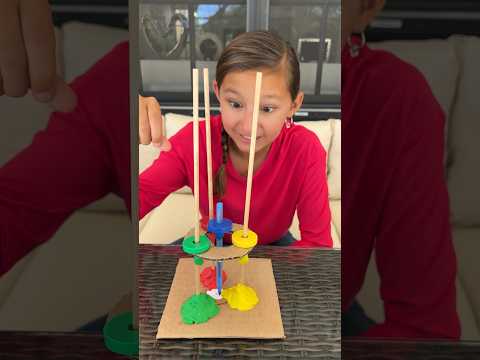
So, I was watching this old episode of a sci-fi show where a train floated above the tracks. I mean, how cool is that? It blew my mind!
But here’s the thing: you don’t need to be in a sci-fi universe to play with magnetic levitation. Seriously! You can create your own floating mini train or even a little magnetic gadget right in your living room.
Imagine impressing your friends with something that looks like magic but is totally science. Sounds fun, right?
Magnetic levitation is all about using magnets to make objects float without touching anything. No strings, no superpowers—just good old physics at work.
So let’s jump into some awesome DIY projects that’ll have you feeling like an engineering wizard in no time!
Exploring Real-Life Applications of Magnetic Levitation in Science and Technology
Magnetic levitation, or maglev for short, is one of those cool science tricks that seem like they belong in a sci-fi movie. But it’s real, and it’s being used in some pretty exciting ways! So let’s dive into what it is and where you can actually see this technology popping up.
What is Magnetic Levitation?
At its core, magnetic levitation uses magnets to lift objects off the ground. Imagine having a train that floats above the tracks instead of rolling on them. This happens because of something called magnetic repulsion. Like poles of magnets push away from each other, which creates that “floating” effect. Pretty neat, huh?
Real-Life Applications:
You might wonder where you can find this tech in action:
- Trains: Maglev trains are the rock stars of this technology. They can zoom at super high speeds—think over 300 miles per hour! These trains don’t have wheels; they float on a cushion of air created by magnetic forces.
- Levitating Displays: Ever seen those floating displays in tech stores? They use magnetic levitation to make products look futuristic and eye-catching by making them hover above their bases.
- Contactless Transportation: There are also maglev systems used in conveyor belts and transport systems to move goods smoothly without friction. It’s all about efficiency!
Diving Deeper into DIY Projects:
If you’re into hands-on stuff, maglev can be a fun DIY project! Seriously, you could set up a simple magnetic levitation device at home using basic materials.
Here’s how you might start: You’d need some strong magnets (neodymium ones work great) and a stable base, maybe even some lightweight materials like balsa wood for your project. Set up your magnets so they repel each other; when done right, you’ll create a little levitating platform!
It reminds me of when I was trying to impress my friends with a science project back in school. I created a mini-magnetic hovercraft that floated just above the ground using simple magnets and juice bottle caps for structure—it was such a hit!
The Science Behind It:
So why does this work? Well, it’s all about balance between gravitational force pulling down and magnetic force pushing up. If you get the strength right on both sides, boom—levitation!
There’s also an aspect of stability involved—without getting too technical—it’s crucial to keep everything aligned correctly or it’ll just flop over.
Magnetic levitation not only gives us cool toys but also shows us how science plays out in real life! Plus, if you’re excited about trying out some projects related to it, who knows? You might discover new applications all on your own!
In conclusion (not really supposed to use that word), but seriously: exploring the world of magnetic levitation opens up fresh perspectives on how we interact with technology around us every day and even inspires new innovations along the way!
Simple Science Experiment: Demonstrating Magnetic Force with Everyday Materials
So, you’re curious about magnetic force, huh? It’s a cool topic and there’s actually a super simple experiment you can do at home to see it in action! Seriously, all you need are a few everyday materials. Let’s break it down.
First off, you’ll need two magnets. The stronger, the better! You can get them from old toys or fridge magnets. Next, grab a piece of paper or a thin cardboard sheet. You also want something like small metal objects, such as paper clips or nails.
Now here’s what we’re gonna do:
- Step 1: On your piece of paper, place one magnet on the bottom side and another magnet on the top side. Space them out so they don’t touch.
- Step 2: Slowly move the top magnet closer to the bottom magnet while holding it above your paper.
- Step 3: Watch closely! You should see that the top magnet starts to either attract or repel. This is where the magic happens!
If they’re attracting each other, they’ll pull together with some serious force. But if you flip one of them so they’re facing the same poles (like north to north), they might just hover over each other for a moment. That’s **magnetic levitation** – cool stuff!
You might be thinking, “Why does this work?” Well, magnets have invisible forces around them called **magnetic fields**. When these fields interact with each other – either pulling together or pushing apart – that’s when you experience this magnetic magic!
Oh, and here’s something neat: If you have some water nearby (like in a glass), dip those small metal objects into it before trying out your magnet trick. Sometimes water can enhance what you’re seeing because it allows for better interaction between magnetic fields.
There are plenty of ways to expand on this too! Want to test different materials? Try using more powerful magnets or varying distances between them to see how that affects their interaction. You could even try stacking multiple layers of cardboard between your magnets and check how that changes things.
Just remember: safety first! Keep small items away from younger siblings or pets since they could be choking hazards.
So next time you’re bored at home and want to impress your friends with something fun and educational, grab some magnets and give this experiment a whirl! It shows not just how forces work but also demonstrates some fundamental principles of physics in action right in front of your eyes!
Exploring Magnetic Levitation: DIY Science Projects for Enthusiasts (PDF Guide)
Magnetic levitation is one of those cool scientific concepts that can fascinate you, right? Imagine floating objects in mid-air without any visible support! That’s the magic of magnets, and it’s not just for stage tricks. You can actually play with this idea yourself. So, let’s get into it!
What is Magnetic Levitation?
At its core, magnetic levitation uses magnets to lift objects off the ground. This happens through a principle called repulsion. You know how when you try to push two magnets together that are facing the same way, they just won’t touch? Well, that’s basically what you’re harnessing here.
Simple DIY Projects
You don’t need a PhD to have fun with magnetic levitation! There are plenty of easy projects you can try at home or in a classroom. Here are a few ideas:
- Floating Magnets: Use small, strong neodymium magnets and a piece of wood. Attach one magnet to the wood and suspend another nearby, keeping them facing the same direction. Adjust their positions until one floats!
- Magnetic Train: Make a mini train using magnets and a track made from conductive material. When set up right, the train can glide over the track using magnetic force.
- Pencil Hovercraft: Grab an old CD and attach a balloon on top of it with glue or tape. Inflate the balloon and release it; watch as it glides smoothly across surfaces—with some air cushion underneath!
Each of these projects requires minimal materials, which makes them perfect for an afternoon of fun science experiments.
The Science Behind It
So what really happens when you see something levitating? The interaction between different polarities creates an equilibrium where gravity pulling down is counteracted by magnetic forces pushing up. It’s like nature’s own balancing act!
Remember that not all magnets are created equal; stronger magnets can produce more significant effects. That’s why neodymium is often recommended for these projects because they’re like superheroes in the magnet world.
Anecdote Moment
I remember making my first DIY floating magnet at home as a kid—it was seriously thrilling! I spent hours trying to figure out how to make it float just right while giggling at how “magic” it felt. My mom thought I was nuts for playing with magnets instead of video games, but it’s one of those memories I’ll always cherish.
Cautionary Notes
While these projects are generally safe, be careful with strong magnets like neodymium ones—they can snap together really hard and pinch your skin! Ouch! Also, keep small magnets away from pets or young kids who might accidentally swallow them.
In summary: exploring magnetic levitation doesn’t have to feel like rocket science (pun intended!). With some simple materials and your curiosity, you can dive into this fascinating field—seriously, it’s all about learning while having fun!
Magnetic levitation is one of those cool science concepts that feel like they belong in a sci-fi movie, right? I mean, just imagine objects floating effortlessly in the air. A couple of years back, I remember watching a video where someone made a little train zooming along a track without actually touching it. It was like magic! Seriously, I was fascinated and thought to myself, “I gotta try that!”
So, let’s break it down. Magnetic levitation works on the principles of magnetism. Essentially, you use magnets to create a force strong enough to push against gravity. It sounds complicated at first, but when you actually get into it, you realize that with the right materials and some patience, you can create your own version at home.
Now, if you’re thinking about diving into DIY magnetic levitation projects, there are some fun ones out there! For starters, you could make a simple maglev train with just some magnets and basic materials like cardboard or wood. It’s not only entertaining but also teaches you about how magnetic fields work and the forces at play.
Then there’s levitating globes or little hovercrafts that can glide above surfaces. You might even end up creating something unexpected—maybe a levitating keychain or a tiny robot that floats using magnets! The possibilities are pretty endless and honestly pretty thrilling.
I’ll be real with you; sometimes it can get frustrating when things don’t work out as planned. I had this one project where I tried making a floating top. After several attempts and tweaks, I finally nailed it—and honestly? That moment felt incredible!
The best part about these projects is how they blend learning with creativity. You’re not just following instructions; you’re experimenting and figuring things out as you go along. Plus, when friends see what you’ve made, their faces light up in disbelief—it’s rewarding!
But hey, always remember to stay safe while playing with magnets because they can be surprisingly powerful! And if you’re working with electronics too? Safety first!
So yeah, whether you’re looking for a fun weekend project or just want to impress your pals at the next hangout, magnetic levitation projects are totally worth exploring. Trust me; you’ll learn so much while having an absolute blast!