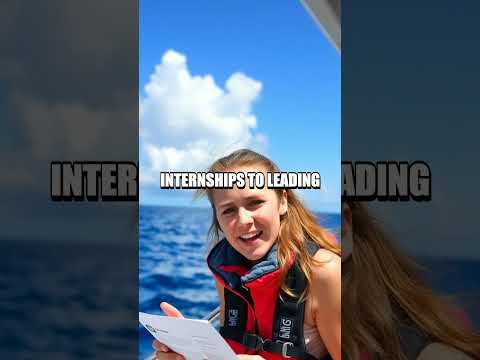
You know what’s wild? The ocean covers over 70% of our planet. That’s basically like putting a giant blanket over most of Earth! Yet, so many folks still think of it as just some big blue pool where fish hang out.
I remember this one time I went snorkeling. I was just floating around, you know, admiring the colorful fish and corals when bam! A sea turtle zoomed past me. I laughed so hard; it felt like I was in a real-life Finding Nemo moment. But honestly, that little encounter made me realize how magical—and fragile—our oceans really are.
Marine environmental scientists are the ones working behind the scenes to keep those waters healthy and happy. They’re like superheroes for our oceans, combating pollution and climate change while making sure those beautiful underwater worlds don’t disappear. So, let’s chat about what these amazing folks are doing to save our seas!
Exploring the Roles and Responsibilities of Marine Environmental Scientists in Ocean Conservation
Marine environmental scientists are the unsung heroes of ocean conservation. Their work goes way beyond collecting water samples or studying fish. They play crucial roles in protecting our oceans and ensuring that marine ecosystems thrive. Let’s break down what they actually do, shall we?
Research and Data Collection
First off, one of their main jobs is to gather data about the oceans. This involves everything from studying water quality to understanding animal behaviors. For example, if they’re researching coral reefs, they might dive into the water to observe how fish interact with their environment or measure temperature changes that might affect reef health. This data is super important for figuring out how to tackle issues like climate change or pollution.
Monitoring Ecosystems
Then there’s the monitoring part. Marine environmental scientists keep a close eye on various ecosystems. Think of them as detectives in the ocean! They track changes in species populations, which can reveal larger problems like habitat degradation or overfishing. If a particular fish species starts disappearing, it can be a red flag that something’s off in that ecosystem.
Policy Development and Advocacy
With all this information they collect, they help shape policies too. They work with governments and organizations to create regulations that protect marine life. It’s like being part of an ocean-saving team where science leads the charge! When scientists advocate for specific protections – say for endangered species or critical habitats – their research helps bolster those efforts.
Community Engagement and Education
But it doesn’t stop there! These scientists often engage with local communities. They educate folks about the importance of marine conservation through workshops, school programs, or public talks. Imagine talking to a group of kids about why keeping beaches clean matters—pretty inspiring stuff!
Innovating Solutions
Sometimes it’s all about finding innovative solutions too. For instance, some marine environmental scientists are exploring ways to reduce plastic waste through new materials or cleanup technologies. They’re not just pointing out problems; they’re actively working on fixing them.
Sustainability Practices
They also promote sustainable practices among industries reliant on marine resources—like fisheries or tourism sectors. By suggesting methods that don’t harm the environment, they’re helping ensure that these industries thrive without trashing our oceans.
Marine environmental scientists take on these responsibilities passionately because they truly care about our planet’s future—and their work reflects that commitment every step of the way! So next time you splash around at the beach or enjoy seafood for dinner, remember there are dedicated people out there working hard to keep our oceans healthy and vibrant for generations to come!
Exploring the Essential Role of Marine Biologists in Environmental Conservation Efforts
Marine biologists are like the detectives of the ocean. They dive deep into the mysteries of marine life, studying everything from tiny plankton to massive whales. Their work isn’t just about understanding sea creatures; it’s also about protecting our oceans and, honestly, the planet.
So why are marine biologists so crucial for environmental conservation? Well, they gather vital information about ecosystems. These scientists study habitats like coral reefs and mangroves, which are like the nurseries of the sea. They observe how these ecosystems function, how species interact with one another, and what happens when things go wrong. This knowledge helps us figure out how to protect these fragile environments before they’re gone forever.
Here’s a big deal: marine biologists monitor threats to ocean health. Pollution is a major problem. Think about those plastic bags you see floating in the water—it’s not just an eyesore; it’s seriously harmful to marine life. Marine biologists collect data on pollution levels and its effects on wildlife, helping to raise awareness and push for important changes in policy.
Another big topic is climate change. Rising temperatures and acidification affect oceans drastically—coral bleaching is one heartbreaking example of this impact. Marine biologists conduct research that shows just how these changes endanger marine species and ecosystems, making their findings essential when advocating for measures against climate change.
Working hand-in-hand with policymakers is key too! It’s great to gather info, but it needs action. Marine biologists use their research to inform laws that protect marine spaces or regulate fishing practices that are damaging habitats. By doing this, they help create safe havens for wildlife where fish populations can thrive again.
Education is also part of the game! Many marine biologists engage with communities and schools to teach people about ocean sustainability and conservation methods. Imagine a classroom filled with kids excited about dolphins or sharks—that’s how interest builds up! When younger generations start caring about these issues, it opens doors for future conservation efforts.
Real-life example: Take Dr. Sylvia Earle—a legendary marine biologist who has spent decades fighting for ocean health. She founded Mission Blue, which aims to create a network of protected areas called “Hope Spots.” These places are vital for preserving biodiversity in our oceans!
In short, marine biologists play an essential role in environmental conservation through research, policy advocacy, education, and community engagement. Their dedication helps ensure that our oceans remain vibrant and full of life—not just for today but for generations to come. It’s all connected—you know? Healthy oceans mean healthy planet! And isn’t that what we all want?
Understanding the Distinction: Marine Biologists vs. Marine Conservationists in Scientific Research
Alright, so let’s chat about two really cool roles in the ocean world: marine biologists and marine conservationists. At first glance, they might seem pretty similar, right? But they have distinct focuses and goals. And understanding these differences can really shed light on how we protect our oceans.
Marine biologists are like the detectives of the ocean. They dive deep (sometimes literally) into studying marine organisms—think fish, whales, corals, and even the tiniest plankton. Their research often focuses on understanding everything from the biology of these critters to their behavior and how they interact with their environment. For example, a marine biologist might study how temperature changes affect fish spawning. Their findings can help us understand ecological balances and health.
Now, flip the coin to marine conservationists. These folks are more like guardians of the sea. They work with policies, public awareness, and restoration projects to protect marine environments. Their role is less about studying individual species deeply and more about looking at ecosystems as a whole—like creating marine protected areas or advocating for sustainable fishing practices. For instance, a conservationist might campaign against plastic pollution because it’s a serious threat to marine life.
- The primary goal of a marine biologist is to gather data and conduct research that expands our scientific knowledge.
- A marine conservationist aims at applying this knowledge towards proactive measures that safeguard marine ecosystems.
- Marine biologists often publish scientific papers while conservationists may focus more on community engagement or policy-making efforts.
- A particular project might involve marine biologists tracking shark populations while conservationists work on creating laws to protect those sharks.
I remember visiting an aquarium once where I met both types of professionals during an ocean awareness event. The biologist was super excited about her research on clownfish and their symbiotic relationship with anemones—talking all passionately about reef ecosystems! Meanwhile, the conservationist was sharing ideas on how local beach cleanups could make a big difference in protecting those same reefs from pollution. Watching them interact was eye-opening; each brought valuable insights but from different angles!
It gets more interesting when you see how their paths can cross! You know? Sometimes marine biologists provide vital research that informs the actions of conservationists. For example, if studies show that specific species are declining due to habitat loss, conservationists can use this data to push for stronger protections in those areas. It’s this teamwork that makes for better outcomes in ocean health.
The bottom line is this: both roles are essential for advancing ocean conservation efforts but tackle challenges from different perspectives. One dives into discovering what lies beneath while the other rallies communities and policymakers to act on those discoveries. The ocean needs both kinds of superheroes! So next time you hear about these professions, you’ll appreciate just how unique—and crucial—they are for preserving our blue planet.
You know, the ocean is like this immense, mysterious world, right? I remember when I was a kid, spending summers at the beach. The sound of waves, that salty breeze in my hair—it was magical. But then, you start to grow up and hear more about the threats our oceans face. That’s where marine environmental scientists come in.
These folks are like the superheroes of the sea. They’re out there studying everything from tiny plankton to massive whales, trying to understand how we can better protect these incredible ecosystems. Think about it: oceans cover more than 70% of our planet. That’s a whole lot of ground—err, water—to cover!
Marine scientists look at issues like pollution and climate change and how they impact marine life. It’s not just about looking at fish and coral reefs; it’s also about understanding how human actions affect ocean health—and let’s be real: we’ve been doing a pretty sad job of it lately. Overfishing, plastic waste—we’ve got a long way to go.
But here’s the cool part: these scientists are not just sitting in labs crunching numbers or looking through microscopes all day (though that’s part of it). They get into action! They’re often involved in conservation efforts that aim to restore habitats or create marine protected areas—basically safe spaces for ocean creatures to thrive without our interruptions.
I read this inspiring story about a group of marine biologists who worked tirelessly on a project to revive coral reefs by planting baby corals. Imagine putting tiny little corals into the ocean and watching them grow into vibrant reefs again! It’s super rewarding but also really tough work considering how fragile those ecosystems can be.
And let’s not forget that their research goes beyond just saving fish and corals; it’s about preserving that sense of wonder we all feel at the beach or when snorkeling in clear waters. They help us realize that what happens in oceans affects us—climate regulation, food sources, even weather patterns!
So yeah, while it might seem overwhelming sometimes—like how do we fix this massive problem?—marine environmental scientists are out there leading the charge for ocean conservation one study at a time. And it gives me hope thinking about their dedication because if they can be out there fighting for our oceans, maybe we can all do our bit too—even if it’s just reducing plastic use or being more aware of what goes into our waters.
In a nutshell? It’s all connected—our love for the ocean and needing to protect it becomes part of who we are as humans sharing this planet together. So why not support those who are making waves (pun intended) for good?