You ever get that feeling when you’re trying to figure out what’s going on in your brain? Like, is that weird noise just a snack craving or something more serious?
Well, MR spectroscopy kinda does that but for real! Imagine being able to peek inside your head and see what’s actually happening with your brain chemistry. Sounds like sci-fi, right?
This cool imaging technique is like having superpowers—giving doctors a glimpse of the metabolic processes at play. And guess what? It’s been leveling up big time lately!
So, let’s chat about those advancements in MR spectroscopy and how they’re shaking things up in radiology practice. Trust me; it’s pretty exciting stuff!
Advanced MR Spectroscopy in Radiology: Techniques, Applications, and Clinical Insights
Magnetic Resonance Spectroscopy (MRS) is like this super-cool sidekick to traditional MRI, letting us peek deeper into the chemical composition of tissues. It’s not just about creating pretty pictures; it reveals the metabolic changes in a given area. Think of it as listening to the symphony of chemicals in your body.
Advanced MR Spectroscopy techniques have made some serious jumps in recent years. This means we’re getting a clearer and more detailed view of what’s happening inside. For instance, we can now differentiate between various types of metabolites—substances created during metabolism—and that helps doctors make better decisions.
- Single-voxel spectroscopy: Here, we focus on one specific area and get detailed info. Imagine aiming a flashlight at one spot in a dark room.
- Multi-voxel spectroscopy: This technique lights up multiple areas all at once, providing a broader picture. It’s like taking a panoramic view instead of zooming in on one detail.
- Diffusion-weighted spectroscopy: It looks at how molecules move around, which is important since movement can tell us if something’s wrong.
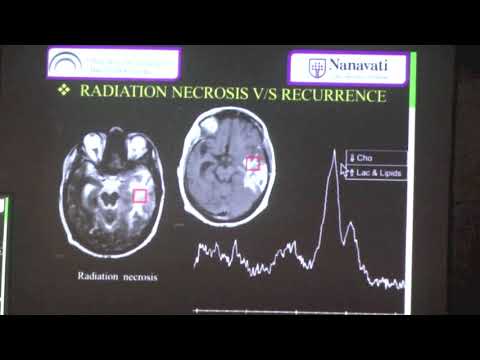
Now, let’s talk about applications. MRS is super useful for diagnosing brain tumors or tracking diseases like Alzheimer’s. For instance, when diagnosing brain tumors, MRS can help distinguish between tumor types by identifying different metabolic signatures. That’s huge because different treatments might be needed based on what type you’re dealing with!
You know those moments when someone you care about gets sick? I remember my friend was worried sick about her dad’s brain health. The doctor suggested MRS while investigating his symptoms. They found elevated levels of certain metabolites that indicated early signs of neurodegeneration. Just knowing they had more info helped ease her worries and guided them toward treatment options.
The clinical insights gained from MRS go beyond just identifying problems. They can influence treatment plans and even help monitor how well those treatments are working over time! Imagine having the ability to see if a chemotherapy treatment is doing its job without invasive procedures!
MRS also helps researchers deepen their understanding of mental health disorders, too! Studies have shown alterations in certain neurotransmitters that could contribute to conditions like depression and schizophrenia. By understanding these changes, there’s potential for new therapeutic approaches that target specific metabolic pathways.
The future looks bright for MR Spectroscopy! With advancements in imaging processing and machine learning capabilities, interpreting data will get even better and faster too! Staying ahead means delivering personalized medicine tailored specifically to individual needs—how cool is that?
A lot goes on beneath the surface of our bodies that traditional imaging can’t show us alone. Thanks to advanced techniques in MR Spectroscopy, we’re getting closer to unlocking those secrets for improved patient care every day.
Understanding MRI Spectroscopy: Applications and Uses in Scientific Research
MRI spectroscopy might sound a bit technical at first, but it’s really just a way to look deeper into what’s going on inside our bodies, particularly in the brain. Basically, we’re talking about a technique that combines the power of magnetic resonance imaging (MRI) with the analysis of chemical composition. So, what does that mean for scientific research? Let’s break it down.
First off, MRI spectroscopy helps scientists understand the chemical makeup of tissues. While regular MRI gives you images of structures—like how big something is or if there are any major problems—spectroscopy goes further by showing you what’s actually inside those structures at a molecular level. It’s like looking at a picture and then opening up an instruction manual to see how everything is put together.
One cool application is in studying brain tumors. By using MRI spectroscopy, researchers can identify different metabolites present in tumor tissue compared to healthy tissue. Metabolites are basically small molecules involved in metabolism—the process our cells use to convert food into energy. For example, gliomas (a type of brain tumor) often show elevated levels of choline—a molecule associated with cell membrane turnover—while showing lower levels of N-acetylaspartate (NAA), which is usually found in healthy brain cells.
Another area where this technique shines is in evaluating neurodegenerative diseases. Conditions like Alzheimer’s or multiple sclerosis can alter the brain’s chemistry over time. MRI spectroscopy allows researchers to detect these chemical changes early on. So instead of waiting for obvious physical symptoms, they can find out what’s happening on a cellular level much sooner.
Now let’s talk about something more everyday: mental health research. You might not think it relates directly to MRI spectroscopy, but here’s where it gets interesting. Certain mental health disorders may be linked to imbalances in specific neurotransmitters or other metabolites. By analyzing these compounds through spectroscopy, scientists might get clues about what’s happening in the brains of people with conditions like depression or anxiety.
There’s also some exciting stuff going on with muscle studies. Ever heard of magnetic resonance spectroscopy (MRS)? It works pretty much like MRI but focuses more on muscles and joints. This application can help assess muscle metabolism and see how muscles react during physical exercise or even after injuries. Imagine being able to pinpoint exactly how your body recovers from workouts!
It’s really cool when you think about it—analyzing chemical compounds without needing invasive procedures! But there are challenges too; for instance, getting clear signals can be tricky since there might be noise from surrounding tissues or fat that could confuse the results.
Ultimately, as scientists continue refining these techniques and making them more precise and affordable, we could unlock even more secrets behind human health. So next time someone mentions MRI spectroscopy, you’ll know they’re not just chatting about fancy equipment; they’re diving deep into the mysteries of life itself!
I hope this gives you a clearer picture! There’s so much going on behind the scenes with MR spectroscopy—it really makes science feel alive and vital in understanding human health!
Advancements in MR Spectroscopy: The Role of Radiology Assistants in Enhancing Diagnostic Precision
MR spectroscopy, or magnetic resonance spectroscopy, is a cool technique that lets us see what’s happening at the molecular level in our bodies. Think of it like a super-detailed map showing the chemical composition of tissues. This can be really helpful for diagnosing conditions, especially when you need to differentiate between stuff like tumors and healthy tissue.
So, what’s new with MR spectroscopy? Lots! Advances in technology have made it more precise and accessible. For instance, the newer software used today can handle complex data better. This means radiologists can interpret results faster and with more accuracy. But here’s where the radiology assistants come in — they play a crucial role in enhancing diagnostic precision.
Radiology assistants are kind of like the unsung heroes of imaging departments. They help ensure that everything runs smoothly during MR spectroscopy procedures. Here’s how they contribute:
It’s kind of remarkable if you think about it — imagine being part of a team that helps detect diseases early on by gathering vital information through cutting-edge technology!
Let me hit you with an example: Imagine a patient comes in with some strange symptoms, maybe seizures or headaches. Before MR spectroscopy became widely used, doctors often had to rely purely on conventional MRI scans, which might miss subtle changes in chemical makeup indicative of serious issues like brain tumors or metabolic disorders.
With advancements in MR spectroscopy and having skilled radiology assistants around to manage these details, physicians can get a clearer picture much faster. Thanks to these specialists who prep patients and fine-tune equipment settings, we’re talking about enhanced diagnostic capabilities.
That said, communication within this team is key! Radiologists, technicians, and assistants need to share insights constantly so they can make informed decisions based on findings from MR spectra.
In wrapping up this thought train, it really seems like we’re at an exciting juncture in medical imaging. With ongoing advancements in MR spectroscopy and dedicated professionals working together smoothly—like radiology assistants enhancing workflow—we’re moving closer to catching diseases earlier than ever before. And that’s seriously something worth cheering about!
You know, MR spectroscopy is like this hidden gem in the radiology world. It’s not just about taking pretty pictures of our insides with MRI; it digs deeper into what’s really happening at the cellular level. It’s kind of mind-blowing when you think about it—like, instead of just seeing what’s there, we can actually figure out what those things are made of.
I remember sitting in a lecture once about this technology. The speaker flashed up these colorful graphs that showed how different brain tumors had unique chemical signatures. It was so fascinating! It felt like being a detective, piecing together clues that could lead to better diagnoses and treatments.
So, MR spectroscopy works by measuring the levels of specific metabolites—those little molecules that our cells use for energy or produce as waste. When you think about it, these metabolites can tell us if something’s wrong before it even shows up on an MRI scan. For example, if there are elevated levels of choline in a brain scan, that could signal tumor activity. Pretty wild stuff!
What’s cool is how advancements have come along, like better algorithms and faster imaging techniques. You don’t have to sit in that machine forever anymore! They’re making it quicker and more accurate all the time. This means doctors can get answers sooner and potentially start treatment faster, which is huge when you’re talking about serious conditions.
But hey, it’s not just about technology; it’s also about human lives impacted by these advancements. Imagine your loved one getting a diagnosis more quickly because doctors can pinpoint issues with greater accuracy? That’s where the real magic happens—not just numbers and figures but actual people benefiting from scientific progress.
And while MR spectroscopy has its limitations—like being less effective for certain types of tissues—it’s still evolving. Researchers are constantly trying to push the envelope and find new ways to use this technique not just in brain scans but also for things like breast cancer or liver diseases.
So yeah, next time someone mentions MR spectroscopy at a party (you know it happens), you can totally chime in with how it’s revolutionizing radiology! It’s amazing to see science unfolding in ways that really transform healthcare for everyone involved.