You know that feeling when you look at a cloud and see a dinosaur? Yeah, we all do it. It’s like our brains are wired to spot patterns everywhere, even where there are none.
Now, imagine if computers could do that too. Well, they kinda can! That’s where neural networks come in. They’re like the brainy sidekicks of pattern recognition. You feed them data, and they learn to identify things faster than you can say “cabbage.”
From recognizing your cat’s face in every photo to spotting fraudulent credit card transactions, these techy tools are everywhere. It’s wild how something so abstract helps us solve real-world problems! So let’s chat about these neural networks and how they’re changing the game in pattern recognition—oh, it gets pretty cool!
Exploring Neural Network Applications in Pattern Recognition: Insights from the Field of Science
Neural networks, you know, are kind of like digital brains. They’re designed to learn from data and recognize patterns. Imagine teaching a child to tell the difference between cats and dogs. You show them pictures, and over time, they start to get it. That’s what neural networks do but on a much grander scale.
Pattern recognition is basically identifying regularities in data. This can be anything from facial recognition in photos to speech recognition in your phone. Neat, right? These systems learn by analyzing massive amounts of data, adjusting themselves along the way to improve accuracy.
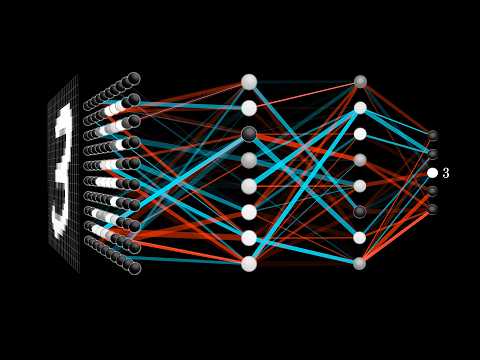
So, how do these neural networks actually work? Well, they consist of layers of interconnected nodes called neurons. Each neuron takes in some input, does a little math magic (we call it “activation”), and then passes its output to the next layer. As data flows through these layers, the network tweaks itself based on how well it’s doing at recognizing patterns.
The cool part? Neural networks can be super powerful in real-world applications:
- Medical Diagnosis: They help doctors analyze medical images like X-rays or MRIs and can even detect diseases such as cancer much earlier than we could before.
- Autonomous Vehicles: These systems are trained to recognize road signs, pedestrians, and obstacles so self-driving cars can navigate safely.
- Spam Detection: Email services use them to filter out junk mail by recognizing patterns that distinguish spam from legitimate messages.
- Image Classification: Platforms like Instagram use neural networks to tag photos automatically based on what they see in them.
I remember a moment when I was testing an app that uses neural networks for facial recognition. I took pictures with different expressions—a big smile here, a pouty face there—and it correctly identified me every single time! It was almost magical how this tech learned all those subtle differences.
The applications go beyond just recognizing faces or objects; they also extend into predictive analytics. For example, businesses analyze customer behavior patterns to predict future buying trends. Pretty smart move if you ask me!
You might wonder about limitations too—like biases in training data that lead to skewed results or the need for vast amounts of information for training purposes. Addressing these issues is crucial for ensuring fairness and reliability in outcomes.
If you think about it more broadly, pattern recognition through neural networks is changing how we interact with technology daily—shaping everything from healthcare decisions to our online experiences!
In essence, neural networks have opened doors we didn’t even know existed before—making pattern recognition an exciting field that gets more intriguing every day!
Understanding Pattern Recognition in Neural Networks: Key Concepts and Applications in Science
Alright, let’s chat about pattern recognition in neural networks. It’s a super cool topic that combines brainy ideas from computer science and neuroscience. So, what’s the deal? Well, basically, pattern recognition is like how humans spot faces in a crowd or recognize tunes you’ve heard before. For computers, it means teaching them to recognize and categorize data—like images, sounds, or even text.
Neural networks are inspired by how our brains work—kind of like a digital brain. They consist of layers of interconnected nodes that process information. When you feed data into these networks, they learn to identify patterns through something called weights and biases.
So here are some key points about how this all works:
- Input Layer: This is where your data enters the network.
- Hidden Layers: These layers do most of the heavy lifting! They analyze the data through complex transformations.
- Output Layer: Finally, this layer gives you the results—like saying “Hey! That’s a cat!”
Now let’s get real for a second. I remember teaching my little cousin how to use an app that could identify plants just by taking a picture. At first, she was amazed when it recognized her favorite flower right away! Behind that magic was a neural network churning through lots of data about different plant species.
In terms of applications, these networks are being used everywhere.
- Image Recognition: Think social media tagging or even security cameras identifying faces!
- Speech Recognition: Ever used Siri or Alexa? Yup, neural networks help them understand your voice.
- Medical Diagnosis: They assist doctors in identifying diseases from scans faster than ever!
But it’s not all sunshine and rainbows; there are also challenges. Sometimes they can be biased if they’re trained on skewed data sets. This kind of thing can lead to inaccurate predictions.
Another area to think about is “overfitting.” It happens when the model learns too much from training data and can’t handle new stuff well—kind of like cramming for an exam but forgetting everything afterward!
Overall, while we’re still figuring out all its potential—and navigating some bumps along the way—neural networks provide powerful tools for recognizing patterns and helping us make sense of complex information in science and beyond. So keep your eyes peeled; this field is evolving fast!
Exploring the Applications of Pattern Recognition in Modern Scientific Research
Pattern recognition is like having a superpower in the world of science. It’s all about identifying and classifying data patterns, which helps researchers make sense of the massive amounts of information we generate every day. Think of it as training your brain to spot a familiar face in a crowd or recognizing your favorite song after just a few notes. Cool, right?
Now, if we zoom into the world of neural networks, things get even more interesting. These are computational models inspired by how our brains work. They’re designed to learn from data, making them perfect for pattern recognition tasks. Neural networks can take complex inputs—like images or sounds—and break them down into patterns that you can analyze and understand.
So, how exactly are these neural networks applied in modern scientific research? Let’s check out some key areas:
- Medical Diagnosis: One huge application is in healthcare. Neural networks analyze medical images like X-rays or MRIs to detect anomalies such as tumors. Imagine a doctor being able to catch something that might be missed during a manual examination!
- Climate Science: Researchers use pattern recognition to predict weather changes and climate patterns by analyzing vast amounts of environmental data. This helps in understanding climate change impacts better.
- Natural Language Processing: Ever noticed how your phone understands what you say? That’s pattern recognition at work! Neural networks are used to develop chatbots and translate languages by recognizing patterns in text.
- Astronomy: Scientists utilize these techniques to identify celestial bodies and phenomena from images taken by telescopes. For example, neural networks can help discover new planets by recognizing their signatures among stars.
You know what’s fascinating? The effectiveness of these neural networks often relies on training data. Just like you wouldn’t expect a child to learn math without practice, neural networks need lots of examples to improve their accuracy. The more diverse the training set, the better they perform.
However, it’s not all sunshine and rainbows! One challenge is dealing with bias. If the training data isn’t representative or has flaws, the model can produce skewed results—like misidentifying or missing critical information. That’s why researchers put so much effort into cleaning up their datasets before using them.
Another thing worth mentioning is how fast technology evolves! With improvements in computing power and algorithms, we’re constantly seeing enhanced capabilities in pattern recognition through neural networks. Old models get updated or replaced with new ones that can recognize even more complex patterns.
In short, exploring applications of pattern recognition through neural networks opens doors across various scientific fields—from healthcare advancements to tackling climate change and beyond! It’s an exciting time when combining tech with human curiosity leads us down incredible paths of discovery.
You know, neural networks are pretty fascinating stuff. Like, they’re not just a bunch of fancy math; they’re actually inspired by how our own brains work. When I first learned about them, I was kind of blown away. I mean, thinking that machines can learn to recognize patterns like we do is a bit mind-boggling, right?
Imagine you’re trying to teach a kid to see the difference between cats and dogs. At first, they’d probably struggle and think all furry creatures are the same. But with time and enough examples—like showing them tons of pictures—they start picking up on the subtle differences: the shape of their ears, the length of their tails, or even how they act. That’s kinda what neural networks do! They take a load of data and figure out the patterns without needing someone to tell them exactly what to look for.
In practical terms, these networks are everywhere now! They help us in so many ways—from self-driving cars recognizing pedestrians to apps that recommend your next favorite song based on what you already love. You know that feeling when Netflix suggests something so good you can’t believe you didn’t find it yourself? Yep, that’s some serious pattern recognition magic at play.
But it’s not all sunshine and rainbows. There’s this ethical side we have to think about too! Like when facial recognition technology gets it wrong or becomes biased because it wasn’t trained on diverse enough data sets—yikes, right? It makes you wonder about accountability in tech and who’s behind the curtain.
One time I was at this art exhibit filled with pieces created by AI using neural networks. It felt surreal seeing these “paintings” that had been made by machines learning from existing art styles. Some were absolutely stunning! But then I thought: Can something created without human emotion really be art? It kind of made me ponder where creativity starts and ends—in us or in the code?
So yeah, neural networks are really reshaping how we interact with technology day by day. Whether it’s spotting trends or creating innovative solutions in healthcare or finance, their potential seems pretty limitless—if navigated carefully. The journey ahead feels like an adventure, mixing excitement with caution about where these powerful tools might take us next!