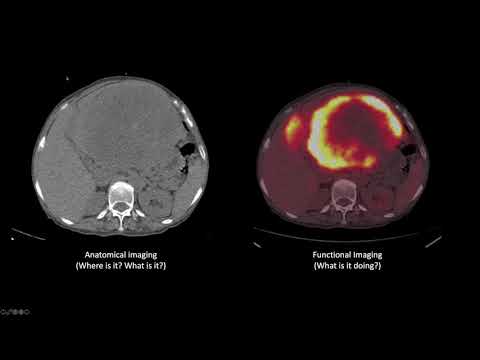
You know, when I was a kid, I used to think nuclear medicine meant doctors using tiny bombs to treat patients. How silly is that? But it turns out, it’s all about using radioactive substances to help diagnose and treat diseases.
Pretty wild, right? Imagine having a special camera that shows the inside of your body, light up like a Christmas tree. That’s what these techniques can do!
So here we are in modern healthcare, and nuclear medicine is quietly making waves. It’s not just about scans and imaging; it helps with treatment too.
Let’s take a closer look at how this science works its magic and why it’s such a big deal in keeping us healthy today.
Exploring the Benefits of Nuclear Medicine: Advancements in Medical Science and Patient Care
Nuclear medicine is like having a superhero cape for doctors, using tiny bits of radioactive material to help diagnose and treat all sorts of diseases. It’s pretty cool stuff. You might be wondering, how does this even work? Well, let me break it down for you!
First off, the core idea behind nuclear medicine is using radioactive isotopes. These are like special markers that can help visualize what’s going on inside your body. Picture them as little spies! When introduced into the body, they emit radiation that can be detected by a machine called a gamma camera. This camera captures images of the internal organs and tissues. Pretty neat, huh?
You might think it sounds dangerous to have something radioactive in your body. But don’t worry! The amount used is super small and monitored closely. Doctors balance the benefits with any risks involved. That’s just like when you decide whether to eat that extra slice of cake—sometimes it’s worth it!
Now let’s talk about some benefits of this technology:
- Early Detection: Nuclear medicine can catch diseases early on, which is crucial for conditions like cancer or heart disease. Imagine knowing there’s a problem before it gets out of hand!
- Treatment Options: It’s not just for diagnosis; some therapies use radioactive substances to target harmful cells directly. For example, certain types of thyroid cancer can be treated with iodine-131.
- Painless Procedures: Most nuclear medicine tests are pretty non-invasive compared to other methods like surgeries or biopsies.
- Real-Time Imaging: Unlike traditional imaging methods (like X-rays), nuclear medicine offers dynamic insights about how organs function over time.
I remember when my uncle had to go through a nuclear scan for his heart health. He was nervous at first, but once he learned more about how safe it was and how helpful it could be, he felt better. Watching him get those results — seeing his doctor explain everything clearly — was a reminder of just how important this field is.
Another interesting aspect is that nuclear medicine isn’t limited to just one specialty; it has expanded into various fields such as neurology and orthopedics too! For instance, brain scans using PET (positron emission tomography) help understand conditions like Alzheimer’s disease by showing areas where brain functions may not be normal.
With advancements in technology, things are continually improving too! Newer imaging techniques and more targeted therapies are making treatments even more effective while minimizing side effects.
So next time you hear about nuclear medicine, don’t shy away from the idea! It’s truly an important part of modern healthcare — combining physics with patient care could lead to better survival rates and overall health outcomes.
In short: nuclear medicine combines science with compassion in ways that save lives daily. That’s something we should all keep an eye on!
Comprehensive Guide to Nuclear Medicine: Downloadable PDF Resources and Insights
Nuclear medicine is seriously fascinating, and it plays a crucial role in modern healthcare. It involves using small amounts of radioactive materials to diagnose or treat various diseases. So, let’s break down what nuclear medicine really is and how it fits into the healthcare puzzle.
First off, you might be wondering about the basics of nuclear medicine physics. This field combines concepts from both physics and medicine. It revolves around how radiation interacts with matter to create images or treat conditions within the body. That’s where radioactive isotopes come in. These are unstable atoms that release radiation as they decay, and they can be used for imaging or therapy.
One of the most common uses of nuclear medicine is diagnostic imaging. This includes techniques like positron emission tomography (PET) scans. In a PET scan, a patient receives a small amount of radioactive glucose. Since cancer cells often consume more glucose than normal cells, this can help doctors spot tumors. It’s wild how something so tiny can have such big implications, right?
When we talk about therapy in nuclear medicine, we often think about radioiodine therapy, especially for conditions like hyperthyroidism or thyroid cancer. Here’s how it works: patients ingest radioactive iodine, which gets absorbed by the thyroid gland and helps destroy cancerous cells while sparing healthy tissue. It’s pretty cool that atomic particles help fight against disease in such a targeted way!
You may also stumble upon resources and downloadable PDFs about nuclear medicine online. These documents are typically packed with insights into the latest advancements in technology, patient care protocols, and even safety procedures related to handling radioactive materials. They’re great for healthcare professionals looking to stay updated.
But let’s not forget about safety! With all those fancy techy tools at play, regulations are super important to keep patients safe from unnecessary radiation exposure—basically ensuring that benefits outweigh any risks involved.
If you’re looking into further info on this topic, you’ll find loads of research articles and clinical guidelines written by experts in the field; these are just full of data on efficacy and best practices that make nuclear medicine an essential part of modern healthcare systems worldwide.
So yeah, nuclear medicine isn’t just some obscure science—it’s a vibrant area that has real impacts on patient care. Whether it’s diagnosing diseases or providing treatment options, having an understanding of its principles can really help appreciate its role in contemporary medical practice!
Understanding Nuclear Medicine: Principles, Applications, and Mechanisms in Medical Science
Nuclear medicine is pretty interesting, you know? It’s all about using radioactive substances to diagnose and treat diseases. So, let’s break this down into some key parts.
Principles of Nuclear Medicine
Basically, nuclear medicine works on the idea that radioactive materials can be used as tracers in the body. You see, when these materials get inside your body, they emit radiation. Doctors can then use special cameras to detect this radiation and see how organs and tissues are functioning.
For instance, let’s say a doctor wants to check how well your thyroid gland is working. They might give you a tiny amount of radioactive iodine. As it gets absorbed by the thyroid, it gives off signals that doctors can pick up with imaging technology.
Applications in Healthcare
There are tons of uses for nuclear medicine! Here are a few:
- Disease Diagnosis: Think cancer or heart disease. PET scans are a common type of nuclear medicine imaging that helps detect tumors by showing how different parts of the body metabolize glucose.
- Treatment: Radioactive iodine isn’t just for diagnosis; it can actually treat thyroid cancer too! The iodine selectively destroys cancerous thyroid cells while sparing healthy ones.
- Pain Relief: In cases like bone cancer, radioactive substances can help alleviate pain by targeting specific areas where the cancer has spread.
It’s important to realize that this isn’t just about catching bad stuff; it’s also about monitoring treatment effectiveness over time through follow-up scans.
Mechanisms at Play
So how does all this work on a deeper level? Well, when you ingest those radioactive materials, they go through decay processes—basically breaking down over time and releasing energy. This energy turns into radiation we can detect.
The emitted radiation interacts with our body’s tissues in different ways depending on what we administered. For example, gamma rays are super useful because they pass right through your body without much interaction—perfect for imaging!
Also note that not all radioisotopes behave the same way; some have short half-lives meaning they decay quickly which is great for minimizing exposure risk.
Safety Considerations
You might be thinking: “Wait… isn’t radiation dangerous?” And sure, it has its risks. But in medical settings, doses are carefully controlled and monitored because the benefits often outweigh potential harm. Plus, advancements in technology keep making procedures safer!
Think back to my earlier example—when you take that radioactive iodine for your thyroid test or treatment; it’s such a small dose! Most people tolerate it quite well with minimal side effects.
In summary? Nuclear medicine is an incredible field within modern healthcare that combines physics with patient care in powerful ways! By understanding how these principles work together with applications and mechanisms at play—you get a clearer picture of its value today.
You know, when we think about medicine, we often picture doctors in white coats or maybe even a bustling hospital. But there’s this whole other layer to it—nuclear medicine. It’s one of those things that sounds super technical and complicated, yet it’s really fascinating and plays a huge role in modern healthcare.
I remember the first time I heard about nuclear medicine. It was during a college class, and the professor brought up how tiny amounts of radioactive materials can be used for diagnosing and treating diseases. At first, it kind of freaked me out. I mean, radioactive stuff? Isn’t that something you see in movies? But as I learned more, I discovered how essential it is for diagnosing conditions like cancer or heart disease.
Basically, nuclear medicine involves using radioactive substances that you can put into your body—like through an injection or swallowed as a pill. These substances emit gamma rays which can be detected by special cameras to see how your organs are functioning. Think about it: with just a small amount of this material, doctors can get a clear picture of what’s going on inside you without needing to do major surgery.
And the treatments! They’re like superheroes in the medical world. For certain types of cancer, for example, they use targeted radiation therapy to kill off cancer cells while sparing as much surrounding healthy tissue as possible. It’s pretty amazing when you realize how precise this approach can be.
Now, don’t get me wrong; there are challenges too—like ensuring safety and minimizing exposure to radiation. But advancements in technology are making these procedures safer and more effective all the time.
If you think about it, nuclear medicine blends physics and biology in such an extraordinary way. It’s not just numbers and theories; it’s real life changing stuff! When someone gets diagnosed early because of a scan or is treated successfully for cancer because doctors had precise information… well, that’s where the human side comes in and why it feels so vital.
So yeah, nuclear medicine physics might seem like this mysterious topic at first glance but peel back the layers just a bit and you’ll find it’s all about enhancing our health in remarkable ways. Who would’ve thought those fancy physicists have such an impact on saving lives? Crazy, right?